News
Rich project cases across industries, showing real implementation and proven technical strength.In modern industrial processing, the efficient and reliable handling of bulk materials remains a critical challenge, particularly when dealing with fine, abrasive, and cohesive powders such as coke powder. Coke powder, a byproduct of the petroleum refining and metallurgical industries, is widely used as a fuel source, a reducing agent in steelmaking, and a carbon additive in various manufacturing processes. However, its unique physical properties—low bulk density, high abrasiveness, and tendency to adhere to equipment surfaces—make conventional conveying methods prone to clogging, equipment wear, dust emissions, and high energy consumption. As global industries push toward higher automation, stricter environmental regulations, and greater operational efficiency, the demand for a specialized, flexible coke powder pneumatic conveying equipment system solution has never been more pressing. headpowder, with over a decade of focused research and field application in powder handling technologies, has developed a comprehensive system that addresses these specific challenges. This article provides an in-depth analysis of the technical principles, system architecture, key component selection, and practical implementation strategies for a flexible pneumatic conveying solution tailored to coke powder. By integrating advanced gas-solid flow control, wear-resistant materials, and intelligent automation, headpowder's approach not only ensures stable and continuous material transfer but also minimizes maintenance downtime and environmental impact. Whether you are upgrading an existing plant or designing a new production line, understanding the nuances of such a system is essential for optimizing throughput, reducing total cost of ownership, and meeting compliance standards in a rapidly evolving market.
Coke powder is not a homogeneous material; its particle size distribution typically ranges from fine dust (below 50 microns) to coarse granules (up to 3 mm), with irregular shapes and sharp edges. This morphology leads to high internal friction and interlocking between particles, making it prone to bridging and rat-holing in hoppers. Moreover, coke powder has a moderate moisture content (usually 2%–8%), which can cause caking and adhesion to pipeline walls, especially under pressure variations. The abrasive nature of coke powder accelerates wear on pipe bends, valves, and blower components, often resulting in frequent part replacements. Traditional mechanical conveyors like belt elevators, screw conveyors, or bucket elevators suffer from material degradation, dust leakage, and high maintenance costs. Pneumatic conveying, which uses air or inert gas to transport solids through pipes, offers a more enclosed and flexible alternative. However, standard dilute-phase or dense-phase systems often fail to handle the variable flow characteristics of coke powder without significant adjustments. headpowder has therefore engineered a flexible solution that adapts to real-time material conditions, ensuring consistent performance even when feedstock properties fluctuate. The system's modular design allows for easy integration with existing storage, feeding, and downstream equipment, while its software-driven controls optimize air-to-material ratios, reducing energy waste by up to 25% compared to fixed-rate systems.
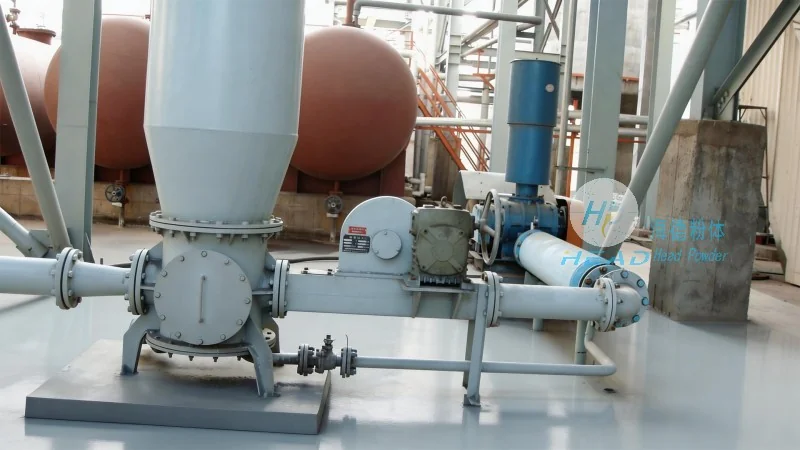
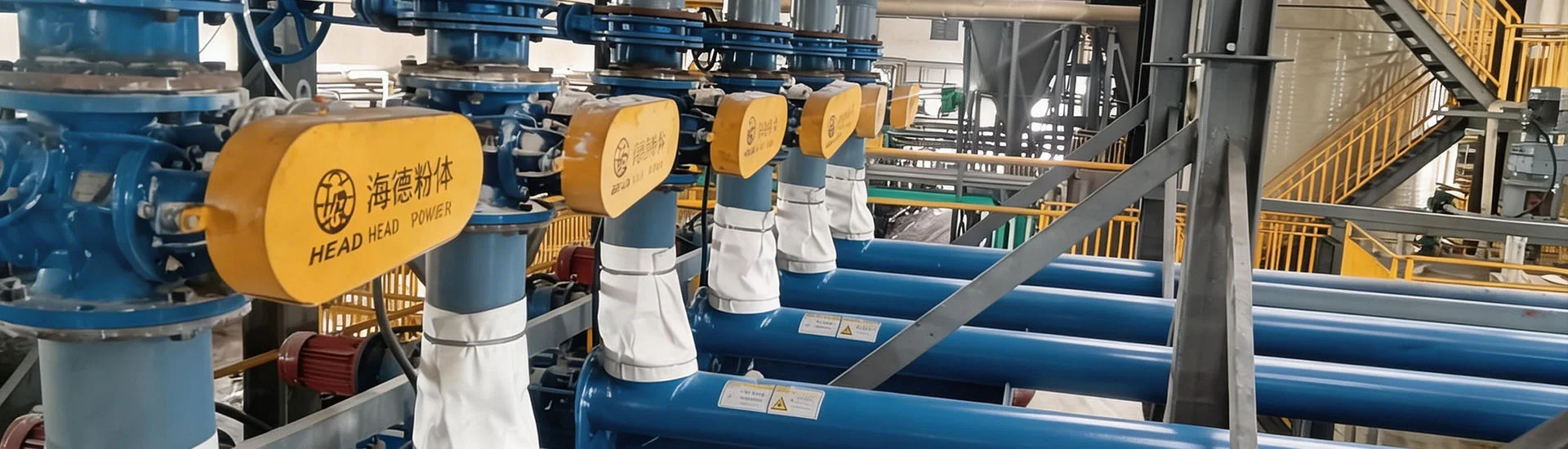
A complete flexible coke powder pneumatic conveying equipment system solution comprises several key subsystems: material feeding, air supply, conveying pipeline, separation and filtration, and control automation. Each component must be carefully selected and matched to the specific density, particle size, and abrasiveness of the coke powder. headpowder's standard architecture begins with a variable-speed rotary valve feeder that meters material from a hopper into the conveying line. The feeder design incorporates a hardened rotor and replaceable wear sleeves to withstand erosion. Downstream, a positive displacement blower or a multi-stage centrifugal air compressor provides the motive air, with pressure typically maintained between 0.5 and 2.5 bar depending on the conveying distance and elevation. The conveying pipeline is constructed from heavy-duty steel with a minimum wall thickness of 6 mm, and all bends are fitted with replaceable ceramic tiles or induction-hardened inserts to extend service life to over 20,000 operating hours. At the receiving end, a high-efficiency cyclone separator and a pulse-jet bag filter separate the solid product from the conveying air, achieving collection efficiencies above 99.95%. The filtered air is then recirculated or released to the atmosphere through a silencing system. headpowder's solution also includes a dense-phase conveying mode for longer distances or when material degradation must be minimized. In dense-phase mode, air pulses push slugs of material through the line at lower velocities (3–8 m/s), reducing wear and dust generation substantially.
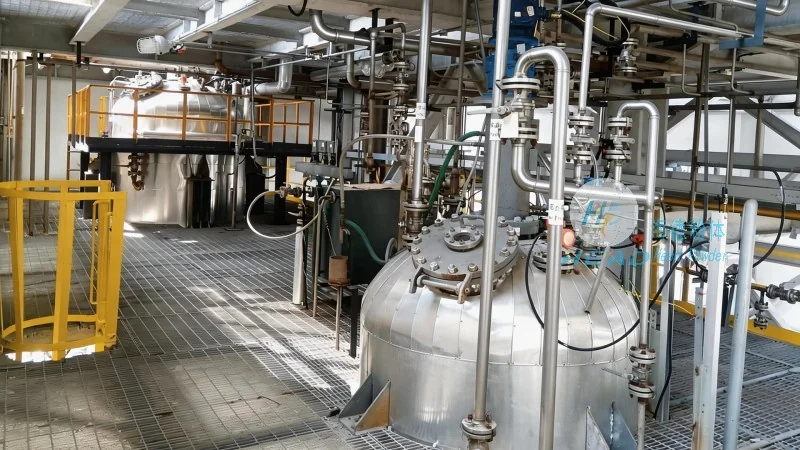
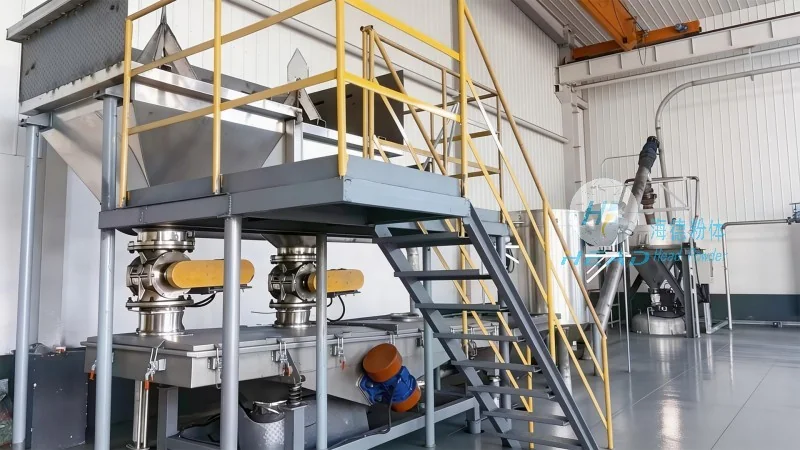
Designing a successful coke powder conveying system requires precise calculation of several critical parameters. The conveying capacity, typically expressed in tons per hour (t/h), determines the pipe diameter, blower power, and feeder size. For coke powder with a bulk density of 0.6–1.1 g/cm³, headpowder recommends a conveying velocity between 8 and 20 m/s for dilute-phase systems, and 2–6 m/s for dense-phase systems. The ratio of solid to air (loading ratio) is another decisive factor: for short distances (less than 50 meters), a loading ratio of 10–15 kg solids per kg air is achievable, while for longer runs (200 meters or more), the ratio drops to 3–8. The pressure drop across the system must be calculated using the Darcy-Weisbach equation and empirical friction factors specific to powder flow. headpowder's engineering team uses proprietary simulation software that incorporates real-world coke powder characteristics—including Hausner ratio, angle of repose, and compressibility—to predict performance with an accuracy of ±3%. Additionally, the system must account for altitude and ambient temperature variations, which affect air density and compressor efficiency. For example, at an altitude of 1,500 meters, the air mass flow rate decreases by roughly 15%, requiring a corresponding increase in volumetric flow to maintain the same conveying capacity. Headpowder provides all sizing data in a comprehensive technical report during the design phase, enabling customers to verify performance under their specific site conditions.
Given the highly abrasive nature of coke powder, wear protection is not an accessory—it is a fundamental requirement. headpowder integrates multiple layers of defense against erosion. Pipe straight sections are fabricated from abrasion-resistant steel (AR400 or higher), while all elbows and T-junctions employ replaceable ceramic inserts made of alumina (Al₂O₃) with 92%–99% purity. These ceramic components can increase wear life by 5 to 8 times compared to standard carbon steel. For rotary valves, the rotor blades are coated with tungsten carbide via high-velocity oxygen fuel (HVOF) spraying, and the housing is lined with replaceable wear plates. The system also includes a proprietary "slow-down" section before the cyclone separator, where the pipe diameter gradually increases to reduce air velocity before the stream enters the separation stage, thereby minimizing impact erosion on the filter screens. headpowder recommends scheduled inspections every 2,000 operating hours—visual checks for pipe thinning, ultrasonic thickness measurements at critical bends, and pressure integrity tests of the entire pipeline. With proper maintenance, the major components of a headpowder system typically exceed 15 years of service life, even in continuous 24/7 operation. In one documented installation for a steel plant in Hebei province, the system conveyed 35 t/h of petroleum coke powder over a distance of 180 meters with only one pipe section replacement required during the first five years.
Modern industrial operations demand more than mechanical reliability; they require intelligent control that can adapt to changing process conditions. headpowder's flexible system solution features a PLC-based control panel with a human-machine interface (HMI) that displays real-time parameters such as air flow rate, material flow rate, pipeline pressure, temperature, and motor current. Advanced algorithms continuously adjust the rotary valve speed and the air compressor output to maintain the optimal solid-air ratio. For instance, if a temporary increase in material moisture content causes the coke powder to become stickier, the system automatically reduces the feeding rate and increases the conveying velocity to prevent blockages. The controller also logs historical data, enabling trend analysis and predictive maintenance. An optional remote monitoring module allows plant managers or headpowder's support team to access system status via a secure cloud platform, receiving alerts for abnormal conditions such as pressure surges or filter clogging. This level of automation reduces operator intervention by more than 60% and minimizes unplanned downtime. Furthermore, the system can interface with plant-wide distributed control systems (DCS) using common protocols like Modbus TCP or Profibus, making it a seamless part of Industry 4.0 initiatives.
Stringent global regulations, including the EU's Industrial Emissions Directive (IED) and China's GB 16297-2026 standards, mandate that dust emissions from coke powder handling must not exceed 10 mg/Nm³. headpowder's solution achieves compliance through a multi-stage filtration design. The primary cyclone removes approximately 90% of particles larger than 10 microns, while the secondary pulse-jet bag filter captures submicron dust with filtration efficiency above 99.997%. Each filter bag is made from antistatic polyester felt with a PTFE membrane to prevent clogging from fine coke dust. The cleaning cycle is triggered by differential pressure sensors, and the compressed air pulses are timed to minimize compressed air consumption. All flanged connections in the system are sealed with gaskets rated for positive pressure, and the rotary valve incorporates a pressurized sealing air feature that prevents any dust leakage through the shaft. When the system operates in dense-phase mode, the low air velocity inside the pipe further reduces both internal abrasion and external noise levels to below 75 dB(A) at one meter distance. headpowder also offers an optional nitrogen inerting package for applications where explosion prevention is required, as coke powder can form explosive dust clouds under certain conditions. The inert gas monitoring system maintains oxygen concentration below 8% throughout the conveying line.
To illustrate the real-world effectiveness of headpowder's approach, consider the retrofit project at a large carbon black manufacturing facility in Shandong Province. The original pneumatic system used a fixed dilute-phase design with a manually adjusted blower, resulting in frequent blockages (three to five times per week) and pipe wear that required bend replacement every six months. After switching to headpowder's flexible solution—with a conveying capacity of 28 t/h over 220 meters—blockages dropped to fewer than two per year. The new system's ceramic-lined bends have been in service for over 30 months without failure. The plant also reported a 22% reduction in energy consumption due to the optimized air-to-material ratio, saving approximately CNY 680,000 annually in electricity costs. The automated control system allowed operators to manage the process from a central control room, reducing labor requirements by two people per shift. Furthermore, dust emissions fell from an average of 18 mg/Nm³ to 6 mg/Nm³, easily meeting local environmental permits. This case demonstrates how a properly engineered flexible pneumatic conveying system can transform operational efficiency, reliability, and sustainability.
When investing in a specialized coke powder conveying system, the depth of engineering experience and after-sales support makes a material difference. headpowder has been dedicated to pneumatic conveying technology since 2012, with over 500 successful installations across the petrochemical, metallurgical, and building materials sectors. Our team includes mechanical engineers with backgrounds in fluid dynamics, material science, and process automation, ensuring that each solution is tailored rather than generic. We maintain a testing lab with a pilot-scale conveying loop that can handle up to 5 t/h of coke powder, allowing clients to validate system performance with their own material samples before fabrication. Our quality management system is certified to ISO 9001:2023, and all pressure vessels and piping comply with ASME B31.3 and GB 150 standards. headpowder provides a standard warranty of 24 months, with extended service agreements available for critical applications. For any inquiries or to request a preliminary system feasibility study, please contact our engineering team at the dedicated technical hotline: 156-6277-7102. We welcome discussions on your specific material properties, site layout, and capacity requirements to propose the most cost-effective and reliable solution.
Looking ahead to 2026 and beyond, the pneumatic conveying industry is moving toward greater digitization. headpowder is already developing a digital twin platform that mirrors the physical system in real time, using data from sensors and historical runs to predict wear patterns, optimize cleaning cycles, and simulate new operating scenarios without interrupting production. Machine learning models trained on thousands of hours of coke powder conveying data can predict blockages with 95% accuracy up to 15 minutes before they occur, giving operators time to adjust parameters proactively. The integration of such technologies will further reduce total cost of ownership by extending component life and minimizing unplanned downtime. For plants aiming to achieve zero-carbon targets, headpowder is also exploring low-pressure conveying modes powered by renewable energy sources, combined with advanced heat recovery from compressor exhausts. As these innovations mature, flexible pneumatic conveying systems will become even more adaptable, intelligent, and environmentally friendly.
In summary, the selection and implementation of a flexible coke powder pneumatic conveying equipment system solution is a strategic decision that influences production reliability, operating costs, regulatory compliance, and long-term competitiveness. headpowder's proven methodology—grounded in rigorous engineering, customized component selection, smart automation, and comprehensive lifecycle support—provides a dependable path forward. By prioritizing material-specific design and leveraging decades of field data, we help our clients overcome the inherent difficulties of handling coke powder while unlocking greater efficiency and sustainability. We encourage plant engineers and decision-makers to engage with us early in the project planning stage to ensure that the conveying system becomes an asset rather than a bottleneck.

 Shandong headpowder Engineering Co., Ltd.
 156-6277-7102(Manager Zhang)
  0531-83386006
  Jinan City, Shandong Province, China
服务热线
微信咨询
回到顶部