News
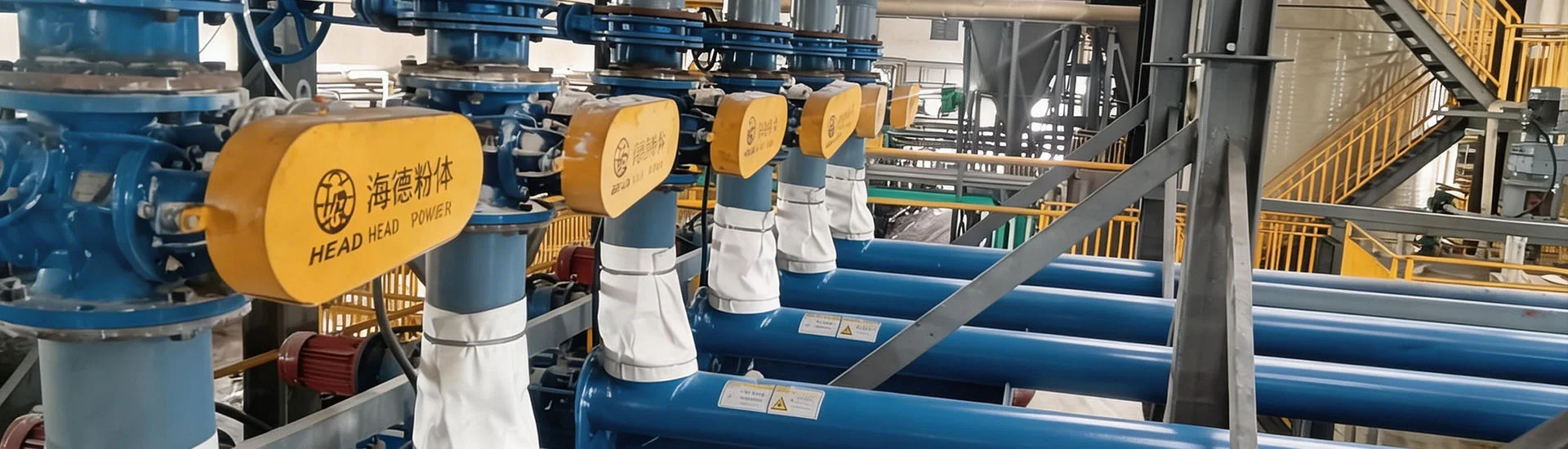
Rich project cases across industries, showing real implementation and proven technical strength.Magnesium oxide powder, commonly referred to as magnesia, is a high-value industrial material widely used in refractory manufacturing, chemical processing, environmental remediation, agricultural feed supplements, and pharmaceutical applications. The material's physical characteristics—including its fine particle size, high bulk density, hygroscopic nature, and moderate abrasiveness—pose unique challenges for material handling. Designing an effective pneumatic conveying system for magnesium oxide powder requires a deep understanding of these properties, as well as the operational constraints of the end-user’s facility. A well-engineered system not only ensures consistent throughput but also minimizes degradation, dust emissions, and maintenance downtime.
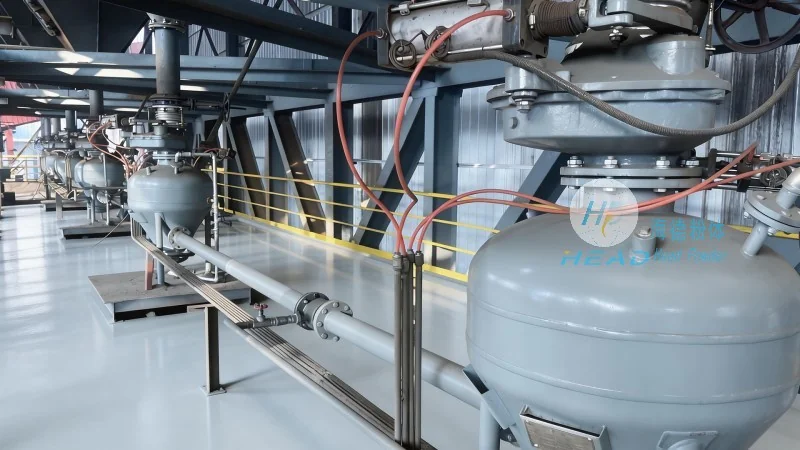
In recent years, the global magnesia market has experienced steady growth, driven by increasing demand from the steel and cement industries, where high-grade refractory materials are essential. According to industry projections for 2026, the market volume for magnesium oxide across all grades is expected to exceed 28 million metric tons, with a compound annual growth rate (CAGR) of approximately 3.5%. This growth places pressure on processing plants to enhance their material handling efficiency. Pneumatic conveying systems have become the preferred solution for transferring magnesium oxide powder due to their enclosed, dust-free operation, flexibility in routing, and ability to integrate with automated batching and weighing systems. However, not all pneumatic systems perform equally with magnesia. The selection of conveying method—dense phase versus dilute phase, pressure versus vacuum—must be carefully matched to the specific grade of magnesium oxide, its moisture content, and the required conveying distance.
Headpowder, as a specialized provider of bulk material handling solutions, has accumulated extensive field experience in designing and commissioning pneumatic conveying systems for magnesium oxide powder across multiple industries. Our engineering approach starts with a thorough analysis of material properties, including particle size distribution, angle of repose, compressibility, and flowability. We then simulate the conveying behavior under various air velocities and pressure conditions using proprietary software, ensuring the system operates within safe and efficient parameters. This technical rigor allows us to deliver solutions that reduce energy consumption, eliminate plugging risks, and achieve conveying rates of up to 30 tons per hour over distances exceeding 200 meters. By prioritizing reliability and minimal product degradation, Headpowder helps clients maintain consistent production quality while lowering total cost of ownership.
Magnesium oxide powder is available in several grades, ranging from light-burned (caustic calcined) to dead-burned (sintered) magnesia, each with distinct handling characteristics. Light-burned magnesia, with a particle size often below 75 microns, exhibits high surface area and can become electrostatic, leading to adhesion on pipe walls and filter bags. Dead-burned magnesia, while coarser and denser, tends to be more abrasive, accelerating wear in elbows and diverter valves. Additionally, moisture absorption is a critical concern: even a small increase in moisture content (above 0.5%) can cause caking and bridging in hoppers, reducing flowability and causing blockages in conveying lines.
Another challenge is the material’s relatively high bulk density, typically ranging from 0.8 to 1.2 g/cm³ for light-burned grades and up to 3.0 g/cm³ for fused magnesia. This density influences the required air-to-material ratio and the design of the conveying system’s roots blower or compressor. If the system is undersized, the powder may settle in horizontal pipe sections, leading to saltation and eventually complete blockage. Conversely, excessive air velocity can cause particle attrition, generating fine dust that complicates filtration and reduces product yield. Balancing these factors demands precise engineering and a willingness to test actual material samples before finalizing system design.
The industry standard for pneumatic conveying of magnesia powder typically adopts dense phase conveying systems operating at low velocities (2–8 m/s) and high material-to-air ratios. This approach minimizes wear and particle degradation while reducing air consumption by 30–50% compared to dilute phase systems. However, dense phase conveying requires careful selection of pipeline diameter, bend geometry, and air injection points. For example, using long-radius bends (R/D ratio of 10 or higher) significantly reduces erosive wear and extends pipeline life. Headpowder’s design methodology incorporates these considerations through computational fluid dynamics (CFD) analysis and empirical correlation based on more than 200 installed systems, providing clients with robust performance guarantees.
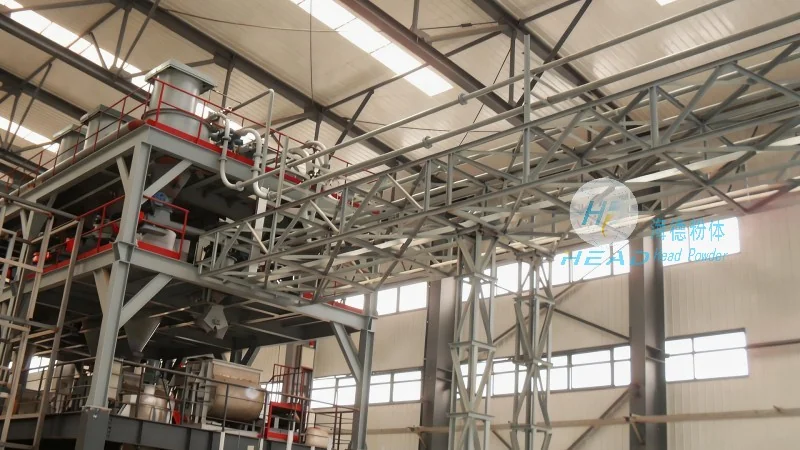
When designing a pneumatic conveying system for magnesium oxide powder, the first decision is the choice between pressure (positive) and vacuum (negative) systems. Pressure systems are generally preferred for long-distance conveying (over 50 meters) and multiple discharge points, as they can maintain stable flow under higher backpressures. Vacuum systems, on the other hand, are ideal for drawing material from multiple sources into a central collection point, offering built-in dust containment and ease of cleaning. For most magnesia applications, a combination of vacuum pickup from storage silos followed by pressure conveying to process vessels provides optimal flexibility.
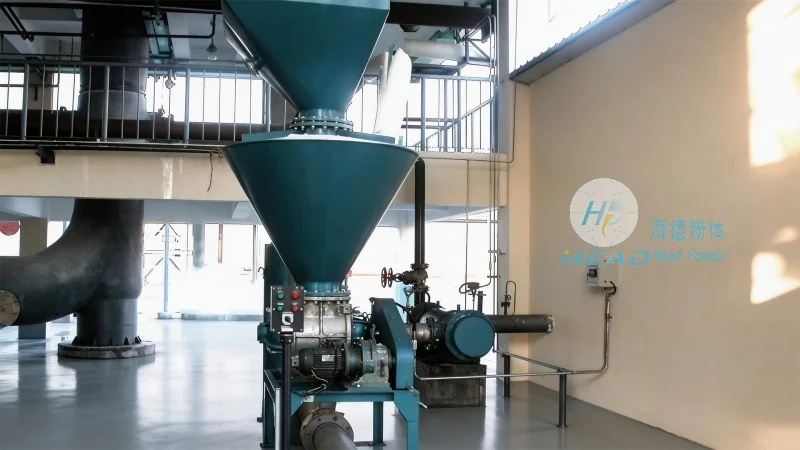
Key components that directly impact system reliability include the rotary airlock valve, the conveying pipeline, the air filtration unit, and the control system. The rotary airlock must be designed with a hardened rotor and close clearances to minimize air leakage while handling abrasive magnesia. Headpowder recommends using drop-through rotary valves with replaceable wear liners, which can be easily serviced without replacing the entire assembly. For pipelines, schedule 10 or schedule 40 carbon steel is commonly used for straight sections, but for bends and elbows, ceramic-lined or induction-hardened pipe sections are strongly advised to extend service life beyond 12 months under continuous operation.
Filtration is another critical aspect. Magnesium oxide fines can easily blind standard polyester filter bags if the air-to-cloth ratio exceeds 1.5 m³/m²/min. Pulse-jet cartridge filters equipped with PTFE membrane media offer superior cake release and pressure stability, reducing compressed air consumption for cleaning cycles. Headpowder integrates fully automated filter controllers that adjust pulse frequency based on differential pressure, ensuring consistent vacuum or pressure conditions throughout the conveying cycle. In high-moisture environments, trace heating or air-drying systems may be incorporated to prevent condensation within the filter housing, a common cause of media clogging in coastal or humid facilities.
Modern magnesium oxide processing plants require seamless integration between pneumatic conveying systems and upstream/downstream equipment such as silos, weigh hoppers, mixers, and packaging machines. Headpowder’s solutions include programmable logic controller (PLC) based automation that manages material flow, sequencing, and alarm handling. The control system can be configured for batch weighing, continuous feeding, or volumetric metering depending on the application. For example, in refractory production, accurate batching of dead-burned magnesia with other additives is essential for consistent product quality; a loss-in-weight feeder integrated with the pneumatic conveying line can achieve ±0.5% feeding accuracy.
Energy efficiency is a growing priority for plant operators, particularly as electricity costs rise globally. Headpowder employs variable frequency drives (VFDs) on all conveying blowers and exhaust fans, allowing the air velocity to be adjusted in real time based on material flow rate. This not only reduces energy consumption by 15–25% compared to fixed-speed systems but also minimizes product degradation by avoiding unnecessarily high air speeds. Additionally, the use of venturi eductors for vacuum generation eliminates the need for mechanical vacuum pumps in certain low-capacity applications, further reducing maintenance and capital costs.
Data collection and remote monitoring capabilities are increasingly requested by clients seeking to optimize operations. Headpowder offers an optional industrial IoT platform that tracks key performance indicators—such as conveying rate, specific air consumption, filter pressure drop, and equipment runtime—providing actionable insights for preventive maintenance. For instance, a sudden increase in differential pressure across the filter can indicate a failing cartridge or an unexpected change in material moisture, allowing the maintenance team to intervene before a production stoppage occurs. These digital solutions align with Industry 4.0 trends and help clients achieve higher overall equipment effectiveness (OEE).
Headpowder has successfully delivered more than 50 pneumatic conveying systems specifically for magnesium oxide powder applications across Asia, the Middle East, and Europe. One notable project involved a major steel industry refractories producer that required a system capable of conveying 25 tons per hour of light-burned magnesia over 180 meters from a railcar unloading station to a batching area. The material had a particle size of D50 = 45 µm and a moisture content averaging 0.3%. After initial material testing at Headpowder’s laboratory, a dense phase pressure system was designed with a 6-inch diameter pipeline, ceramic-lined elbows at all directional changes, and a 75 kW rotary screw blower with VFD control. The system achieved a material-to-air ratio of 18:1, delivering stable operation with less than 1% product breakage. Over two years of operation, the client reported zero unscheduled shutdowns related to the conveying system, validating the robust design.
In another case, a chemical plant processing agricultural-grade magnesium oxide needed a hygienic, dust-free solution for conveying 8 tons per hour to a packaging station. The existing dilute phase system had caused excessive dust emissions and frequent filter blockages. Headpowder replaced it with a vacuum dense phase system using a stainless steel pipeline (304 grade) for corrosion resistance, along with a self-cleaning cartridge filter equipped with HEPA-grade media. The new system reduced dust emissions by 97% and lowered compressed air consumption by 40%, meeting the plant’s stringent environmental compliance requirements. The client also benefited from a 30% reduction in maintenance labor hours, as the rotary valve and filter cartridges required only quarterly inspections.
These real-world examples demonstrate that successful pneumatic conveying of magnesium oxide powder depends on more than off-the-shelf components. It requires an integrated engineering approach that considers material properties, plant layout, operational constraints, and long-term reliability. Headpowder’s team of application engineers works closely with clients from the initial feasibility study through commissioning and after-sales support, ensuring that each system is optimized for its specific operating conditions. Our commitment to continuous improvement is reflected in our investment in research and development, including a dedicated test lab where clients can trial their materials before committing to equipment purchase.
The initial capital expenditure for a pneumatic conveying system can vary significantly based on capacity, conveying distance, material characteristics, and automation level. For a typical magnesium oxide system handling 10–20 tons per hour over 100–150 meters, the installed cost typically ranges from $150,000 to $400,000. However, the total cost of ownership over a 10-year period is heavily influenced by energy efficiency, maintenance frequency, and spare parts availability. A system that consumes 20% less electricity and requires filter cartridge replacement only once per year instead of twice can save a plant over $500,000 in operating costs, easily justifying a higher upfront investment in quality components.
When evaluating potential suppliers, plant managers should look for providers with demonstrated expertise in handling abrasive and hygroscopic powders, and a track record of supporting clients through commissioning and beyond. Headpowder offers a comprehensive warranty covering all manufactured components for 24 months, along with remote technical support and on-site service agreements. Our aftermarket parts inventory ensures that critical spares—such as rotary valve rotors, filter cartridges, and wear backings—are available for express shipment, minimizing downtime. Additionally, we provide training programs for plant operators and maintenance staff, covering operational procedures, troubleshooting guides, and safety protocols specific to magnesium oxide handling.
As the market for magnesium oxide continues to expand, driven by the growth of electric arc furnace steelmaking and advanced ceramics, the demand for reliable, efficient pneumatic conveying solutions will only increase. Investing in a properly designed system from an experienced partner like Headpowder ensures that your production line remains competitive, compliant with environmental regulations, and adaptable to future capacity expansions. Whether you are upgrading an existing facility or building a new greenfield plant, our engineering team is ready to support your project from concept to completion. For a detailed consultation or to arrange a material test, please contact our technical sales team. (咨询热线:156-6277-7102)

 Shandong headpowder Engineering Co., Ltd.
 156-6277-7102(Manager Zhang)
  0531-83386006
  Jinan City, Shandong Province, China
服务热线
微信咨询
回到顶部