News
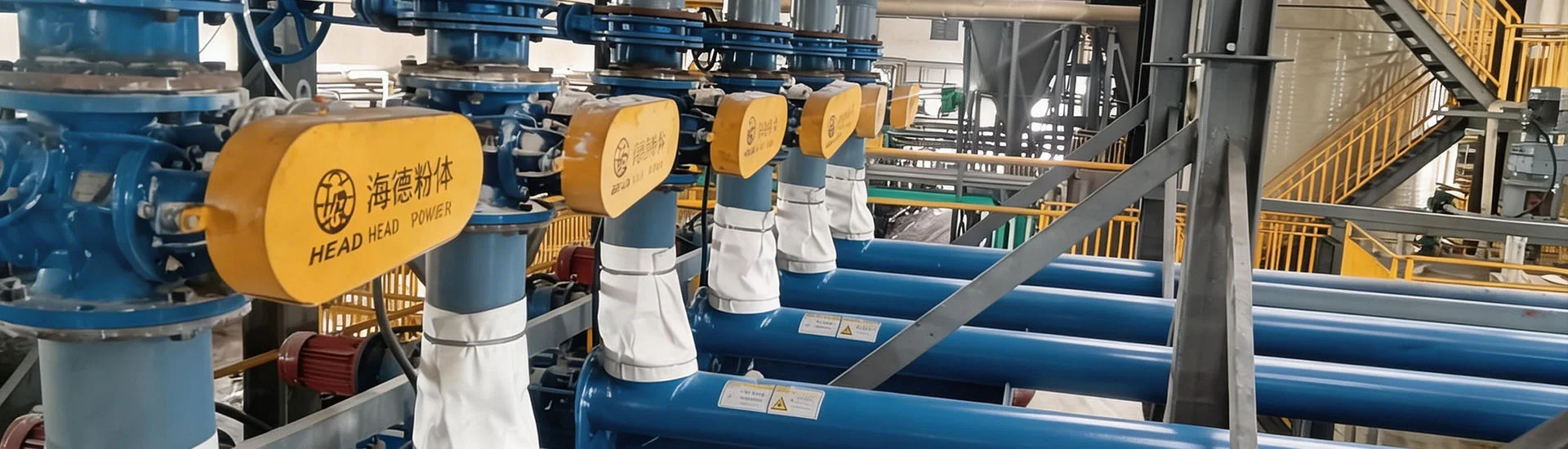
Rich project cases across industries, showing real implementation and proven technical strength.As global agricultural production scales up, the efficient handling of crop residues has become a critical link in the biomass supply chain. Corn straw, which accounts for a substantial portion of post-harvest residue in major grain-producing regions, presents both a resource opportunity and a logistical challenge. Traditional methods of transporting corn straw—such as manual baling, truck loading, and mechanical conveyor belts—often suffer from low efficiency, high labor costs, and significant material loss. In response, pneumatic conveying technology has emerged as a transformative solution, offering enclosed, dust-free, and continuous transport for corn straw from field to storage or processing facilities. This technology leverages compressed air to move straw particles or bales through a pipeline system, dramatically reducing labor dependence and improving throughput. For agricultural enterprises and biomass power plants, adopting pneumatic conveying means not only operational savings but also better control over feedstock quality and moisture content. Understanding the fundamentals, system configurations, and design parameters is essential for making informed investment decisions. This article provides a comprehensive technical overview of corn straw pneumatic conveying, covering working principles, system components, selection criteria, industry trends through 2026, and real-world application insights, with a focus on delivering actionable knowledge for engineers, farm managers, and plant operators.
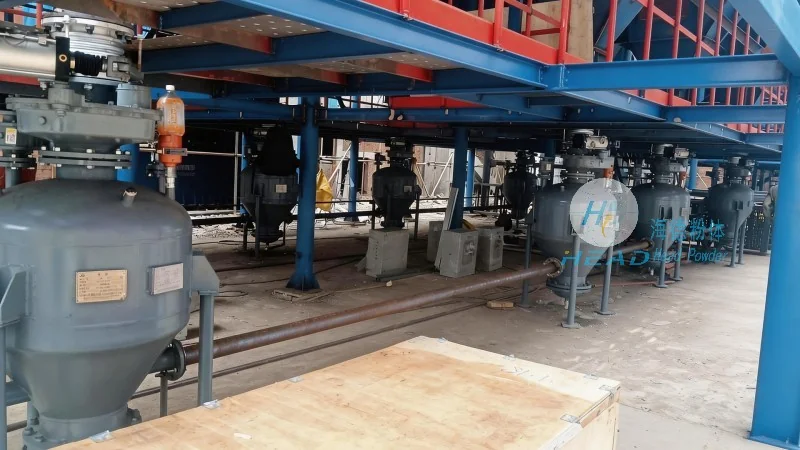
Corn straw is one of the most abundant agricultural residues worldwide, with annual generation exceeding 200 million tons in China alone, of which about 40% is not efficiently utilized. In many regions, corn straw is either burned in the field, causing air pollution, or left to decompose, representing a lost resource for bioenergy, animal bedding, and composite materials. The key barrier to effective utilization is the cost and difficulty of collection, transport, and feeding into downstream equipment. Corn straw has low bulk density—typically around 80–120 kg/m³ in loose form—which makes conventional conveying systems prone to bridging, dust generation, and high energy consumption. Pneumatic conveying overcomes these limitations by suspending straw particles in a high-velocity air stream, allowing for horizontal, vertical, or angled transport within a sealed system. The enclosed nature prevents fugitive dust, reduces fire risks, and maintains a cleaner working environment. Moreover, pneumatic systems can be integrated with automated controls, allowing for precise metering and blending with other materials. As environmental regulations tighten and labor costs rise globally, the shift toward mechanized, enclosed conveying for agricultural residues has accelerated. By 2026, the market for pneumatic conveying in the biomass sector is projected to grow at a compound annual rate of 6.8%, driven by increasing demand for pelletized fuel, biogas feedstocks, and straw-based construction panels. For any operation handling more than 5,000 tons of corn straw annually, pneumatic conveying is no longer an option but a competitive necessity.
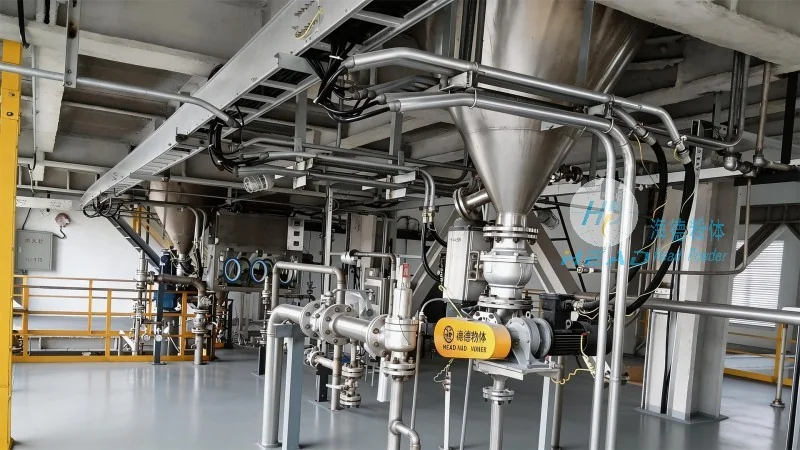
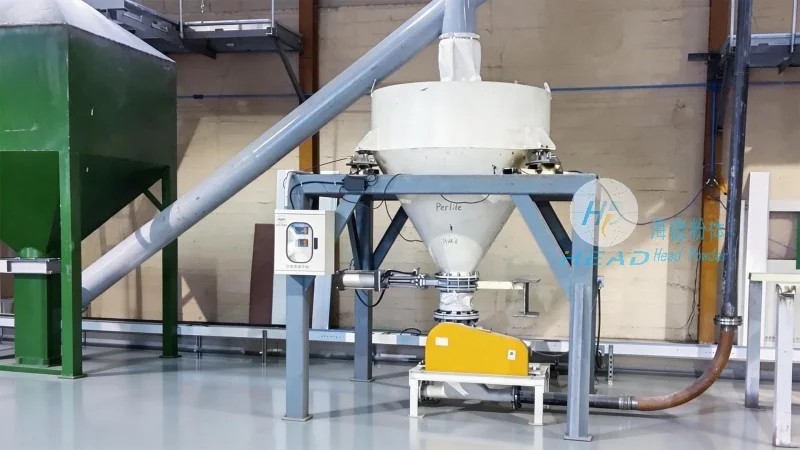
Pneumatic conveying operates on the principle of creating a pressure differential to move bulk solids through a pipeline. For corn straw, which is fibrous and irregular in shape, two primary modes are used: dilute phase and dense phase. In dilute phase conveying, the straw particles are fully suspended in the air stream at high velocity (typically 20–30 m/s) and low pressure (up to 1 bar). This mode is suitable for shorter distances (up to 200 meters) and for materials with low moisture content. Dilute phase systems are simpler and less expensive, but they can cause particle degradation and higher energy consumption due to the high air velocity. Dense phase conveying, on the other hand, operates at lower velocities (5–10 m/s) and higher pressures (2–6 bar), pushing the straw in slugs or plugs through the pipeline. This method is gentler on the material, reduces dust, and consumes less energy per ton conveyed, making it ideal for fragile or sticky materials like moist corn straw. The choice between the two depends on the straw’s moisture content, particle size distribution, and distance. For typical corn straw with moisture under 20%, dense phase conveying is recommended for distances over 100 meters, while dilute phase suffices for short, in-plant transfer. A properly designed system includes a rotary airlock feeder or a venturi eductor to introduce the straw into the pipeline, a blower or compressor to generate the air stream, a cyclone separator or bag filter at the discharge point, and control valves to regulate flow. The pipeline diameter, bend radius, and material of construction must also be carefully selected to minimize wear and clogging, as corn straw contains silica-rich particles that can cause abrasion.
A complete corn straw pneumatic conveying system comprises several core components, each with specific design considerations. The feeding device is the most critical element, as it must handle the irregular shape and varying density of straw without plugging. Rotary airlock valves with large clearances and wear-resistant tips are commonly used for chipped or shredded straw, while screw feeders with variable speed drives work well for baled straw that has been pre-crushed. The pipeline itself should be made of carbon steel or abrasion-resistant stainless steel, with a minimum wall thickness of 6 mm for dense phase systems. Bends should have a radius at least 10 times the pipe diameter to reduce pressure loss and particle attrition. The air-moving unit—whether a positive displacement blower or a screw compressor—must be sized to overcome the total system pressure drop, which includes the elevation change, pipe friction, and material acceleration losses. For typical installations moving 10–30 tons per hour over 50–150 meters, a 75–150 kW blower is common. At the receiving end, cyclones with a collection efficiency above 98% are used for bulk separation, followed by baghouse filters for fine dust capture. Modern systems incorporate PLC-based controls with variable frequency drives to adjust air velocity in real time, minimizing energy waste during partial-load operation. An emerging trend is the integration of moisture sensors at the feeder and discharge, allowing the system to automatically adjust conveying pressure to prevent condensation and plugging when straw moisture fluctuates between 15% and 35%. For operations requiring storage silos, the pneumatic system can be coupled with a distribution manifold to feed multiple silos with a single blower, reducing capital cost.
Selecting the optimal pneumatic conveying system for corn straw requires a thorough evaluation of several technical parameters. The material’s bulk density, particle size, shape factor, and angle of repose dictate the minimum air velocity needed to keep the straw suspended. A rule of thumb for dilute phase is that the air velocity should be at least 1.5 times the saltation velocity, which for corn straw chips is around 12–16 m/s. The conveying distance and elevation change directly affect the pressure drop; each 10-meter vertical rise can add 0.1–0.15 bar to the system requirement. The solid-to-air loading ratio (mass of material per mass of air) is another critical variable. For dense phase systems, this ratio can reach 20:1 or higher, while dilute phase typically operates at 5:1 to 15:1. Moisture content is the most influential variable for corn straw: as moisture exceeds 25%, the straw becomes sticky and cohesive, requiring larger pipe diameters, lower velocities, and sometimes the addition of a sacrificial flow agent like limestone powder. Power consumption is a major cost factor—a system conveying 20 tons per hour over 100 meters in dilute phase may consume approximately 120 kWh per hour, whereas a dense phase system for the same duty could reduce power by 30–40%. Annual maintenance costs should also be considered, particularly for wear parts like rotary valves, bends, and filter bags. Many large-scale biomass plants now require suppliers to provide a guaranteed availability of 95% or higher. headpowder has developed a proprietary modeling tool that simulates the pneumatic conveying behavior of corn straw under varying moisture and particle size conditions, enabling precise equipment sizing and reducing field trial time by up to 60%.
The global market for agricultural residue pneumatic conveying is undergoing significant transformation, driven by policy incentives for biomass energy and circular economy initiatives. In the European Union, the updated Renewable Energy Directive (RED III) mandates that by 2026, at least 40% of heat and power from biomass must come from residues like corn straw, spurring investments in efficient handling systems. In China, the “14th Five-Year Plan for Bioenergy Development” sets a target to utilize 1.2 billion tons of straw annually by 2025, with a focus on mechanized collection and enclosed transport to reduce rural air pollution. These policy tailwinds are pushing equipment manufacturers to innovate in areas such as remote monitoring, AI-driven predictive maintenance, and hybrid pneumatic-mechanical systems. Another notable trend is the shift toward mobile or semi-mobile pneumatic conveying units that can be moved between field storage piles and processing sites, eliminating the need for permanent infrastructure. These units often integrate a tractor-mounted blower, a flexible hose system, and a folding cyclone, allowing one operator to handle up to 15 tons per hour. Energy efficiency is also a major R&D focus: advanced blower designs with permanent magnet motors can reduce power consumption by 20% compared to conventional models, and heat recovery from the compressor outlet can be used to pre-dry the straw, further improving system economics. By 2026, it is expected that more than 70% of new corn straw processing lines will incorporate pneumatic conveying as the primary transport method, replacing bucket elevators and screw conveyors for reasons of hygiene, flexibility, and automation compatibility.
One example of successful implementation involves a biomass power plant in Jilin province, China, which processes 300,000 tons of corn straw annually. After converting from a manual conveyor line to an automated pneumatic system designed by headpowder, the plant reduced its operator headcount from 18 to 6 per shift, increased throughput by 35%, and lowered dust emissions to under 10 mg/Nm³, well below local standards. The system uses a dense phase configuration with a 200-meter pipeline, handling straw at 20 tons per hour with moisture content varying between 18% and 28%. Another case is a European pellet mill that needed to convey chopped corn straw from outdoor storage piles to the grinder. The client chose a dilute phase system with a telescopic suction nozzle that reaches into the pile, eliminating the need for a front-end loader. The system has been operating for over three years with less than 2% unscheduled downtime. Best practices from these installations include: always installing a magnetic separator before the feeder to remove ferrous contaminants; using a diverter valve with a purge cycle to clear residual material during mode changes; and scheduling weekly inspections of wear-resistant liners at bends. Regular staff training on pressure and flow monitoring is also critical, as early detection of pressure spikes can prevent complete blockages. For operations in cold climates, electric trace heating on the pipeline ensures that condensation does not lead to ice formation inside the pipe. The combination of robust design and proactive maintenance has proven to extend system life beyond 10 years with minimal degradation. For inquiries or project evaluation, contact headpowder directly (咨询热线:156-6277-7102) for a customized engineering assessment.
headpowder brings over a decade of focused experience in designing and manufacturing pneumatic conveying systems specifically for biomass and agricultural residues. Unlike general-purpose equipment providers, headpowder has developed a deep understanding of the unique challenges posed by corn straw—its fibrous nature, varying particle geometry, and hygroscopic behavior. Our engineering team uses computational fluid dynamics (CFD) and discrete element modeling (DEM) to optimize pipeline routing and component selection before a single piece of steel is cut. We offer both dilute and dense phase systems, as well as hybrid configurations that combine the best of both modes for specific operational windows. Every system is backed by a comprehensive warranty and a global network of service technicians who can provide on-site commissioning and emergency support within 48 hours. headpowder’s installations serve clients in over 20 countries, ranging from small cooperatives handling 5,000 tons annually to multinational enterprises processing more than 1 million tons. Our proprietary wear-resistant lining technology reduces pipe replacement frequency by 50%, and our control software integrates seamlessly with existing SCADA systems. We also provide turnkey project management, from feasibility studies and site survey to installation, startup, and operator training. By choosing headpowder, you gain a partner committed to maximizing your operational efficiency, minimizing total cost of ownership, and ensuring compliance with the strictest environmental standards. Contact us to discuss your specific corn straw conveying requirements and receive a preliminary design proposal with performance guarantees.
Corn straw pneumatic conveying has evolved from a niche application into a mainstream technology that underpins the economic viability of modern biomass operations. The ability to move large volumes of low-density, fibrous material through enclosed pipelines with minimal labor and dust release provides a clear competitive advantage. As we look toward 2026 and beyond, further advancements in blower efficiency, sensor integration, and automated control will make pneumatic systems even more attractive. The growing emphasis on carbon neutrality and circular agriculture means that efficient straw handling is not just a cost-saving measure—it is a prerequisite for qualifying for green subsidies and carbon credits. For farm cooperatives, feedlot operators, and bioenergy developers, investing in a well-designed pneumatic conveying system today positions them for long-term sustainability and profitability. The technology is mature, the return on investment is demonstrable, and the suppliers are capable. The key is to partner with an experienced provider who can tailor the system to the specific characteristics of your corn straw and operational conditions. headpowder remains at the forefront of this field, continuously refining our solutions through R&D and real-world feedback. Whether you are planning a new facility or upgrading an existing line, we invite you to explore how pneumatic conveying can transform your handling process. For detailed engineering consultation and pricing, reach out to headpowder (咨询热线:156-6277-7102) and speak with our technical specialists who can guide you from concept to commissioning.

 Shandong headpowder Engineering Co., Ltd.
 156-6277-7102(Manager Zhang)
  0531-83386006
  Jinan City, Shandong Province, China
服务热线
微信咨询
回到顶部