News
Rich project cases across industries, showing real implementation and proven technical strength.In the evolving landscape of bulk material handling, coke powder pneumatic conveying has emerged as a cornerstone technology for industries ranging from metallurgy and chemical processing to energy production and advanced manufacturing. As we approach 2026, the global demand for efficient, dust-free, and automated transfer solutions for fine carbonaceous powders continues to accelerate, driven by stricter environmental regulations, rising labor costs, and the need for higher throughput with minimal product degradation. Coke powder, with its abrasive nature, low bulk density, and tendency to generate explosive dust, presents unique engineering challenges that require a meticulously designed pneumatic conveying system. A poorly specified system can lead to pipeline erosion, material degradation, energy inefficiency, and safety hazards. This article serves as a comprehensive technical specification guide for coke powder pneumatic conveying equipment, covering engineering principles, selection parameters, system configurations, safety standards, and operational best practices. By understanding the technical nuances and aligning with 2026 industry trends, plant managers, process engineers, and procurement specialists can make informed decisions that optimize both capital expenditure and long-term operational reliability. Headpowder, with over a decade of specialized experience in designing and manufacturing pneumatic conveying systems for fine powders, offers proven solutions that adhere to the highest international standards.
Pneumatic conveying utilizes a gas stream—typically air or inert gas—to transport coke powder through a closed pipeline from a source point to one or multiple destinations. The system relies on the pressure differential created by a blower, compressor, or vacuum source. For coke powder, two primary modes are employed: dilute phase and dense phase. In dilute phase conveying, material is suspended in a high-velocity air stream (typically 15–30 m/s), making it suitable for short distances and moderate capacities. However, high velocities can accelerate pipeline wear and particle attrition. Dense phase conveying, on the other hand, operates at lower velocities (2–8 m/s) with higher material-to-air ratios, utilizing pressure pulses or plug flow to move the coke powder gently. This mode significantly reduces abrasion on elbows and pipe walls, preserves particle size distribution, and lowers energy consumption per ton of material conveyed. For 2026, industry data indicates that dense phase systems are gaining market share, accounting for approximately 60% of new installations for fine coke powders due to their superior energy efficiency and extended equipment life. Headpowder's proprietary dense phase technology incorporates wear-resistant ceramic-lined bends and optimized air injection points to minimize pressure drop while maintaining consistent flow.
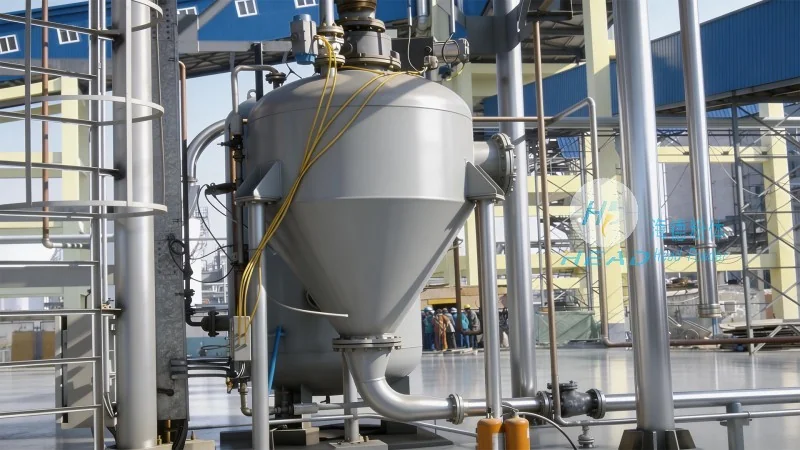
A robust technical specification for coke powder pneumatic conveying equipment must address several critical parameters: conveying capacity, pipeline diameter, system pressure, material properties, and environmental conditions. Typical conveying capacities range from 1 to 50 tons per hour for standard industrial applications, though larger systems can be engineered for specific projects. The pipeline diameter is calculated based on the required capacity, conveying distance, and material characteristics. For coke powder with an average particle size of 50–200 microns and a bulk density of 0.4–0.7 g/cm³, common pipe diameters fall between DN80 and DN200. System operating pressure for dense phase systems is typically 2–6 bar, while dilute phase systems operate at 0.5–1.5 bar. The material-to-air ratio is a key design metric: dense phase systems achieve ratios of 10–30 kg material per kg air, compared to 1–5 for dilute phase. Additionally, the equipment must comply with ATEX or NFPA 69 standards due to the combustible nature of coke dust. Explosion venting, grounding, and inert gas blanketing are often mandatory features. Headpowder's equipment specifications include stainless steel or carbon steel construction with abrasion-resistant internal coatings, certified safety components, and PLC-based control systems with remote monitoring capabilities.
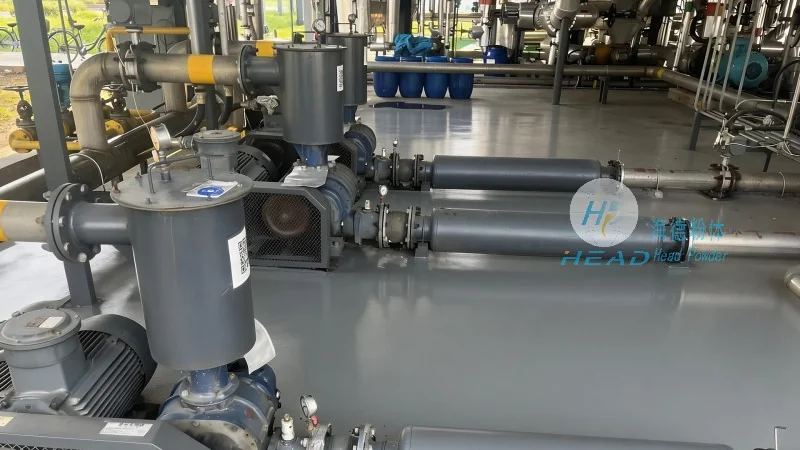
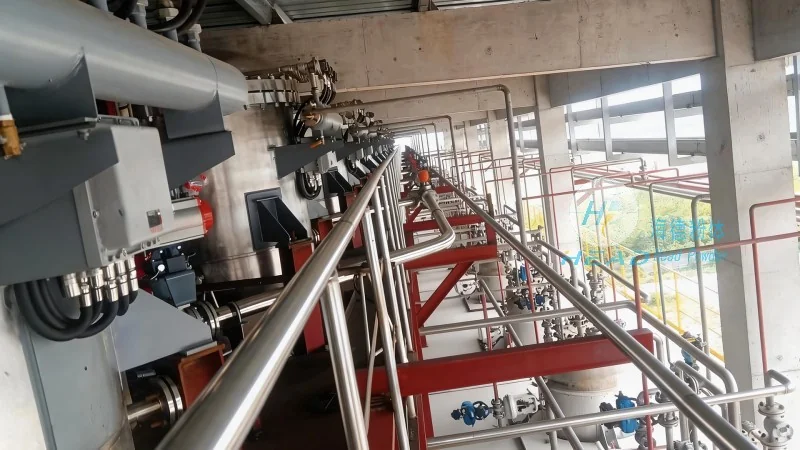
Selecting the right pneumatic conveying system for coke powder involves evaluating multiple interdependent factors. First, the conveying distance and routing complexity dictate the choice between positive pressure and vacuum systems. Positive pressure systems are preferred for long distances and multiple discharge points, while vacuum systems are ideal for feeding from multiple sources. Second, the moisture content of coke powder—typically below 5%—must be controlled to prevent clogging. Third, the presence of fines (particles below 45 microns) affects flowability and dust explosion risk. A high fines content may necessitate the use of pulse-jet filters and explosion suppression devices. System configuration options include single-line versus multi-line setups, rotary valve feeders versus screw feeders, and diverter valves versus fixed piping. For 2026, modular and scalable designs are trending, allowing plants to expand capacity with minimal downtime. Headpowder offers a range of standardized modules—including airlocks, blow tanks, filters, and control panels—that can be rapidly integrated into existing layouts. In a recent case study from a Chinese graphite electrode plant, Headpowder's custom dense phase system reduced energy consumption by 22% compared to the previous dilute phase setup, while maintaining a conveying capacity of 12 t/h over a 180-meter horizontal distance with eight 90-degree bends.
Adherence to international standards is non-negotiable for coke powder pneumatic conveying equipment. The primary applicable standards include ISO 2944 for pneumatic systems, ISO 4414 for safety requirements, and IEC 61508 for functional safety of electrical systems. For combustible dust, the ATEX Directive 2014/34/EU for Europe and NFPA 652 for North America mandate risk assessments, dust layer thickness limits, and electrical classification of hazardous zones. Conveying equipment installed in Zone 22 areas (where combustible dust may occur in normal operation) must have explosion-proof motors, grounding continuity monitoring, and temperature control on bearings. Additionally, the equipment should comply with the European Machinery Directive 2006/42/EC or equivalent local regulations. In 2026, regulatory bodies are tightening emission limits for particulate matter, requiring baghouse filters with outlet dust concentrations below 10 mg/Nm³. Headpowder's pneumatic conveying systems are designed with high-efficiency cartridge filters and leak detection sensors, ensuring compliance with the latest environmental standards. All equipment is factory-tested and documented with CE or UKCA declarations, providing traceability for plant audits.
Coke powder pneumatic conveying equipment finds extensive application in anode production for aluminum smelting, artificial graphite manufacturing, carbon black processing, and fuel injection systems for cement kilns. In the anode baking process, coke powder must be transferred from silos to mixer vessels with precise dosing. A 2025 market report indicated that the global anode-grade coke demand is projected to reach 12 million metric tons by 2027, driving investments in automated conveying systems. One notable installation involved a major European carbon anode producer that upgraded to Headpowder's dense phase system. The system conveys 15 t/h of calcined petroleum coke powder over a 250-meter distance with nine elbows, achieving a conveying velocity of 5.5 m/s. The measured wear rate on the ceramic-lined elbows was less than 0.5 mm per year, compared to 3 mm per year with conventional steel elbows. Maintenance intervals extended from monthly to semi-annual, reducing total ownership costs by 35%. Data from the plant's SCADA system showed consistent product quality with no particle attrition, as confirmed by sieve analysis before and after conveying.
Several technological advancements are reshaping the coke powder pneumatic conveying landscape. The integration of Industry 4.0 and IIoT enables real-time monitoring of pressure, flow rate, temperature, and wear indicators. Predictive maintenance algorithms forecast component failure, reducing unplanned downtime. Digital twin technology allows engineers to simulate system performance under varying loads before installation. Variable frequency drives (VFDs) on blower motors optimize energy consumption based on actual demand. Additionally, the use of artificial intelligence for clog detection and automatic purging has improved reliability in handling sticky or moist coke powder. Another significant trend is the shift toward energy recovery systems: some dense phase installations now incorporate expanders to capture pressure energy from the return air. For 2026, sustainability goals are pushing equipment manufacturers to adopt lighter materials, reduce overall system weight, and lower carbon footprints. Headpowder has invested in research and development of a hybrid conveying concept that combines dense phase with partial vacuum assist, achieving a 15% reduction in compressed air consumption compared to conventional dense phase systems.
To maximize the lifespan and reliability of coke powder pneumatic conveying equipment, operators should adhere to a structured maintenance program. Daily inspections include checking air filter differential pressure, rotary valve temperature, and pipeline vibration levels. Weekly, the blow tank and venting lines should be inspected for wear at the discharge cone. Monthly calibration of pressure sensors and flow meters ensures accurate process control. Annual performance testing, including pressure drop analysis across the entire line, can identify developing blockages or thinning pipe walls. A critical best practice is the installation of a nitrogen purging system for system shutdowns, preventing coke dust accumulation in dead zones. Headpowder provides a comprehensive service package that includes remote diagnostics, spare parts kits with ceramic-covered bends and wear plates, and on-site training for maintenance crews. The company's engineers recommend a proactive replacement schedule for airlocks based on throughput volume rather than calendar days, typically every 8,000–12,000 operating hours depending on abrasivity.
Headpowder has built its reputation on delivering coke powder pneumatic conveying systems that are engineered for durability, energy efficiency, and safety compliance. With a dedicated team of mechanical, electrical, and process engineers, the company offers turnkey solutions from feasibility study and basic design through to fabrication, installation, and commissioning. All equipment is manufactured in facilities certified to ISO 9001:2015, with rigorous quality control at every stage. Headpowder's proprietary wear-resistant technologies—such as ceramic epoxy lining and tungsten carbide inserts for high-impingement zones—extend service life significantly beyond industry averages. The company also maintains a test laboratory where customers can run trial conveying runs with their own coke powder samples, generating real performance data for system validation. Whether the application requires a single conveying line for a pilot plant or a complex multi-branch network for a large production facility, Headpowder provides tailored specifications that align with 2026 operational requirements. (咨询热线:156-6277-7102)
Investing in coke powder pneumatic conveying equipment is a long-term decision that impacts production efficiency, product quality, and workplace safety. By prioritizing technical specifications that match your material characteristics, capacity needs, and regulatory environment, you can avoid costly redesigns and operational hazards. The 2026 market data clearly indicates a shift toward dense phase technology with integrated digital monitoring and energy-saving features. When evaluating suppliers, look for proven track records in handling fine abrasive powders, comprehensive certification portfolios, and after-sales support capabilities. Headpowder's team is prepared to provide sample material testing, detailed engineering proposals, and references from satisfied clients across the carbon, metallurgical, and chemical industries. A well-specified pneumatic conveying system is not just a piece of equipment—it is an investment in consistent production and reduced total cost of ownership. By partnering with a specialist that understands both the physics of fine powder flow and the practical realities of industrial operation, you ensure that your coke powder handling remains reliable, safe, and cost-effective for years to come.

 Shandong headpowder Engineering Co., Ltd.
 156-6277-7102(Manager Zhang)
  0531-83386006
  Jinan City, Shandong Province, China
服务热线
微信咨询
回到顶部