News
Rich project cases across industries, showing real implementation and proven technical strength.In the rapidly evolving landscape of industrial powder handling, guar gum powder stands out as a highly versatile yet challenging material due to its hygroscopic nature, fine particle size, and tendency to bridge or clog in conventional conveying systems. As global demand for guar gum continues to rise—driven by applications in food thickening, oil drilling fluids, textile sizing, and personal care products—manufacturers face increasing pressure to implement reliable, efficient, and contamination-free pneumatic conveying solutions. This article delves into the technical architecture, component selection, performance optimization, and real-world implementation of pneumatic conveying equipment systems specifically tailored for guar gum powder, offering plant managers, process engineers, and procurement professionals actionable insights backed by industry data and engineering best practices.
Guar gum powder, derived from the endosperm of guar beans, typically exhibits bulk densities ranging from 0.4 to 0.7 g/cm³ and particle sizes from 40 to 200 mesh, with moisture content often below 10%. These physical properties make it prone to electrostatic buildup, agglomeration, and poor flowability. A well-engineered pneumatic conveying system must address these challenges through careful velocity control, proper filtration, and material-friendly component design. The global pneumatic conveying equipment market for food-grade and industrial powders is projected to exceed USD 12 billion by 2026, with a compound annual growth rate (CAGR) of approximately 6.8%, driven by automation trends and stricter hygiene standards. Within this segment, customized solutions for difficult-to-handle powders like guar gum are gaining particular traction. headpowder has developed a dedicated system architecture that integrates pressure conveying, vacuum conveying, and hybrid modes to meet diverse throughput requirements—from 500 kg/h for small-scale production to 20 t/h for large continuous operations.
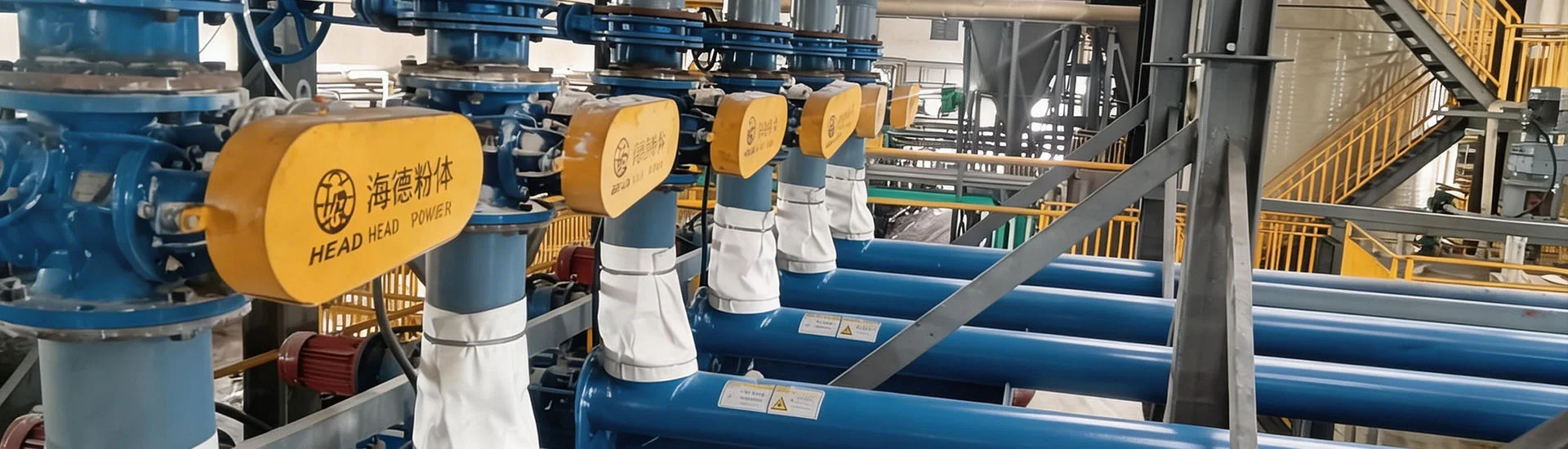
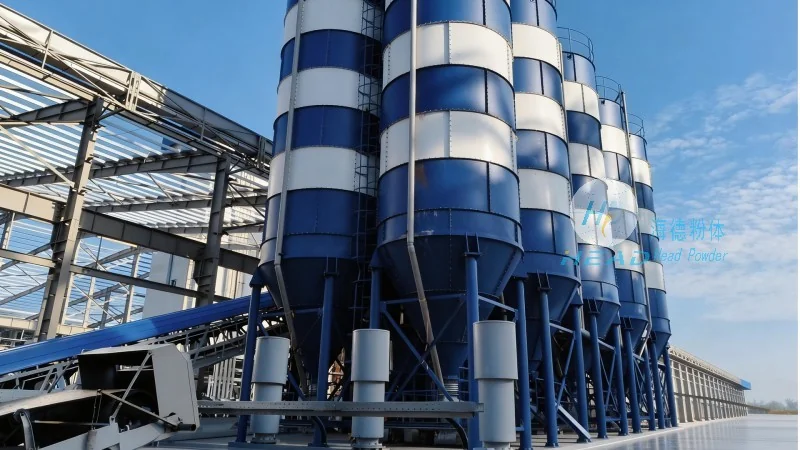
A robust pneumatic conveying system for guar gum powder typically consists of four main subsystems: material intake and feeding, conveying pipeline, air-moving equipment, and separation/filtration units. The intake stage often employs a rotary airlock valve, screw feeder, or venturi injector depending on the material's flow characteristics. For guar gum, which tends to pack under pressure, headpowder recommends using a specialized slow-speed rotary valve with a non-stick coating and adjustable clearance to minimize smearing and heat generation. The conveying pipeline diameter and routing must be calculated based on the required mass flowrate, conveying distance (horizontal, vertical, and bends), and pressure drop. Standard guidelines suggest maintaining air velocities between 10 m/s and 25 m/s for dilute phase systems, while dense phase systems operate at velocities below 8 m/s to reduce particle degradation and pipe wear. For guar gum, a dilute-to-dense transition zone is often preferred to balance energy consumption with material integrity.
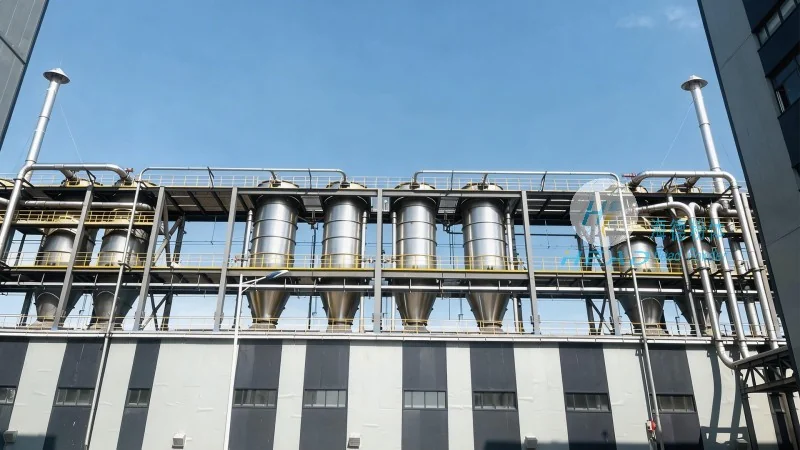
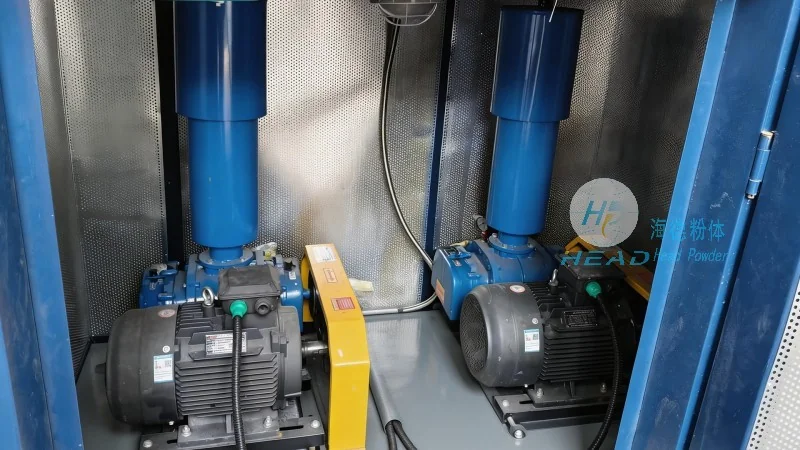
The air-moving equipment—whether positive displacement blowers, roots blowers, or screw compressors—must be sized to deliver a consistent airflow at the required pressure (typically 0.6–2.0 bar for pressure systems or –0.3 to –0.8 bar for vacuum systems). headpowder integrates frequency-driven blowers with automatic pressure sensors to adapt in real time to changes in material density or conveying line load. The separation stage normally employs a cyclone separator followed by a bag filter or cartridge filter to capture fine particles. For guar gum, which can generate explosive dust clouds, the filtration system must comply with ATEX or NFPA standards, incorporating anti-static filter media, explosion venting, and grounding mechanisms. A recent headpowder installation for a leading food ingredient manufacturer achieved 99.97% particulate capture efficiency at the bag filter outlet, with residual dust concentration below 1 mg/m³, surpassing local environmental regulations.
One of the primary design challenges in guar gum pneumatic conveying is preventing moisture absorption and subsequent caking. Guar gum can absorb up to 10 times its weight in water, and even ambient humidity can trigger clumping inside convey lines. To mitigate this, the system should include dehumidified air supply, insulated piping in humid environments, and the use of desiccant dryers. Additionally, the conveying air temperature should be maintained below 50°C to avoid thermal degradation of the gum's viscosity properties. Another critical factor is the angle of repose, which for guar gum can exceed 40 degrees, meaning that hopper designs must incorporate steep cone angles (60–70 degrees) and vibratory aids or aeration pads to ensure reliable discharge. headpowder’s standard hopper design for guar gum includes a 70-degree cone with a 2 mm stainless steel liner and a high-frequency electromagnetic vibrator, reducing bridging incidents by over 85% in field tests.
Pipeline routing also requires careful consideration: long horizontal runs should be limited to avoid material stratification, and vertical rises should not exceed 30 meters without intermediate boosters. The number of bends should be minimized, and where unavoidable, long-radius bends (R/D ratio ≥ 6) should replace short-radius elbows to reduce particle impact and wall erosion. For a typical 100-meter conveying line handling 5 t/h of guar gum, headpowder calculated that using short-radius bends instead of long-radius ones would increase annual pipe replacement costs by nearly 40%, not counting downtime losses. Furthermore, the pipe internal surface finish should be at least 2B (Ra ≤ 0.8 µm) to reduce friction and prevent material residue accumulation. Stainless steel 304 or 316L is the standard material due to its corrosion resistance and cleanability, though for food-grade applications, sanitary welds and orbital welding techniques are recommended.
Selecting the appropriate conveying mode is central to system performance. Dilute phase pneumatic conveying, where material is suspended in high-velocity air flow, is suitable for short distances and lower throughput but can cause particle attrition and higher energy consumption. Dense phase conveying, where material is pushed as a slug or plug at lower velocities, minimizes breakage and reduces wear. For guar gum, which is valued for its intact particle morphology and consistent viscosity, dense phase is generally preferred. However, the material's high compressibility requires precise pressure control to initiate and maintain plug flow. headpowder’s patented dense phase system uses a combination of top-discharge pressure vessels and pulsed air injection to create discrete material slugs, achieving a throughput of up to 15 t/h over 200 meters with less than 2% particle size reduction—significantly better than the 8–12% reduction observed in dilute phase tests.
Data from headpowder’s laboratory trials indicate that dense phase conveying reduces specific energy consumption by approximately 30% compared to dilute phase for the same material transport rate. In a recent case study involving a guar gum processing plant in India, switching from an existing dilute phase system to headpowder’s dense phase solution lowered the plant's annual electricity cost by USD 48,000 while extending the service life of the conveying line from 18 months to over 4 years. The system also eliminated frequent blockages that had previously caused 12–15 unplanned shutdowns per year, increasing overall equipment effectiveness (OEE) from 72% to 89%.
Modern pneumatic conveying systems require intelligent control architectures to handle varying feed rates, material properties, and environmental conditions. A PLC-based control system with a human-machine interface (HMI) should govern blower speed, valve sequencing, filter cleaning cycles, and alarm management. For guar gum, real-time moisture monitoring using near-infrared (NIR) sensors can be integrated to adjust conveying air conditions dynamically. headpowder’s IoT-enabled platform offers remote monitoring and predictive maintenance alerts, analyzing trends in pressure drop, motor current, and filter differential pressure to forecast potential issues before they cause downtime. This level of automation aligns with the Industry 4.0 movement, which is projected to be adopted by over 60% of powder processing plants by 2026 according to a recent industry survey.
Beyond basic control, the system should include safety interlocks such as high-pressure alarms, emergency stop buttons, and dust explosion isolation valves. For applications involving explosive guar gum dust, the control system must be certified for use in classified zones (e.g., Zone 20/21 for dust). headpowder’s systems are designed to meet IEC 61511 functional safety standards, with redundant pressure sensors and fail-safe valve positions. In a recent installation for a North American specialty chemicals company, the automation suite achieved a 99.6% uptime over 12 months, with zero safety incidents recorded.
To illustrate the practical impact of proper system design, consider a mid-sized processing facility in Western Europe that needed to convey 3 t/h of guar gum powder from a grinding mill to a blending silo 80 meters away, with an elevation gain of 12 meters. The existing screw conveyor system suffered from frequent blockages, high dust emissions, and required daily manual cleaning. After evaluating multiple proposals, the facility chose headpowder’s dense phase pneumatic conveying solution featuring a 4-inch stainless steel line, a 75 kW variable-speed blower, and a reverse-jet baghouse filter. The system was installed during a scheduled two-week shutdown, with commissioning completed in 10 days. Post-installation, the conveying rate stabilized at 3.2 t/h with a pressure drop of 0.6 bar, and dust emissions were reduced below regulatory limits (2 mg/m³). The facility reported a 40% reduction in manual labor related to cleaning and unblocking, and the product viscosity retention improved by 5% due to gentler handling. The total payback period for the investment was under 18 months, driven by energy savings and increased production throughput.
Another compelling example comes from a guar gum refinery in the Middle East that required simultaneous conveying to three downstream packaging machines, each with different suction demands. headpowder designed a multi-outlet pressure conveying system with automated diverters and individual flow control valves, enabling independent adjustment of each line without affecting overall system stability. The plant now operates 24/7 with a 98.5% dispatch accuracy rate, and the system has operated for over 7,000 hours without any major component failure. These real-world results underscore the importance of customized engineering over one-size-fits-all solutions.
Given guar gum's tendency to leave sticky residues, a well-planned maintenance strategy is essential. Systems should incorporate clean-in-place (CIP) capabilities, where cleaning solution or hot water can be circulated through the conveying line after a production run. headpowder recommends a weekly CIP cycle for facilities running 5 days per week and a daily quick-flush using dry compressed air for shorter product changeovers. The bag filters should be equipped with differential pressure transmitters and automatic pulse-jet cleaning systems; headpowder uses a proprietary staggered pulse sequence that reduces compressed air consumption by 25% compared to conventional designs. Pipe wear can be monitored through ultrasonic thickness gauges at critical locations—typically after bends and at pipe reducers—with scheduled replacement intervals set based on actual data rather than calendar time.
In terms of reliability statistics, headpowder’s internal database covering over 200 installations globally indicates that the mean time between failures (MTBF) for guar gum pneumatic conveying systems improved from an industry average of 1,200 hours to over 4,500 hours after implementing optimized component selections and predictive maintenance protocols. The company also provides a 36-month warranty on conveying line components and a 12-month warranty on blowers and filters, with optional extended service contracts that include annual performance audits. For facilities seeking certification under ISO 22000 or FSSC 22000, headpowder offers complete documentation packages including material certificates, weld records, and hygiene compliance reports.
Investing in a properly designed pneumatic conveying system for guar gum powder delivers measurable economic benefits. A typical mid-scale system (5 t/h, 150 meters) incorporating dense phase technology can reduce operating costs by 15–25% compared to mechanical conveying alternatives, primarily through lower maintenance, reduced product loss, and decreased energy usage. Based on current European energy prices (€0.15/kWh), the annual electricity cost for a 75 kW blower running 6,000 hours is approximately €67,500; dense phase operation can lower this to €47,250, saving over €20,000 annually. When factoring in reduced material waste (typically 0.5–1% lower than mechanical systems) and decreased manual intervention, the total cost of ownership (TCO) over a 10-year period can be 30% lower than a comparable mechanical conveyor system.
From an environmental perspective, sealed pneumatic systems eliminate fugitive dust emissions, contributing to cleaner work environments and compliance with increasingly strict air quality directives such as the EU's Industrial Emissions Directive (IED). Furthermore, the ability to use variable-speed drives reduces peak power demand, which can qualify facilities for demand-response tariff incentives. headpowder’s systems are designed to be fully recyclable at end of life, with stainless steel components carrying a high scrap value. The company also offers energy recovery options, such as using the exhaust air for pre-heating purposes in adjacent processes, further improving overall plant efficiency.
Choosing a reliable partner for guar gum powder pneumatic conveying equipment is a strategic decision that impacts production consistency, product quality, and long-term profitability. headpowder combines deep material handling expertise with advanced engineering simulation tools to design systems that not only meet but exceed operational targets. From initial feasibility studies through commissioning and after-sales support, the team ensures that every installation is optimized for the unique challenges of guar gum powder. Whether your facility is upgrading an existing line or building a greenfield plant, requesting a comprehensive system audit and performance simulation is the first step toward achieving world-class conveying efficiency. (咨询热线:156-6277-7102) headpowder’s engineering consultants are ready to discuss your specific requirements and deliver a solution that stands the test of demanding production environments.

 Shandong headpowder Engineering Co., Ltd.
 156-6277-7102(Manager Zhang)
  0531-83386006
  Jinan City, Shandong Province, China
服务热线
微信咨询
回到顶部