News
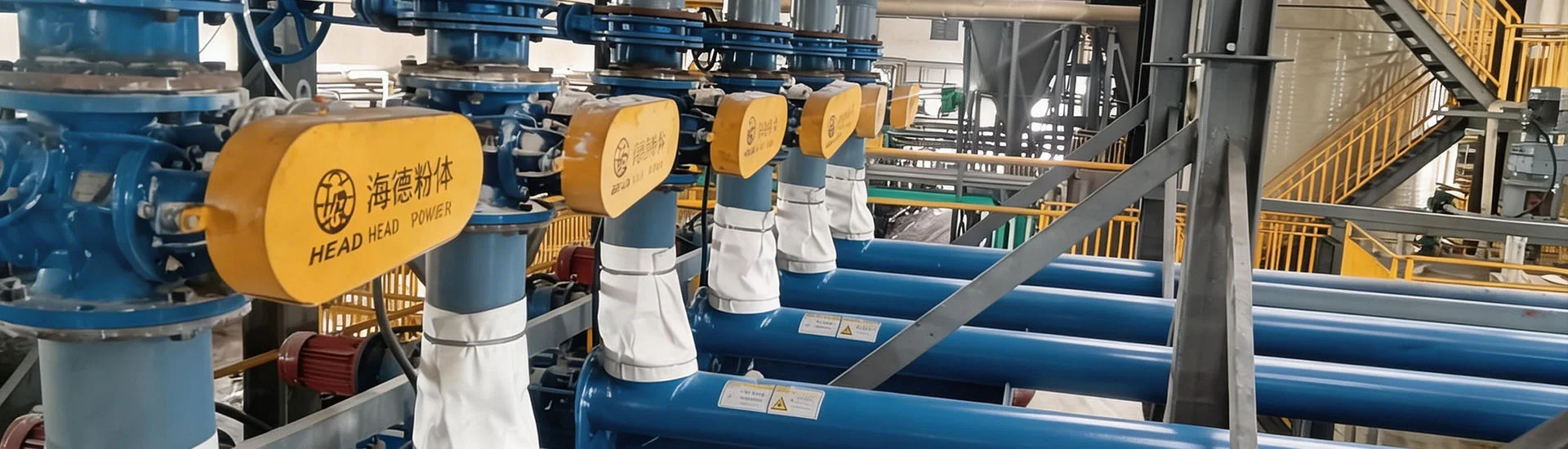
Rich project cases across industries, showing real implementation and proven technical strength.In modern animal feed manufacturing, the reliable and efficient transfer of feed pellets from production lines to storage, packaging, or loading stations represents a critical operational challenge. As the global feed industry continues to scale toward higher throughput and stricter quality standards, pneumatic conveying has emerged as the preferred solution for moving bulk feed pellets safely and cleanly. By 2026, the market for pneumatic conveying systems in agriculture and feed processing is projected to exceed USD 8.5 billion globally, driven by increasing demand for automated, dust-free, and low-maintenance material handling technologies. Unlike mechanical conveyors such as bucket elevators or screw conveyors, pneumatic systems use air pressure or vacuum to transport feed pellets through enclosed pipelines, which minimizes product degradation, prevents cross-contamination, and reduces energy consumption per ton moved. This technical introduction provides a comprehensive examination of feed pellets pneumatic conveying system design, component selection, operational parameters, and industry best practices, drawing on real-world engineering experience and current market trends. The goal is to equip feed mill operators, plant engineers, and decision-makers with the technical knowledge necessary to specify, evaluate, or upgrade their conveying infrastructure for optimal performance and long-term reliability.
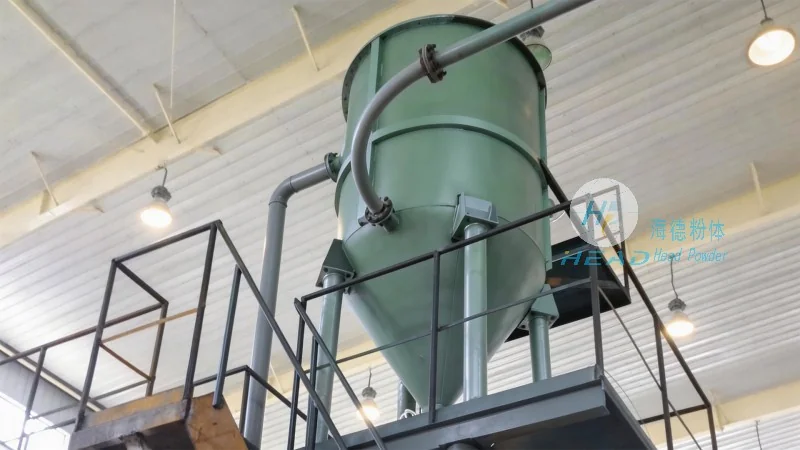
A feed pellets pneumatic conveying system operates on the fundamental principle of creating a controlled airflow that carries pelletized material through a sealed pipeline. The two primary configurations are dilute phase conveying and dense phase conveying. In dilute phase systems, feed pellets are suspended in a high-velocity air stream—typically between 20 and 30 meters per second—and transported at relatively low material-to-air ratios. This approach is well suited for shorter distances, moderate capacities, and materials that are not highly fragile. In contrast, dense phase conveying uses lower air velocities, often below 10 meters per second, and higher material-to-air ratios, meaning the pellets move through the pipe in slugs or plugs rather than being fully suspended. This gentler method significantly reduces pellet breakage and fines generation, which is especially important for high-value feed products where particle integrity directly affects nutritional delivery and animal performance. The system architecture typically includes five main components: a material intake device (such as a rotary airlock or venturi feeder), a prime mover (positive displacement blower or compressor), the conveying pipeline with appropriate bends and diverters, a separation device (cyclone or filter receiver), and a control system for regulating airflow, pressure, and material flow rate. Each component must be carefully sized and matched to the specific characteristics of the feed pellets being handled, including bulk density, particle size distribution, moisture content, and abrasiveness.
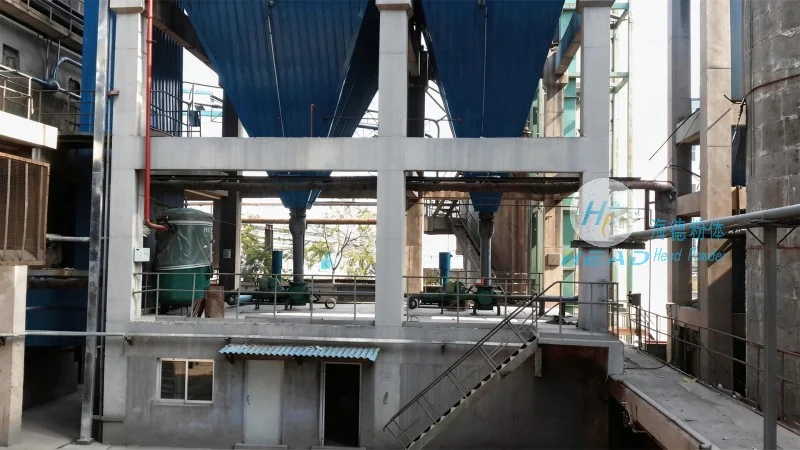
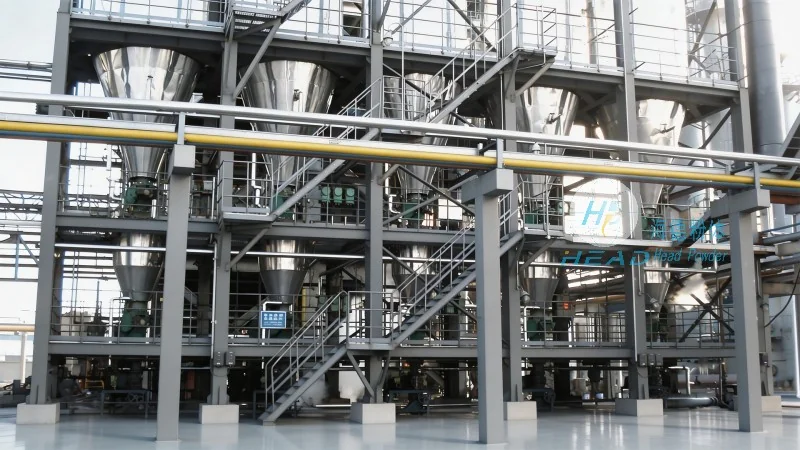
Selecting the right equipment for a feed pellets pneumatic conveying system requires a detailed understanding of material properties and system performance targets. The bulk density of typical feed pellets ranges from 550 to 700 kg/m³, while particle size can vary from 3 to 12 mm in diameter. Moisture content in conditioned pellets often falls between 12% and 16%, which can affect flowability and adhesion inside the pipeline. For design engineers, the most critical parameters include conveying distance, elevation change, required throughput, and permissible degradation rate. A system designed to move 10 tons per hour over 150 meters with three 90-degree bends will have substantially different pressure drop and air volume requirements than a system moving 5 tons per hour over 50 meters with a single bend. The positive displacement blower is the heart of most feed pellet conveying systems, providing a consistent air volume at the required pressure, typically ranging from 40 to 80 kPa for dilute phase and 100 to 250 kPa for dense phase applications. Rotary airlocks must be selected with rotor-to-housing clearances tight enough to minimize air leakage while still allowing free rotation without jamming. Headpowder has developed a proprietary rotary airlock design with tungsten carbide-tipped rotor vanes and adjustable clearance settings, which has demonstrated service lives exceeding 8,000 operating hours in commercial feed mills handling corn-based and soybean-based pellets. Pipeline diameter is another crucial decision point. Undersized piping increases air velocity and pressure drop, leading to higher energy consumption and increased pellet attrition. Oversized piping reduces velocity, which can cause material settling and plugging. Industry guidelines recommend maintaining a conveying velocity between 18 and 25 m/s for dilute phase transport of standard feed pellets, with the actual value optimized based on particle terminal velocity and pipeline routing complexity.
The design and operation of feed pellets pneumatic conveying systems are subject to several international and regional technical standards that ensure safety, performance consistency, and environmental compliance. ISO 10627 provides guidelines for pneumatic conveying of bulk materials, while ASABE S575 outlines testing procedures for feed processing equipment. In addition, the European standard EN 1612 mandates safety requirements for machinery used in the feed and food industry, including dust explosion prevention measures. By 2026, the industry is seeing a clear shift toward smart conveying systems equipped with real-time monitoring, predictive maintenance algorithms, and automated airflow adjustment capabilities. The integration of IoT sensors for pressure, temperature, and flow rate allows operators to detect early signs of pipeline wear, filter blockage, or blower performance degradation before they cause downtime. Another emerging trend is the adoption of hybrid conveying systems that combine dilute phase and dense phase operation in different segments of the same pipeline network, optimizing energy use and product quality simultaneously. Data from recent installations indicates that advanced conveying systems with adaptive control can reduce energy consumption by 18% to 25% compared to conventional fixed-speed designs, while also lowering pellet fines content by up to 30%. Furthermore, sustainability pressures are driving the use of energy-efficient blowers with variable frequency drives and heat recovery systems that capture waste heat from the air stream for use in pellet conditioning or facility heating. These developments align with the broader industry goal of reducing the carbon footprint of feed manufacturing by 15% by 2030, as outlined in the Global Feed Industry Sustainability Roadmap.
Successful implementation of a feed pellets pneumatic conveying system goes beyond theoretical calculations and equipment selection; it requires careful consideration of the actual operating environment, maintenance accessibility, and future expansion capacity. One often underestimated factor is the routing of the conveying pipeline. Each bend, transition, or vertical lift introduces additional pressure drop and potential wear points. For feed pellets, the recommended bend radius-to-pipe diameter ratio should be at least 6:1 for standard carbon steel piping and 10:1 for abrasive ingredients. Long-radius bends with replaceable wear backs are preferred for high-wear applications, such as conveying pellets with high mineral content or added limestone. Another practical consideration is the design of the intake station. Feed pellets entering the conveying system should be metered consistently to avoid surging, which can cause pressure spikes and system instability. A combination of a vibratory feeder or a controlled-speed rotary airlock ensures a uniform feed rate that matches the blower capacity. During commissioning, it is essential to validate system performance through a series of tests measuring throughput, power consumption, pellet quality index, and fines percentage at the discharge point. Headpowder has executed over 40 feed pellet conveying installations across Asia and the Middle East since 2020, and project records show that systems designed with a 10% capacity margin and modular pipeline sections achieve 30% faster troubleshooting and 25% lower annual maintenance costs. In one documented case, a poultry feed mill in Thailand replaced its existing bucket elevator system with a headpowder dense phase pneumatic conveyor, achieving a 40% reduction in pellet breakage and a 22% decrease in overall energy cost per ton, while eliminating dust emissions at transfer points entirely.
When evaluating a feed pellets pneumatic conveying system from a financial perspective, it is important to consider not only the initial capital expenditure but also the long-term operational savings and productivity gains. The installed cost of a complete pneumatic conveying system for feed pellets typically falls between USD 80,000 and USD 250,000 depending on capacity, distance, and level of automation. Although this upfront investment is generally higher than that of a mechanical conveyor system of comparable capacity, the total cost of ownership over a ten-year period often favors pneumatic technology due to lower maintenance requirements, reduced product loss, and greater layout flexibility. Mechanical systems such as bucket elevators and screw conveyors have numerous moving parts that require regular lubrication, alignment, and replacement, leading to annual maintenance costs that can reach 5% to 8% of the initial purchase price. In contrast, well-designed pneumatic systems have fewer wearing components, and the main operational costs are electricity for the blower and periodic replacement of filter elements and wearbacks. For medium to large feed mills producing more than 100,000 tons of pellets annually, even a 1% reduction in pellet fines can translate into savings of over USD 50,000 per year in raw material efficiency alone. Additionally, the enclosed nature of pneumatic conveying eliminates spillage and dust accumulation, which reduces cleanup labor and lowers fire and explosion risks. Insurance premiums for feed mills equipped with enclosed pneumatic systems can be 10% to 15% lower than those for mills relying on open mechanical conveyors, according to industry risk assessment data from 2025.
To illustrate the practical impact of proper system design, consider a medium-scale aquafeed production facility in Vietnam that experienced pellet degradation rates of 8% to 12% during transport from the cooler to the bagging station using a combination of bucket elevators and screw conveyors. The facility produced 50,000 tons of shrimp feed pellets annually, and the high fines content resulted in significant product waste and customer complaints about dust in packaging. After evaluating multiple conveying technologies, the plant engineering team selected a dense phase pneumatic system from headpowder, designed for a capacity of 12 tons per hour over a total conveying distance of 85 meters with four directional changes. Key system features included a 75 kW positive displacement blower with variable frequency drive, 150 mm diameter schedule 10 stainless steel piping with long-radius bends, and a PLC control system with integrated pressure monitoring and automatic air injection at critical points. During the first six months of operation, the system maintained pellet degradation rates below 2.5%, representing an improvement of over 75% compared to the previous mechanical setup. The reduction in fines alone generated annual savings of approximately USD 68,000 in recovered feed material. Additionally, the enclosed pipeline eliminated dust emissions entirely, allowing the mill to improve its environmental compliance and reduce respiratory health risks for workers. The project achieved a full return on investment within 19 months. This case demonstrates that when technical parameters are matched precisely to material properties and operational requirements, pneumatic conveying can deliver measurable quality and economic benefits that far exceed those of conventional mechanical systems.
As the feed manufacturing industry moves toward higher levels of automation, stricter quality assurance, and greater environmental accountability, the role of pneumatic conveying technology will continue to expand. By 2027, analysts predict that over 35% of new feed mill projects globally will incorporate pneumatic conveying for at least part of their material transport requirements, up from approximately 22% in 2024. The primary drivers include the need for flexible plant layouts that can adapt to changing product lines, the growing preference for centralized control systems that integrate conveying with other processing equipment, and the increasing regulatory pressure to minimize fugitive dust emissions. For feed mill operators considering a pneumatic conveying system, the following implementation steps are recommended: first, conduct a thorough material characterization study including bulk density, angle of repose, particle size distribution, and moisture sensitivity; second, engage an experienced system integrator with a proven track record in feed pellet applications—headpowder offers free preliminary feasibility assessments and design simulations based on actual production parameters; third, include provisions for future capacity expansion in the pipeline sizing and blower selection; fourth, specify automation and monitoring capabilities that allow for real-time performance tracking and predictive maintenance; and fifth, plan for a phased commissioning process that validates each segment of the system before full-scale operation. By taking these steps, feed manufacturers can ensure that their pneumatic conveying investment delivers reliable, efficient, and cost-effective performance for the life of the facility. For more detailed technical consultation or to request a customized system proposal, contact headpowder directly (咨询热线:156-6277-7102) to speak with a senior applications engineer.

 Shandong headpowder Engineering Co., Ltd.
 156-6277-7102(Manager Zhang)
  0531-83386006
  Jinan City, Shandong Province, China
服务热线
微信咨询
回到顶部