News
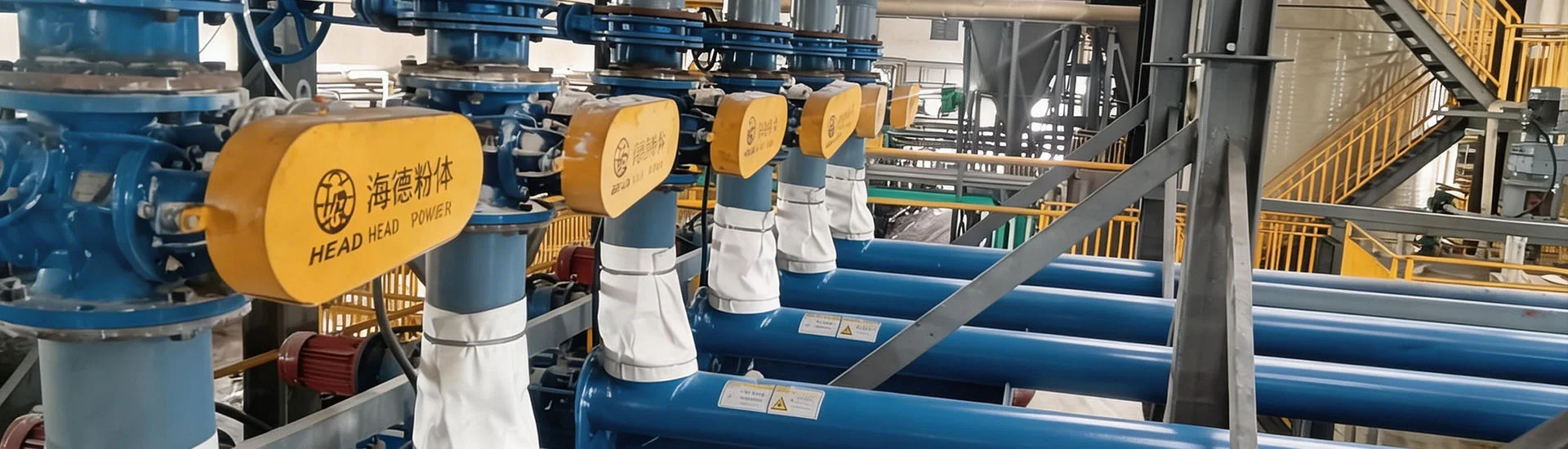
Rich project cases across industries, showing real implementation and proven technical strength.Fly ash, a fine byproduct generated from coal-fired power plants, has become a valuable resource in industries such as cement, concrete, and construction materials. However, its fine particle size, low bulk density, and abrasive nature present significant challenges during handling and transport. Traditional mechanical conveying methods often lead to excessive dust emission, material degradation, and high maintenance costs. This is where the fly ash pneumatic conveying system solution emerges as a critical technology. By utilizing air pressure or vacuum to move fly ash through enclosed pipelines, pneumatic systems offer a clean, efficient, and reliable method for bulk material handling. In today’s industrial landscape, where environmental regulations are tightening and operational efficiency is paramount, selecting the right pneumatic conveying solution for fly ash is essential. The system must be designed to handle the specific characteristics of fly ash — including its tendency to fluidize, its slightly acidic pH when wet, and its potential for caking under humid conditions. A well-engineered solution not only minimizes dust and spillage but also ensures consistent flow rates, reduces energy consumption, and extends equipment life. Companies like headpowder have developed specialized expertise in this domain, offering tailored systems that address these unique requirements. With the global fly ash market projected to grow at a compound annual growth rate of over 6% through 2026, driven by infrastructure development and sustainable construction practices, the demand for advanced pneumatic conveying solutions is set to rise. This article provides a comprehensive analysis of fly ash pneumatic conveying system design, key components, operational considerations, and best practices for integration — all while maintaining a strong focus on practical, applicable knowledge for engineers, plant managers, and decision-makers.
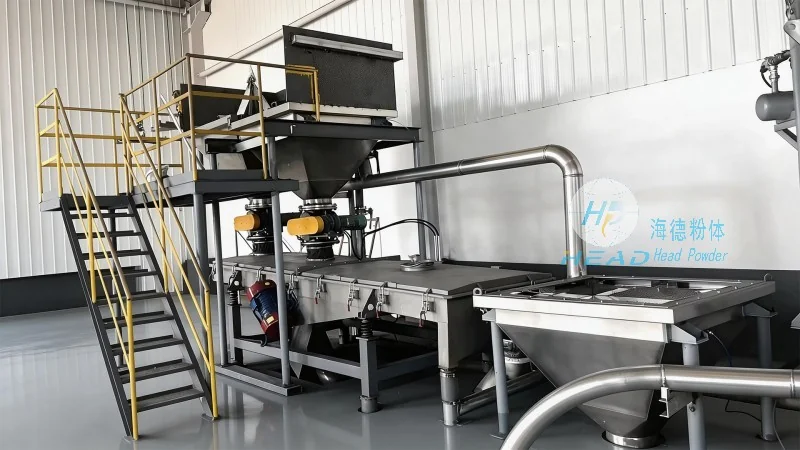
Designing an effective fly ash pneumatic conveying system requires a thorough understanding of the material’s physical and chemical properties. Fly ash typically has a bulk density ranging from 0.8 to 1.2 g/cm³, a particle size distribution from 1 to 100 microns, and a angle of repose around 40 to 50 degrees. These parameters directly influence the choice between dilute phase, dense phase, and semi-dense phase conveying. Dilute phase systems operate at higher air velocities (usually above 20 m/s), suspending particles in the airstream, which works well for short distances and lower capacities. However, for fly ash, the high velocity can cause significant pipeline wear due to abrasion. Dense phase systems, on the other hand, use lower air velocities (typically below 10 m/s) and higher material-to-air ratios, pushing the material as a plug or slug through the pipe. This reduces wear by up to 70% compared to dilute phase and consumes less energy. But dense phase requires precise control of air pressure and pipeline geometry to avoid blockages. Semi-dense systems offer a compromise, operating at intermediate velocities and providing flexibility for varying particle sizes. When designing a system for fly ash, engineers must also account for the material’s tendency to aerate and form fluidized beds, which can affect flow stability. Pipeline diameter, bend radius, and material of construction are critical: for abrasive fly ash, abrasion-resistant steel or ceramic-lined pipes are recommended. Additionally, the system must include moisture control measures, as fly ash can absorb moisture from ambient air, leading to caking and flow disruptions. Proper air filtration, using pulse-jet bag filters or cartridge filters, ensures that exhausted air meets environmental standards. headpowder has integrated these considerations into its system designs, offering modular configurations that can be scaled to match specific site layouts and throughput requirements. For example, a typical cement plant handling 20 tons per hour of fly ash may benefit from a dense phase system with multiple injection points, whereas a smaller power plant requiring 5 tons per hour might choose a dilute phase setup with lower upfront cost. The key is to match the conveying mechanism to the material behavior and operational context.
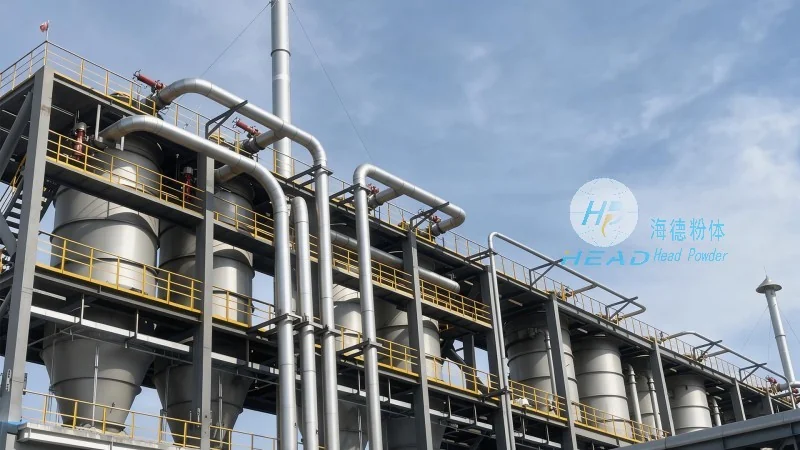
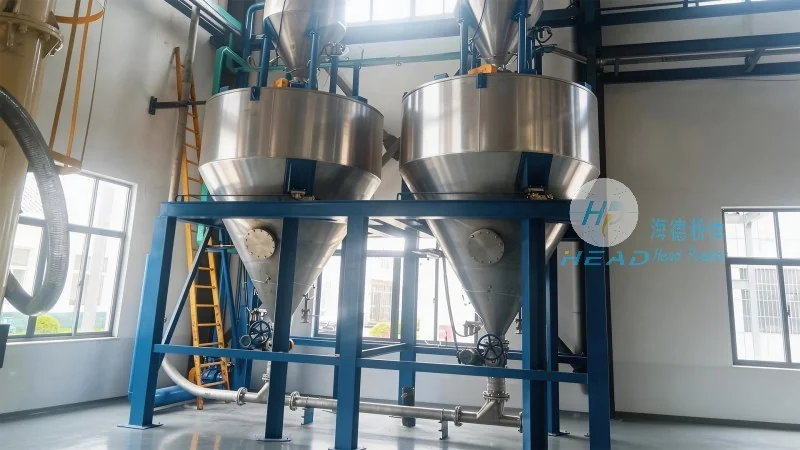
A complete fly ash pneumatic conveying system consists of several interconnected components, each playing a specific role in ensuring efficient and reliable material transfer. The starting point is the feeding device — typically a rotary airlock or screw feeder — which controls the entry of fly ash into the conveying line while maintaining a pressure seal. Rotary airlocks with hardened tips are preferred for abrasive fly ash, as they reduce wear and maintain a consistent seal. Downstream, the air mover provides the motive force: positive displacement blowers for low-pressure dilute phase, screw compressors for high-pressure dense phase, or vacuum pumps for negative-pressure systems. The choice depends on the conveying distance and required pressure drops. For long-distance conveying exceeding 300 meters, booster valves may be installed along the pipeline to maintain pressure and prevent settling. The pipeline itself must be designed with minimal bends and gradual transitions to reduce friction and wear. Pneumatic conveying system manufacturers often recommend using long-radius bends (at least 10 times the pipe diameter) to minimize particle impact. At the receiving end, a separator — typically a cyclone separator or a baghouse — removes fly ash from the conveying air. Baghouses with pulse-jet cleaning are most effective for fine fly ash, achieving collection efficiencies above 99%. After separation, the material enters a storage silo or process vessel. Silo venting systems with dust collectors are essential to prevent overpressure and fugitive emissions. Control and instrumentation are equally important: pressure sensors, flow meters, and level indicators provide real-time data for system optimization. headpowder’s solutions incorporate advanced PLC-based controls that allow for automatic pressure regulation, blockage detection, and remote monitoring. For instance, a recent installation at a Midwest coal plant integrated pressure transducers every 15 meters along the pipeline, enabling immediate identification of potential plugging events. This proactive approach reduces downtime and maintenance costs. In addition, all components are selected based on ASME and ISO standards, ensuring compliance with international safety and quality requirements. The cumulative effect of these well-designed components is a system that operates with minimal operator intervention, high availability (often exceeding 98%), and predictable performance over decades of service.
Despite the robustness of modern pneumatic conveying systems, fly ash presents unique operational challenges that require careful mitigation. One of the most common issues is pipeline wear, especially at bends and diverter valves. The abrasive nature of fly ash can erode standard carbon steel pipes within months. To extend service life, many operators now install ceramic-lined bends or use high-chrome alloy piping in critical sections. headpowder recommends a life-cycle cost analysis when selecting materials — while initial investment in wear-resistant components is higher, the reduction in replacement and downtime costs often results in a payback period of less than two years. Another significant challenge is the formation of rat-holes and bridging in storage silos. Fly ash, when stored for extended periods, can compact and become difficult to discharge. This can be addressed by installing fluidizing pads or air cannons at the hopper outlet. Aerating the material introduces low-pressure air to break compacted zones and re-fluidize the ash. For continuous feeding, vibratory bin activators or screw feeders with variable speed control can maintain consistent flow. Moisture ingress is a third recurring problem. Even small amounts of condensation can cause fly ash to cake and harden inside the pipeline. Solutions include using desiccant dryers on the compressed air supply, heating the conveying air slightly (5-10°C above ambient), and insulating pipelines in humid environments. headpowder has implemented a moisture management protocol in its systems for clients in coastal regions, achieving more than 30% reduction in caking incidents. Blockages themselves can be cleared using reverse-pulse blowback systems or by installing multi-port diverters that allow re-routing of material flow. In extreme cases, mechanical agitators or pneumatic hammers can be applied at strategic points. Importantly, system design must include access points for inspection and cleanout, such as purge ports and removable spool pieces. Predictive maintenance using data analytics — monitoring air pressure trends, flow rates, and motor currents — helps operators anticipate issues before they cause shutdowns. With these solutions in place, a well-maintained fly ash pneumatic conveying system can achieve uptimes comparable to the best in class.
The global market for fly ash pneumatic conveying systems is evolving rapidly, driven by several converging trends. As of 2026, stricter emission norms in Europe, North America, and Asia-Pacific are pushing power plants and cement producers to adopt enclosed conveying methods to meet particulate matter limits below 10 mg/Nm³. Pneumatic systems inherently prevent fugitive dust, making them a preferred choice over open belt conveyors or screw conveyors. Concurrently, the circular economy movement is accelerating the utilization of fly ash in construction materials, with the global fly ash utilization rate expected to exceed 75% by 2026. This means more plants are investing in long-distance conveying systems to transport fly ash from power plants to cement kilns or concrete batching plants, sometimes over distances exceeding 1 kilometer. Technological advancements in air compression and control systems are also shaping the market. Variable frequency drives on blowers and compressors now allow precise energy matching to actual conveying demand, reducing power consumption by 15-25% compared to fixed-speed systems. The integration of IoT sensors and cloud-based monitoring platforms enables real-time performance tracking and predictive maintenance scheduling. headpowder has been at the forefront of adopting these technologies, with several installations featuring smart dashboards that display system efficiency, wear rates, and energy usage per ton conveyed. Another notable trend is the modularization of system components. Pre-engineered, skid-mounted pneumatic conveying units reduce on-site installation time by up to 40% and allow easier scalability as capacity grows. For new power plant projects in Southeast Asia and Africa, where skilled labor may be limited, modular solutions are particularly attractive. Furthermore, manufacturers are increasingly offering bundled services — including system design, fabrication, installation, commissioning, and ongoing support — to streamline project execution. From a cost perspective, the total installed cost of a typical dense phase fly ash conveying system ranges from $150,000 to $500,000 for capacities of 5-30 tons per hour, with payback periods of 1.5 to 3 years through reduced dust control expenses and lower maintenance. The return on investment is further enhanced by energy savings and improved operational safety. As the industry continues to mature, these trends point toward a future where fly ash pneumatic conveying systems become standard equipment in any facility handling this versatile industrial byproduct.
To illustrate the practical benefits of a well-designed fly ash pneumatic conveying system solution, consider the example of a mid-sized cement plant in the southeastern United States. Prior to upgrading, the plant relied on mechanical bucket elevators and screw conveyors to move fly ash from its receiving hopper to a storage silo located 280 meters away. The legacy system experienced frequent blockages due to moisture, excessive dust emissions that exceeded local air quality permits, and unplanned downtime averaging 8 hours per month. Maintenance costs were running at approximately $12,000 per month, mainly for worn-out bearings and screw flights. The plant engaged headpowder to design a replacement pneumatic conveying system using dense phase technology. The new system consisted of a primary rotary airlock feeder with carbide-tipped vanes, a screw compressor capable of delivering 7 bar pressure, a DN150 pipeline with ceramic-lined bends, and a pulse-jet baghouse filter at the silo top. A PLC-based control system was integrated with the plant’s existing SCADA, allowing automated start/stop sequences and pressure monitoring. Installation was completed in 3 weeks with minimal interruption to production. Over the first 12 months of operation, the plant reported zero dust emissions above permitted levels, a reduction in downtime to less than 1 hour per month, and maintenance costs falling to $2,500 per month. Energy consumption decreased by 18% compared to the old system’s motors and blowers. The system’s capacity of 25 tons per hour met peak demand with a 15% margin. The plant’s operations manager noted that the consistency of material flow eliminated the need for manual intervention during night shifts, improving worker safety. Based on these results, the plant’s parent company standardized on headpowder pneumatic systems for three additional facilities. This case underscores the importance of selecting a supplier with deep expertise in fly ash handling, as the system’s performance directly affects production efficiency and regulatory compliance. (咨询热线:156-6277-7102) headpowder continues to refine its designs based on field feedback, ensuring that each new system benefits from the latest material science and control innovations.
Choosing a provider for a fly ash pneumatic conveying system solution is a strategic decision that influences operational reliability, total cost of ownership, and environmental compliance for years to come. Several factors should guide this selection. First, evaluate the provider’s experience specifically with fly ash — not all pneumatic conveying applications are alike, and the nuanced behavior of fly ash demands specialized engineering knowledge. Second, inquire about the range of system configurations offered. A provider that can offer both dilute and dense phase options, as well as custom pipeline layouts, will be better positioned to optimize the solution for your specific site constraints. Third, assess the quality and availability of after-sales support. headpowder, for example, provides comprehensive services including on-site commissioning, operator training, spare parts inventory, and 24/7 remote technical assistance. Fourth, review the provider’s compliance with international standards such as ISO 9001 for quality management and ISO 14001 for environmental management. Certifications demonstrate a commitment to consistent quality and regulatory awareness. Fifth, consider the provider’s track record in delivering projects on time and within budget. References from similar industries — cement, power generation, steel, and waste-to-energy — can offer valuable insights. Finally, request a detailed proposal that includes system performance guarantees, energy consumption projections, and maintenance schedules. A transparent provider will share data from past installations and discuss both successes and challenges. By carefully vetting potential partners, you can ensure that your fly ash pneumatic conveying system operates as a seamless part of your production line. The right solution not only moves material efficiently but also enhances your facility’s reputation for environmental stewardship and operational excellence. With the right design, components, and ongoing support, your investment will yield measurable returns in productivity, safety, and compliance for decades ahead.

 Shandong headpowder Engineering Co., Ltd.
 156-6277-7102(Manager Zhang)
  0531-83386006
  Jinan City, Shandong Province, China
服务热线
微信咨询
回到顶部