News
Rich project cases across industries, showing real implementation and proven technical strength.In the modern agricultural processing and bulk solid handling industries, the efficient and reliable transfer of granular materials is a critical operational requirement. Corn pellets, as a high-density, free-flowing yet abrasive feed material, present unique challenges compared to traditional grain or powder. Pneumatic conveying has emerged as the preferred solution for moving corn pellets through processing plants, feed mills, and biomass facilities. This comprehensive technical introduction and specification guide explores the fundamental principles, system configurations, design parameters, and best practices for implementing a robust corn pellets pneumatic conveying system. Drawing from extensive industry experience, we will examine the specific engineering considerations that ensure gentle handling, minimal degradation, and energy-efficient transport.
Before selecting a pneumatic conveying system, it is essential to define the physical and flow properties of corn pellets. Typically, corn pellets have a bulk density ranging from 600 to 750 kg/m³, depending on moisture content and compression during pelletization. Particle size varies from 4 mm to 10 mm in diameter, with lengths between 10 mm and 30 mm. The pellets exhibit moderate hardness and can generate significant dust upon impact or abrasion. Key parameters include angle of repose (typically 25°–35°), wall friction angle, and permeability. These characteristics directly influence whether dilute-phase or dense-phase conveying is more suitable. For instance, corn pellets tend to be friable under high velocity, making dilute-phase systems more prone to particle breakage. Therefore, a thorough material characterization, including a sieve analysis and bulk density test, must be performed before system design. At headpowder, our engineering team routinely conducts laboratory flow tests to determine the critical pick-up velocity, saltation velocity, and pressure drop curves for corn pellets, ensuring that specifications are grounded in empirical data rather than generic assumptions.
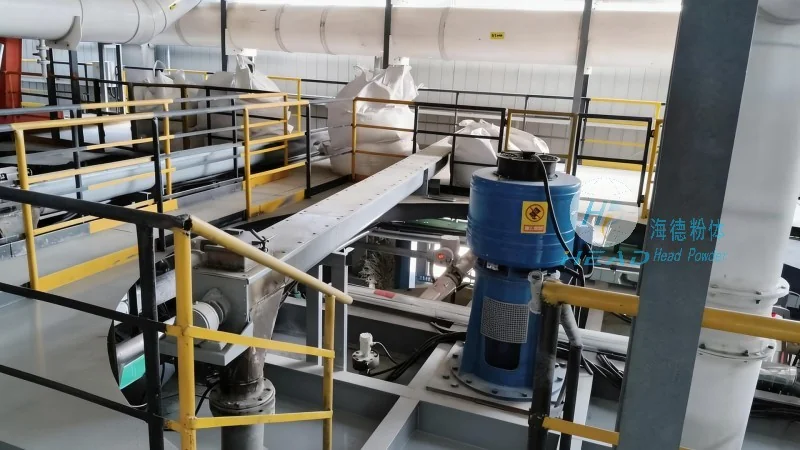
The selection between dilute-phase and dense-phase conveying is the most consequential design decision. Dilute-phase systems operate at high air velocities (typically 20–35 m/s) and low solids-to-air ratios, suspending particles in the airstream. For corn pellets, this approach offers simplicity and lower initial cost, but it carries risks of pellet degradation (fines generation), pipe erosion at bends, and higher energy consumption per ton. Dense-phase conveying, on the other hand, moves material at lower velocities (2–8 m/s) using compressed air to push plugs or slugs of pellets through the pipeline. This method significantly reduces particle attrition and pipe wear, while lowering air volume requirements. However, dense-phase systems require higher pressure (up to 6 bar) and more sophisticated control valves. For feed grade corn pellets where intact particle size is critical, dense-phase is generally recommended. In many headpowder installations for large feed mills, we have observed that dense-phase systems reduce fines generation by over 70% compared to high-velocity dilute systems, while cutting energy costs by up to 30% over a five-year lifecycle. Nevertheless, for short distances (under 50 meters) where degradation is less of a concern, a well-designed dilute-phase system with gentle bends can still be an economical and effective choice.
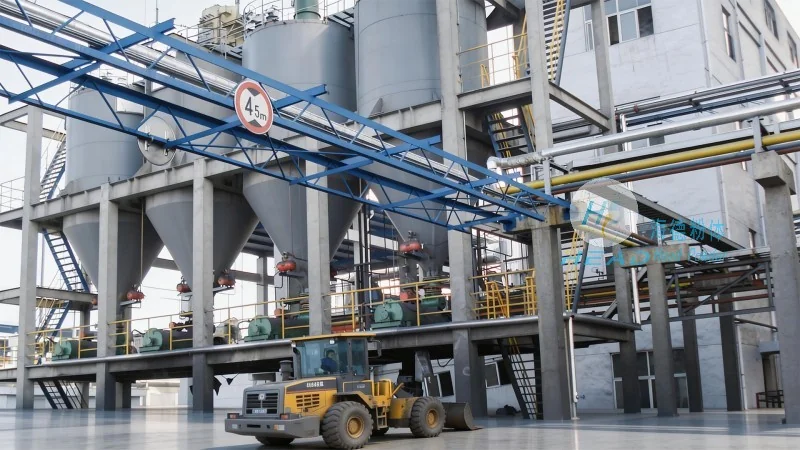
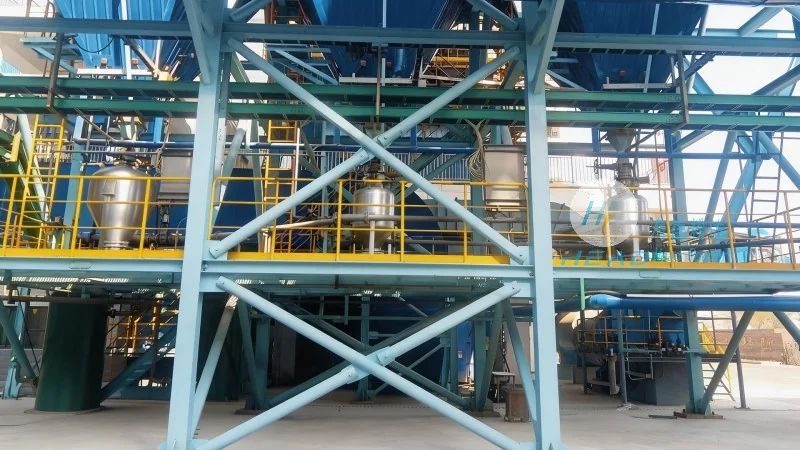
A complete pneumatic conveying system for corn pellets consists of several critical components, each requiring careful specification. The feeding device must provide consistent, regulated entry of pellets into the conveying line. Rotary airlock valves with reinforced blades and abrasion-resistant coatings are standard, with rotor tip speeds kept below 12 m/s to minimize pellet impact. For dense-phase systems, pressure vessels (blow tanks) with pinch valves or dome valves are preferred for batch or semi-continuous feeding. The conveying pipeline material is a key consideration—mild steel with a hardened inner surface (e.g., Cerafuse or basalt-lined) is common for high-wear applications. The ideal pipe diameter for corn pellets ranges from 80 mm to 200 mm, with bend radius at least 8 times the pipe diameter to reduce impact. Filters and cyclones at the discharge end must handle significant dust loads; cartridge filters with a filter area of at least 10 m² per ton per hour of conveying capacity are recommended. The blower or compressor selection depends on system pressure: positive displacement blowers for low-pressure dilute systems (up to 1 bar), and screw or reciprocating compressors for high-pressure dense systems. At headpowder, we integrate variable frequency drives on blower motors to match actual conveying demand, reducing part-load energy consumption by 15–25% based on field data from recent installations.
Accurate calculation of conveying parameters ensures reliable performance and avoids costly oversizing. The two most critical parameters are the solids loading ratio (mass of solids per mass of air) and the conveying velocity at the pickup point. For corn pellets in dilute-phase, a loading ratio of 2–8 is typical; for dense-phase, ratios of 20–60 are achievable. The minimum conveying velocity must exceed the saltation velocity, which for corn pellets is around 12–15 m/s depending on particle size. A common mistake is designing for excessively high safety factors, leading to unnecessary energy waste. Headpowder engineers use pressure drop models that account for straight pipe sections, bends, vertical lifts, and diverter valves. Each 90-degree long-radius bend can contribute 5–10% additional pressure loss compared to an equivalent straight length. Vertical conveying requires 50–100% more pressure per meter than horizontal due to the static head of solids. In a recent project for a 30-tonnes-per-hour corn pellet feed system spanning a 200-meter horizontal distance with a 15-meter lift, the calculated total pressure drop was 0.8 bar for dense-phase. Actual commissioning results matched the model within 5% deviation, validating the design methodology.
Physical layout significantly affects system longevity and maintenance frequency. For corn pellets, minimizing the number of direction changes is paramount. Where bends are unavoidable, long-radius (minimum 1.5 m for 100 mm pipe) or short-radius bends with replaceable wear plates should be specified. Horizontal runs should be sloped slightly (1–2 degrees) to aid drainage and prevent accumulation. Vertical risers must be designed with a smooth entry transition to avoid material collapsing back. Diverter valves (Y-branches) should be of the plug-type rather than flap-type to prevent pellet pinching and breakage. Headpowder recommends installing inspection ports at every 30–50 meters on main lines and before and after all bends. In a 2025 installation for a Midwest U.S. feed mill, our team rerouted the original layout to eliminate three unnecessary 90-degree elbows, reducing measured fines generation from 4.5% to under 1.2%. Simple layout optimizations often yield the greatest return on investment.
Corn pellets are hygroscopic; even a 1% increase in moisture content can alter flow characteristics and increase the risk of bridging inside the conveying line. In regions with high ambient humidity, pre-conditioning the pellets with a surface-active agent (e.g., lecithin at 0.1–0.3% by weight) can reduce friction and dust. Additionally, the conveying air should be dehumidified to a dewpoint of at least 10°C below the average ambient temperature. Headpowder systems often include an inline moisture sensor at the feeder to adjust blow-off cycles. For systems handling pellets destined for extrusion or pelleting processes, maintaining moisture uniformity within ±0.3% is achievable with close-loop control. Data from our technical reference library shows that proper moisture management alone can reduce overall system maintenance costs by 18% over a three-year period due to less line plugging and reduced pneumatic valve wear.
Even well-designed systems can experience issues. The most frequent failure mode for corn pellet conveying is line blockage at startup or after a shutdown. This often results from insufficient purge time before product introduction. A standard procedure is to run a complete air-only cycle for at least 30 seconds before feeding pellets, and to maintain a minimum conveying velocity of 14 m/s during restart. Another common problem is erosion at the bottom of horizontal pipes due to pellet sliding at low velocities—installing a sacrificial wear strip or ceramic tiles in the first 3–5 meters after each bend resolves this. Degradation causing excessive fines can often be traced to high velocity in the pickup zone; reducing the blower frequency by 5–10 Hz while maintaining stable conveying is the first mitigation step. Headpowder's comprehensive commissioning checklist includes a 72-hour continuous operation test with material sampling at the inlet and outlet to verify degradation rates against the agreed specification. In one documented case for a poultry feed producer, this test revealed a localized turbulence issue at a poorly designed transition piece, which was replaced with a tapered section—reducing fines from 2.8% to 0.9%.
Pneumatic conveying systems for corn pellets must comply with applicable safety and design standards. The European Standard EN 13463 for non-electrical equipment in potentially explosive atmospheres may apply if dust is considered combustible. While corn dust is not as explosive as some grain dusts, the standard requires proper earthing of all metal parts, antistatic filter media, and explosion venting panels on the filter receiver. In the U.S., NFPA 61 (Standard for the Prevention of Fires and Dust Explosions in Agricultural and Food Processing Facilities) provides detailed guidance. Headpowder systems are designed with pressure-relief valves set at 120% of maximum operating pressure, and all electrical components are IP65 rated. Regular visual inspections of pipe wall thickness (minimum 3 mm for carbon steel) and filter bag integrity should be documented every 500 operating hours. Implementing these standards not only ensures operational safety but also aligns with insurance requirements for industrial facilities handling organic materials.
To illustrate the practical impact of careful pneumatic conveying design, consider a 2024 project where headpowder supplied a turnkey system for a large-scale ethanol production facility in the Netherlands that processes 40 tonnes per hour of corn pellets to feed to boilers. The original dilute-phase system suffered from excessive pellet breakage (over 8% fines), causing combustion inefficiency and increased ash handling costs. Our team retrofitted the system to a dense-phase configuration using a blow tank with a single 200 mm diameter pipeline over a 300-meter distance with two 90-degree bends. The redesign incorporated a custom flow distributor at the discharge to split material evenly into four boiler feed hoppers. After commissioning, fines content dropped to 1.5%, and the plant reported a 12% reduction in compressed air consumption compared to the previous system. The return on investment was achieved within 14 months based on reduced energy costs and lower maintenance labor. This case underscores the value of site-specific engineering rather than generic system sizing.
As the global demand for biomass pellets expands, the pneumatic conveying technology for corn pellets continues to evolve. The industry is moving toward smart monitoring systems that integrate real-time pressure, flow, and vibration sensors with predictive maintenance algorithms. By 2026, it is expected that over 60% of new industrial conveying installations will include some form of IoT connectivity. Headpowder is actively developing a digital twin platform that simulates the entire conveying process, allowing operators to test changes without interrupting production. Additionally, innovations in pipe lining materials, such as polyurethane-based composites with 90% greater abrasion resistance than steel, are becoming commercially viable. Energy recovery systems that capture waste heat from compressors for use in pellet drying processes are also gaining traction. For facilities planning to upgrade in the next two to three years, integrating these technologies during the design phase can yield operational advantages and a shorter payback period.
In conclusion, the pneumatic conveying of corn pellets requires a thorough understanding of material properties, careful selection between dilute and dense phase methodologies, and precise component specification tailored to the specific plant layout. Headpowder has delivered over 250 successful pneumatic conveying projects worldwide, with a proven track record in the agricultural processing and bioenergy sectors. Our engineering team combines computational fluid dynamics (CFD) modeling with hands-on commissioning experience to ensure that each system meets exact performance criteria—whether that is minimal degradation, energy efficiency, or maximum throughput. For any organization seeking to install or upgrade a corn pellets pneumatic conveying system, we recommend starting with a detailed material test and feasibility study. (咨询热线:156-6277-7102) The path to reliable, low-maintenance bulk handling begins with a solid technical specification and a trusted partner who understands both the science and the real-world operation of these systems.

 Shandong headpowder Engineering Co., Ltd.
 156-6277-7102(Manager Zhang)
  0531-83386006
  Jinan City, Shandong Province, China
服务热线
微信咨询
回到顶部