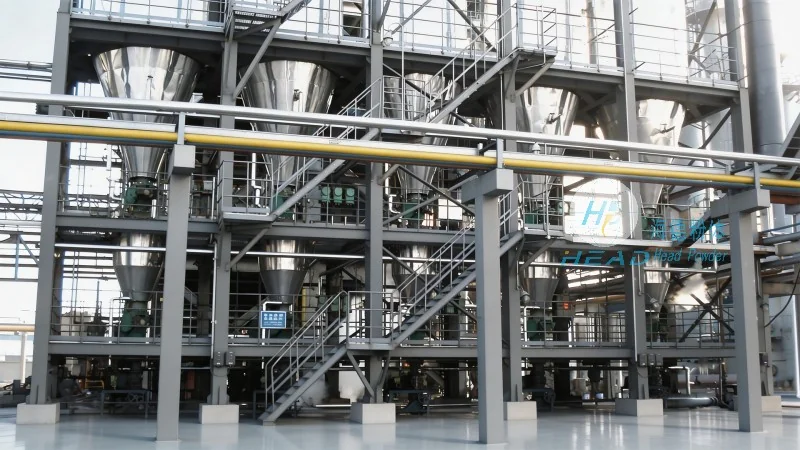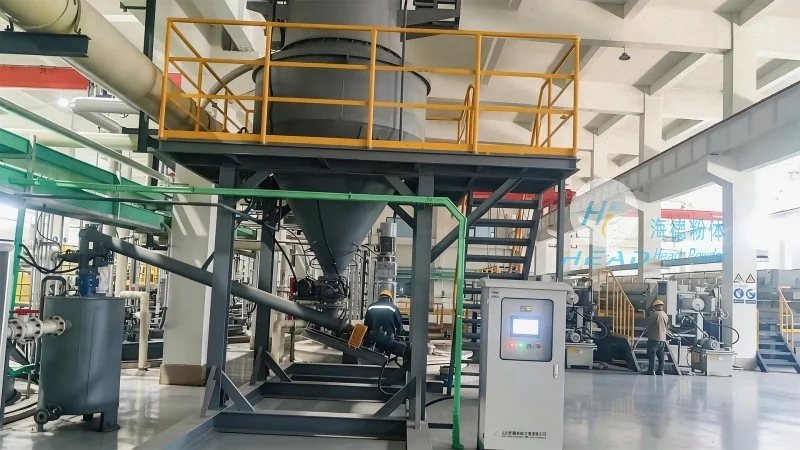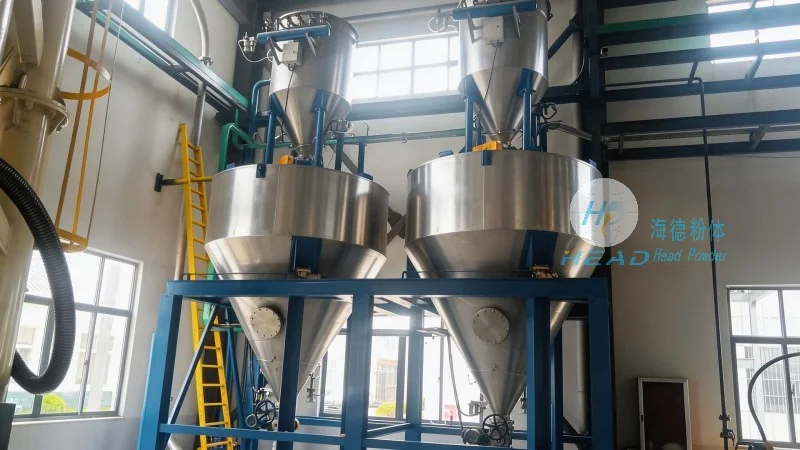

Carbon black is one of the most challenging bulk solids to handle in industrial pneumatic conveying systems. Its low bulk density, extreme fineness, high abrasiveness, and tendency to agglomerate or generate static electricity demand a specialized engineering approach that goes far beyond standard dilute-phase or dense-phase designs. As global carbon black production continues to grow, driven by tire manufacturing, rubber goods, plastics, and coatings industries, the need for reliable, energy-efficient, and environmentally compliant pneumatic conveying solutions has never been more urgent. This article provides a comprehensive technical analysis of carbon black powder pneumatic conveying system equipment solutions, covering system architecture, component selection, safety protocols, and performance optimization strategies. By examining real-world operational parameters and industry best practices, we aim to equip plant engineers and decision-makers with the knowledge needed to specify, evaluate, and maintain a conveying system that minimizes downtime, reduces energy consumption, and ensures product quality throughout the transport process.
The handling of carbon black presents unique physical and chemical properties that directly influence conveying behavior. Typically, carbon black has a bulk density ranging from 0.04 to 0.5 g/cm³ depending on the grade, with primary particle sizes often below 100 nanometers. Such fine particles exhibit strong van der Waals forces, leading to poor flowability, bridging, and rat-holing in storage hoppers. Moreover, the material is highly abrasive, causing rapid wear in piping bends and rotary valves. Many grades are also conductive, raising electrostatic discharge risks in dry conveying environments. To address these challenges, a properly engineered pneumatic conveying system must balance air velocity, pressure drop, material-to-air ratio, and filtration efficiency. According to the latest industry data from 2026, the global carbon black market is projected to exceed 20 million metric tons annually, with Southeast Asia and the Middle East showing the fastest capacity expansions. This growing output demands conveying systems capable of handling throughputs ranging from 2 to 50 tons per hour while maintaining strict emission standards and low operating costs.
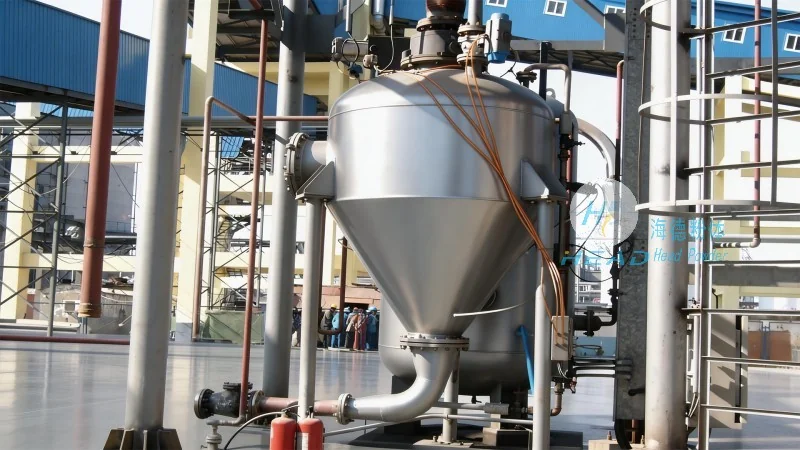
Selecting the correct conveying phase is the first critical decision. Dilute-phase conveying, where material is suspended in high-velocity air, is common for short distances and low capacities but often results in higher particle degradation and pipe wear. For carbon black, dense-phase conveying at low velocities (under 5 m/s) is generally preferred because it reduces attrition and minimizes air consumption. However, the cohesive nature of carbon black makes it prone to plugging in dense-phase systems if the air injection point design is not optimized. headpowder has developed a proprietary pressure vessel discharge arrangement that stages air injection to fluidize the material bed gradually, preventing slug formation while maintaining stable conveying pressure. This approach has been validated in multiple installations handling N330 and N660 grades, achieving consistent throughput rates with less than 2% variation over eight-hour continuous runs. A key metric to monitor is the solids loading ratio, which for carbon black dense-phase conveying typically ranges between 10 and 30 kg of material per kg of air, depending on pipe diameter and conveying distance. Exceeding 30 often leads to unstable flow, while ratios below 10 waste compressed air and increase energy costs.

Every component in a carbon black pneumatic conveying system must be chosen with abrasion resistance and flow assurance in mind. The conveying pipeline should be constructed from wear-resistant materials such as ceramic-lined steel or duplex stainless steel, especially in elbow sections where impact abrasion is most severe. Standard carbon steel bends may fail within three months under continuous carbon black service. Ceramic tile bends, with a minimum hardness of Rockwell 60, can extend service life beyond two years under similar conditions. The rotary airlock valve is another high-wear component; a drop-through design with hardened tips and adjustable clearance helps maintain sealing efficiency as wear progresses. Alternatively, blow-through valves with integrated aeration nozzles can improve material entry into the conveying line, reducing backflow and air leakage. For filtration, high-efficiency cartridge collectors with PTFE membrane media are recommended to capture submicron particles. The filtration velocity should be kept below 1.5 m/min to prevent blinding, with pulse-jet cleaning triggered by differential pressure rather than timed intervals to adapt to actual loading variations. headpowder integrates a smart control system that monitors pressure transmitters at multiple points along the line and adjusts the cleaning frequency in real time, reducing compressed air consumption by up to 25% compared to fixed-cycle systems.


Carbon black is classified as an organic dust that can form explosive mixtures when dispersed in air. The minimum explosive concentration (MEC) for carbon black is typically around 50 g/m³, and the minimum ignition energy (MIE) can be as low as 10 mJ, especially for high-surface-area conductive grades. Therefore, any pneumatic conveying system must incorporate passive and active safety measures. The conveying line should be grounded at intervals not exceeding 3 meters, using stainless steel grounding lugs welded directly to the pipe. Bonding straps across flanges are mandatory to eliminate static accumulation. For systems handling conductive carbon black, headpowder recommends installing an isolated section of non-conductive pipe—approximately 1 meter in length—near the filter receiver to interrupt ground loops that could cause sparking during high-resistance conditions. Additionally, explosion venting panels must be sized according to NFPA 61 and EN 14491 standards, with a vent area typically calculated at 0.1 m² per cubic meter of enclosure volume for carbon black. Inert gas blanketing, using nitrogen or carbon dioxide, is advisable for systems where oxygen concentration cannot be maintained below 8% by volume. headpowder’s skid-mounted conveying modules come pre-fitted with oxygen analyzers and automatic nitrogen purge valves, ensuring compliance with ATEX and IECEx directives for Zone 20 and Zone 21 areas.
Energy consumption represents a significant portion of total operating costs in carbon black pneumatic conveying. A typical dense-phase system operating at 6 bar g consumes between 8 and 12 kWh per ton of material conveyed over a 100-meter distance. Optimizing air usage is therefore paramount. Variable-speed drive compressors that modulate supply pressure based on real-time demand can reduce energy bills by 15% to 30%. Another effective strategy is to implement multi-point injection along the pipeline: for conveying distances exceeding 200 meters, primary air at the feed point combined with boosters every 30–50 meters maintains velocity without excessive initial pressure. headpowder has developed an adaptive booster control algorithm that uses pressure gradient detection to activate boosters only when material velocity drops below a threshold, avoiding unnecessary air consumption. Field data from a carbon black plant in Thailand processing 12 tons per hour showed that this approach lowered specific energy from 11.2 kWh/ton to 8.7 kWh/ton, a 22% improvement, while maintaining product quality consistent with feed specifications. Regular leak detection audits using ultrasonic sensors should be performed quarterly, as even a 3 mm diameter hole in a high-pressure line can waste over 20,000 kWh annually.
One of the most demanding applications involves conveying carbon black grades with specific surface areas exceeding 300 m²/g, such as those used in high-performance tire tread compounds. These grades have extreme cohesiveness and tend to build up rapidly on pipe walls, reducing effective cross-section and causing capacity drops. In a recent project for a specialty chemicals manufacturer, headpowder designed a complete system incorporating a vibrated hopper discharge, a twin-screw feeder with variable speed control, and a dense-phase sender vessel with a fluidizing cone at the bottom. The conveying line was 180 meters long with five 90-degree bends, all lined with industrial-grade ceramic. A key innovation was the use of a split-flow air injection manifold that introduced 30% of the conveying air tangentially into the sender vessel to create a swirling fluidized bed before the main air pulse. This eliminated the frequent bridging issues observed in the client’s previous dilute-phase system. After commissioning, the new system achieved a consistent throughput of 8.5 tons per hour at a solids loading ratio of 22, with no unscheduled downtime in the first eight months of operation. The client reported a 40% reduction in compressed air usage compared to their legacy setup, translating to annual savings of approximately USD 65,000 at local utility rates.
Many plant engineers underestimate the impact of moisture on carbon black flowability. Even trace amounts of condensation can cause agglomeration that clogs filters and blocks conveying lines. The conveying air should be dried to a pressure dew point of -20°C or lower, achieved through a regenerative desiccant dryer with a purge recovery option. In humid climates, insulating the conveying line and maintaining a slight positive pressure during shutdowns helps prevent internal condensation. Another frequent mistake is oversizing the pipeline to reduce pressure drop, which paradoxically decreases conveying velocity in dense-phase systems and leads to settling. Pipe diameter should be calculated using the solids loading ratio and desired velocity window, typically 4–6 m/s for dense-phase carbon black. headpowder utilizes computational fluid dynamics (CFD) modeling during the design phase to simulate particle trajectories and pressure distribution, ensuring the selected diameter delivers stable flow across the expected throughput range. Clients who request third-party verification often find that CFD-based designs outperform rule-of-thumb sizing by at least 15% in capacity consistency.
Predictive maintenance is far more cost-effective than reactive repairs in carbon black conveying systems. The most vulnerable components are bends, rotary valves, and filter bags. headpowder recommends installing wear-monitoring probes at critical elbow locations—thin-film sensors embedded in the ceramic lining that provide real-time thickness data—connected to a central PLC. When remaining liner thickness drops below 3 mm, a maintenance alert is triggered, allowing replacement during planned outages rather than emergency shutdowns. For rotary valves, periodic clearance checks and tip replacement at intervals of 6 to 12 months, depending on grade abrasiveness, will maintain consistent airlock efficiency. Filter bags should be inspected for pinholing every three months using a light-back inspection method; a single pinholed bag can increase particulate emissions above regulatory limits. Headpowder’s remote monitoring platform, included with all new system installations, provides a dashboard showing wear trends, energy consumption, and filter differential pressure, enabling maintenance teams to shift from schedule-based to condition-based servicing. This approach has been shown to reduce total maintenance costs by up to 35% over a five-year lifecycle.
The next frontier in carbon black pneumatic conveying is the integration of digital twin technology. By creating a virtual replica of the conveying system that runs on real-time sensor data, operators can simulate changes in throughput, grade, or pipe routing without interrupting production. headpowder is currently piloting a machine learning model that predicts the onset of pipeline blockages up to 15 minutes in advance by analyzing pressure wave patterns. The model has been trained on data from over 200,000 operating hours across different carbon black grades and achieves a 92% prediction accuracy with a false positive rate under 4%. When a potential blockage is detected, the control system automatically increases air boost pressure at the downstream booster for 10 seconds, clearing the incipient plug without operator intervention. As AI control matures, we anticipate that fully autonomous conveying systems will become standard in new carbon black plants, with human roles shifting to oversight and strategic optimization. For existing facilities, retrofitting IoT sensors and a cloud-based analytics layer can unlock 5–10% additional throughput without capital expenditure on new hardware.
Implementing a carbon black pneumatic conveying system requires deep domain expertise that generalist material handling companies often lack. headpowder has dedicated over a decade to solving the unique challenges of carbon black, from ultra-low-density thermal black to high-structure furnace grades. Every system is engineered to meet specific throughput, distance, layout, and regulatory requirements, with a standard warranty of 24 months on mechanical components. Our engineering team includes certified process engineers who have contributed to the development of industry guidelines for carbon black handling under the International Carbon Black Association (ICBA). We invite plant managers and project leads to share their operational parameters—including grade specifications, required capacity, and available utilities—for a preliminary system evaluation and budget estimate. headpowder (咨询热线:156-6277-7102) can provide references from over 60 completed installations across Asia, the Middle East, and Europe, including recent projects handling throughputs up to 45 tons per hour for carbon black masterbatch production.
In an industry where every ton of carbon black must be conveyed reliably, safely, and cost-effectively, the right system solution is not a commodity purchase but a long-term operational investment. From initial design through commissioning, training, and ongoing support, focusing on component quality, precise airflow control, and predictive maintenance yields measurable returns in reduced downtime, lower energy bills, and consistent product quality. As market demands continue to rise, upgrading to a modern dense-phase conveying system with digital monitoring capabilities positions producers to meet both production targets and environmental compliance standards. headpowder remains committed to advancing pneumatic conveying technology for carbon black and other challenging powders, helping our customers achieve sustainable growth through engineering excellence.
Shandong headpowder Engineering Co., Ltd.
156-6277-7102(Manager Zhang)
0531-83386006
Jinan City, Shandong Province, China 
服务热线
微信咨询
回到顶部