News
Rich project cases across industries, showing real implementation and proven technical strength.The industrial processing of titanium ore powder presents a unique set of material handling challenges that demand specialized engineering solutions. Titanium ore, often reduced to a fine powder during beneficiation, exhibits characteristics such as high abrasiveness, significant density variations, and a tendency toward moisture absorption and agglomeration. These properties make conventional mechanical conveying methods—such as belt conveyors, screw conveyors, or bucket elevators—prone to frequent maintenance issues, spillage, dust generation, and material degradation. The demand for efficient, enclosed, and automated material transfer has grown substantially, particularly as industries like aerospace pigments, titanium dioxide production, and advanced alloy manufacturing continue to expand globally. According to industry analysis for 2026, the global market for pneumatic conveying systems in mineral processing is projected to grow at a compound annual rate exceeding 6%, driven by stringent environmental regulations and the need for higher process automation. In this context, selecting a robust pneumatic conveying system tailored to the specific rheological and physical properties of titanium ore powder becomes not merely a convenience but a strategic operational decision. The system must handle fine particles without segregation, minimize pipeline wear, maintain consistent feed rates, and operate reliably under varying humidity and temperature conditions. Headpowder has dedicated significant research and engineering resources to address these exact challenges, developing a comprehensive pneumatic conveying system solution that balances energy efficiency, material integrity, and long-term durability. This article provides an in-depth examination of the technical considerations, system architecture, component selection, and application examples relevant to titanium ore powder pneumatic conveying, offering plant managers and process engineers actionable insights for system design and optimization.
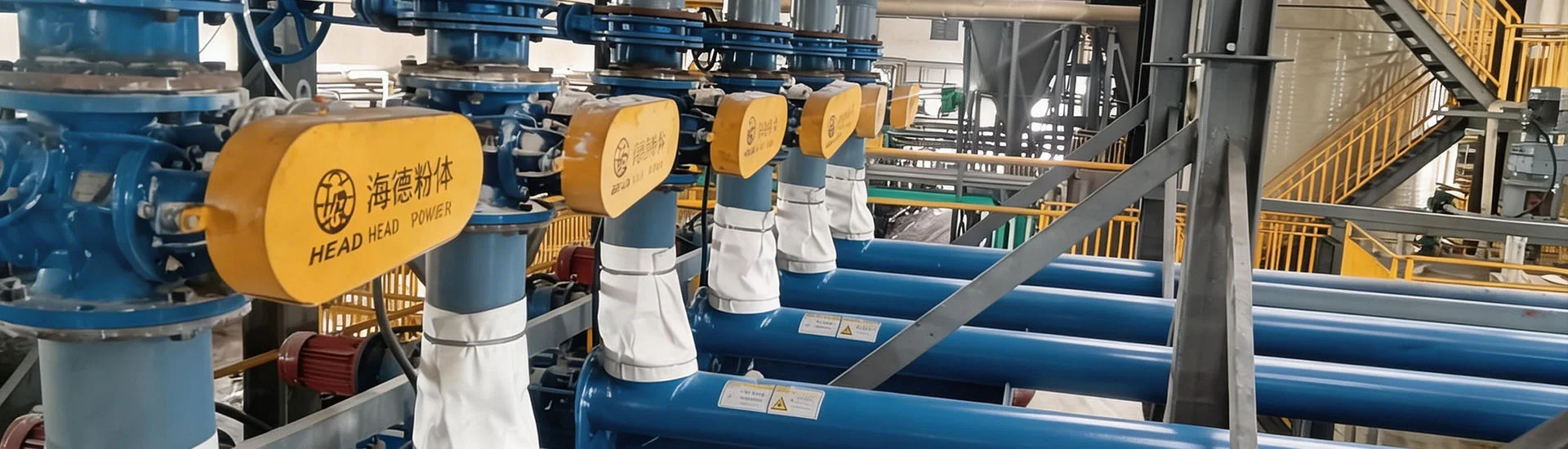
Pneumatic conveying relies on the flow of air or inert gas through a pipeline to transport bulk solid materials from one point to another. For titanium ore powder, the selection between dilute phase and dense phase conveying is critical and depends on particle size distribution, moisture content, and abrasiveness. Dilute phase conveying, where particles are suspended in a high-velocity airstream, is suitable for non-fragile materials but can lead to significant pipe wear when handling abrasive titanium ore. Dense phase conveying operates at lower velocities, pushing material as a slug or plug through the pipeline, which substantially reduces attrition and equipment erosion.
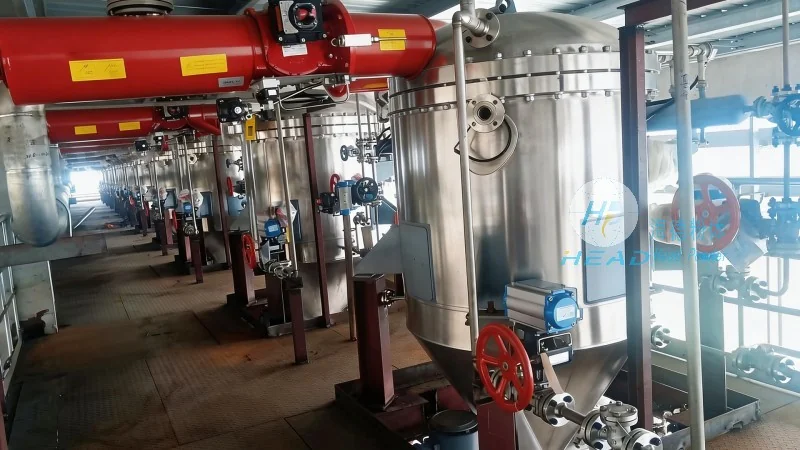
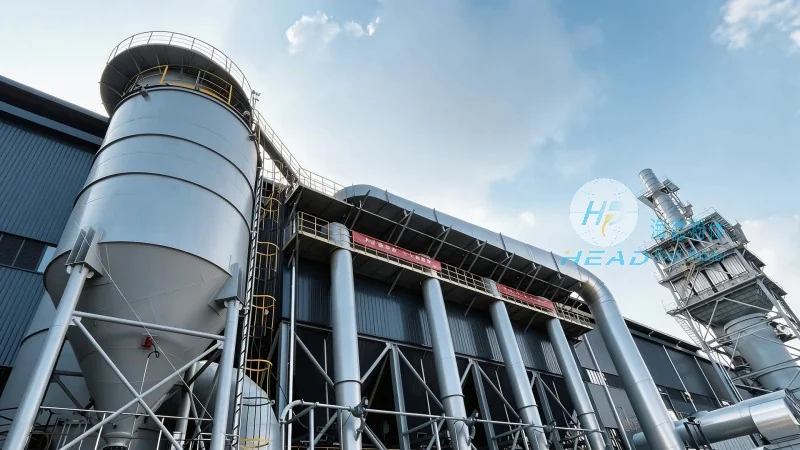
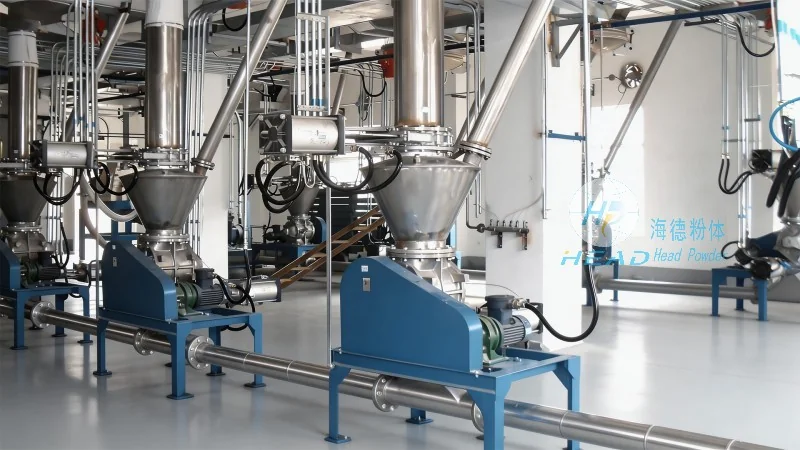
A well-designed titanium ore powder pneumatic conveying system integrates several critical components, each selected to withstand abrasive wear and maintain consistent performance. The system typically begins with a feed hopper equipped with a rotary airlock or screw feeder that meters material into the conveying line at a controlled rate. The choice of feeder directly impacts system reliability, as improper metering can cause line blockages or pressure fluctuations.
For the air-moving equipment, positive displacement blowers are commonly employed for dilute phase systems, while dense phase systems often utilize compressed air with a pressure vessel arrangement. Pipeline material selection deserves special attention. Standard carbon steel pipes suffer rapid wall thinning when conveying titanium ore powder. Headpowder recommends utilizing heat-treated alloy steel or ceramic-lined pipes in high-wear zones, such as bends and blow-through points, extending service life by up to three times compared to unlined options. The pipeline layout should minimize the number of elbows and incorporate long-radius bends where possible to reduce particle impact energy and associated wear.
Separation equipment at the discharge end typically includes a cyclone separator followed by a baghouse or cartridge dust collector. For titanium ore powder, which often contains submicron fines, high-efficiency filtration with pulse-jet cleaning is necessary to meet emission standards and recover valuable product. The selection of filter media must account for particle shape and electrostatic tendencies, with anti-static and oleophobic treatments recommended for certain ore grades.
Proper system sizing begins with accurate characterization of the titanium ore powder being handled. Key physical properties include bulk density (typically ranging from 1.2 to 2.8 g/cm³ depending on ore grade and moisture), particle size distribution (often with d50 between 20 and 150 microns), angle of repose, and abrasiveness index. Conveying velocity is a critical parameter: too low and material settles, causing blockages; too high and wear accelerates dramatically.
For dilute phase conveying of titanium ore powder, transport velocities typically range from 18 to 28 meters per second, depending on pipeline diameter and material density. Dense phase systems operate at much lower velocities, generally between 3 and 8 meters per second, which significantly reduces component wear. The conveying pressure required is a function of pipeline length, elevation change, number of bends, and material characteristics. A typical system for titanium ore powder might operate at pressures from 0.5 to 2.5 bar for dilute phase and up to 4 bar for dense phase applications.
Air-to-material ratio is another fundamental design parameter. For titanium ore powder, typical values range from 1.5 to 4.0 kg of air per kg of material, depending on conveying phase and distance. Headpowder utilizes proprietary simulation software that incorporates Computational Fluid Dynamics (CFD) and Discrete Element Method (DEM) modeling to predict flow patterns, pressure drops, and wear distribution before any equipment is fabricated. This approach reduces commissioning risk and ensures the system meets performance guarantees.
The high abrasiveness of titanium ore powder makes wear management central to system design. Even with optimized velocities and component selection, some wear is inevitable. A proactive maintenance strategy includes routine inspection of critical wear points using ultrasonic thickness measurement and borescope examination of pipe interiors. Headpowder recommends scheduling pipeline rotation at regular intervals, typically every 6 to 12 months depending on throughput, to distribute wear evenly and extend overall system life.
Pipe bends experience the most severe wear due to particle impact. Several solutions exist, including blind tee arrangements that create a sacrificial wear zone, replaceable wear-back elbows with thicker walls in the impact area, and ceramic tile-lined bends that can withstand years of abrasive service. For straight pipe sections, the use of induction-hardened or quenched and tempered steel pipes provides improved wear resistance over standard seamless pipes.
Seal integrity throughout the system is equally important. Rotary airlocks require regular inspection of tip clearances and housing wear, while diverter valves and slide gates must maintain tight shutoff to prevent air leakage that disrupts conveying dynamics. Headpowder systems are designed with accessible maintenance points and standardized wear parts to minimize downtime. Field data from installations processing over 200,000 tons of titanium ore powder annually demonstrate that properly maintained systems achieve mechanical availability above 96%.
Several technology trends are shaping the future of pneumatic conveying for mineral powders. One significant development is the integration of predictive maintenance using IoT sensors that monitor vibration, temperature, pressure, and acoustic emissions in real time. These systems can forecast component failure before it occurs, allowing planned interventions rather than emergency shutdowns. By 2026, it is estimated that over 40% of new mineral processing installations will incorporate some form of predictive monitoring for conveying systems.
Another notable advancement is the use of variable frequency drives (VFDs) on blower and compressor motors, enabling precise control of conveying velocity and pressure based on real-time demand. This not only reduces energy consumption by 15-25% compared to fixed-speed operation but also minimizes unnecessary wear during low-throughput periods. Headpowder has implemented VFD-based control architecture in several recent projects, achieving significant operational cost savings for clients.
Environmental compliance continues to drive innovation in dust containment and filtration. New regulations in major mining regions are pushing emission limits below 5 mg/Nm³ for particulate matter. Achieving these levels requires advanced filtration media with high collection efficiency and robust cleaning systems. Headpowder has developed a proprietary filter cleaning sequence that optimizes pulse duration and frequency based on differential pressure, reducing compressed air consumption by up to 30% while maintaining emission compliance.
The trend toward modular and skid-mounted system designs is also gaining traction. Pre-fabricated modules reduce on-site installation time, minimize construction risks, and allow factory acceptance testing before shipment. For titanium ore powder applications, modular designs must carefully consider thermal expansion, structural rigidity, and access for maintenance. Headpowder's modular conveying packages are designed with standardized interfaces that simplify future expansion or reconfiguration as production demands evolve.
To illustrate the practical application of these principles, consider a recent installation at a mineral processing facility handling approximately 80 tons per hour of titanium ore powder with a bulk density of 1.9 g/cm³ and a d50 particle size of 45 microns. The conveying distance was 220 meters horizontally with 18 meters of vertical lift, including six 90-degree bends. The system was designed as a dilute phase configuration with a conveying velocity of 22 m/s, using a positive displacement blower rated at 250 kW. Ceramic-lined bends were specified at all wear-critical locations.
After 18 months of continuous operation, inspection revealed that pipe wall thickness in straight sections had reduced by an average of only 1.2 mm, while ceramic-lined bends showed negligible wear. System availability exceeded 97%, and product degradation was measured at less than 0.5% increase in fines content. Energy consumption averaged 2.8 kWh per ton of material conveyed, which was 12% lower than the client's target. This performance validates the design approach and component selection methodology.
Another case involved a dense phase system for a titanium dioxide precursor material with a higher moisture content (up to 3.5%) and a tendency to adhere to pipe walls. The solution employed a blow tank system with a conical discharge and fluidizing nozzle arrangement to promote consistent material flow. Conveying velocity was maintained at 6 m/s, and pipe diameters were increased by one nominal size compared to standard calculations to accommodate reduced flowability. The system has operated reliably for over three years with only routine maintenance.
Integrating a pneumatic conveying system into an existing production environment requires careful attention to interfaces with upstream and downstream equipment. The feed system must provide a consistent and uninterrupted material stream, which often involves live-bottom hoppers or vibratory feeders to prevent bridging in storage vessels. At the discharge end, surge bins with level control ensure downstream processes receive a steady supply without starving or overfeeding.
Control system architecture is equally important. Modern conveying systems utilize PLC-based control with HMI interfaces that provide real-time visualization of material flow, pressure profiles, and equipment status. Advanced systems incorporate automatic tuning of conveying parameters based on material properties and throughput targets. Headpowder offers a control platform that integrates seamlessly with plant DCS or SCADA systems, enabling centralized monitoring and optimization.
Safety considerations cannot be overlooked. Titanium ore powder, while not typically classified as flammable, can generate static electricity during pneumatic transport. Proper grounding and bonding of all system components are essential. Additionally, if the powder contains fine fractions below 10 microns, dust explosion prevention measures such as explosion venting, suppression, or inerting should be evaluated based on dust cloud explosion characteristics. Headpowder conducts thorough hazard assessments for each installation and incorporates appropriate safeguards.
When evaluating pneumatic conveying systems for titanium ore powder, total cost of ownership (TCO) provides a more complete picture than initial capital expenditure. TCO includes energy consumption, maintenance labor and parts, downtime losses, and product degradation costs. A system with lower initial cost but higher energy use and more frequent maintenance will often prove more expensive over a five- to ten-year operating horizon.
Energy optimization offers significant savings potential. Using computational modeling to optimize pipe routing, minimize unnecessary bends, and select the appropriate conveying phase can reduce energy consumption by 20-40% compared to rule-of-thumb designs. Headpowder's engineering team routinely achieves such improvements through systematic analysis of each project's unique parameters. For high-throughput installations, these savings can amount to hundreds of thousands of dollars annually.
Maintenance optimization through component standardization, accessible design, and predictive diagnostics further reduces TCO. By selecting wear components with proven service life in titanium ore applications, plant operators can budget maintenance activities predictably and avoid costly emergency repairs. Headpowder provides detailed maintenance schedules and remote monitoring services that help clients optimize their maintenance programs.
The successful pneumatic conveying of titanium ore powder demands a thorough understanding of material characteristics, careful system design, and rigorous component selection. As the mineral processing industry continues to evolve toward higher automation, stricter environmental compliance, and greater operational efficiency, the role of reliable conveying technology becomes increasingly central to plant performance. The trends shaping 2026 and beyond—predictive maintenance, energy-optimized controls, modular designs, and advanced filtration—point toward systems that are not only durable but also intelligent and adaptable.
Headpowder brings extensive experience across multiple installations handling titanium ore powder and other abrasive mineral materials. Our engineering approach combines fundamental material science with practical field experience, resulting in solutions that are technically sound and operationally proven. We work closely with clients from concept through commissioning, ensuring that each system is optimized for the specific material properties, throughput requirements, and site constraints. Whether the application involves dilute phase or dense phase conveying, short distances or complex routing, our team has the expertise to deliver reliable and cost-effective solutions. For specific inquiries or to discuss your project requirements, please contact Headpowder directly. (咨询热线:156-6277-7102). We are committed to advancing the performance and reliability of pneumatic conveying systems for the mineral processing industry, one engineered solution at a time.

 Shandong headpowder Engineering Co., Ltd.
 156-6277-7102(Manager Zhang)
  0531-83386006
  Jinan City, Shandong Province, China
服务热线
微信咨询
回到顶部