News
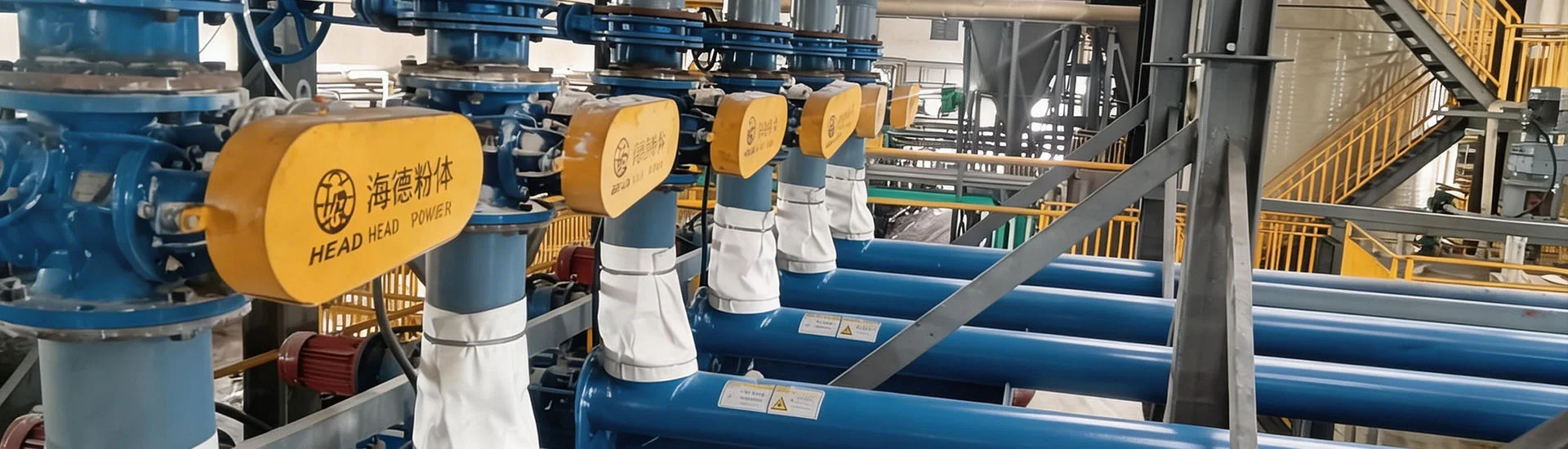
Rich project cases across industries, showing real implementation and proven technical strength.In the modern agricultural processing and bulk material handling industries, pneumatic conveying systems have become indispensable for transporting granular and powdery products efficiently, hygienically, and with minimal mechanical degradation. Among the various grains and seeds processed globally, millet occupies a significant niche due to its high nutritional value, drought resistance, and growing demand in health-conscious markets. The technical specification of millet pneumatic conveying equipment directly influences operational reliability, product quality, and total cost of ownership. This article provides a comprehensive, data-driven analysis of the core parameters, design principles, selection criteria, and industry best practices for millet pneumatic conveying systems, offering actionable insights for plant engineers, procurement specialists, and operations managers seeking to optimize their material handling workflows.
Millet grains typically range in size from 1.5 to 3.5 mm in diameter with a bulk density of approximately 700 to 850 kg/m³, depending on variety and moisture content. The shape is nearly spherical with a smooth outer hull, which gives millet relatively good flowability compared to more irregular seeds. However, millet also exhibits moderate abrasiveness due to its hard outer layer, and it can generate fine dust during handling. These physical properties dictate critical design choices: conveying velocity must be optimized to prevent grain breakage while still ensuring reliable transport; the system must incorporate effective dust collection to meet workplace safety standards; and material contact surfaces should be wear-resistant to extend equipment life. Industry data from 2025–2026 indicates that improperly designed millet conveying systems can cause up to 3–5% grain breakage, directly reducing yield and market value. A well-specified system, by contrast, keeps breakage below 0.5%.
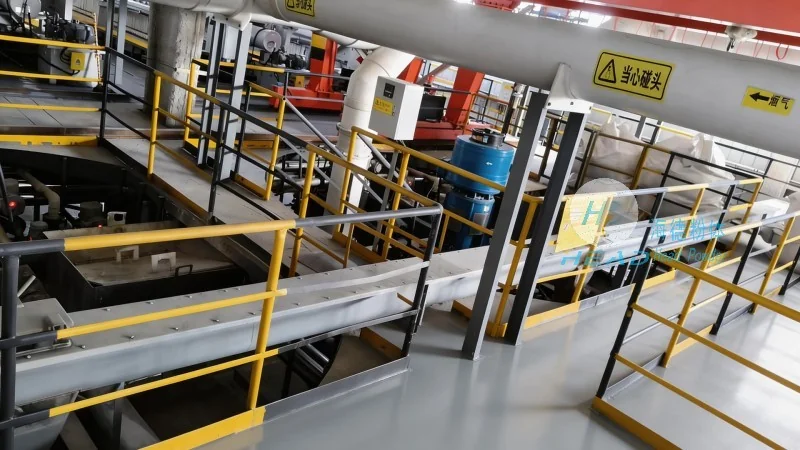
Designing a millet pneumatic conveying system requires precise calculation of several interconnected variables. The following list outlines the most critical parameters and their typical value ranges for millet applications:
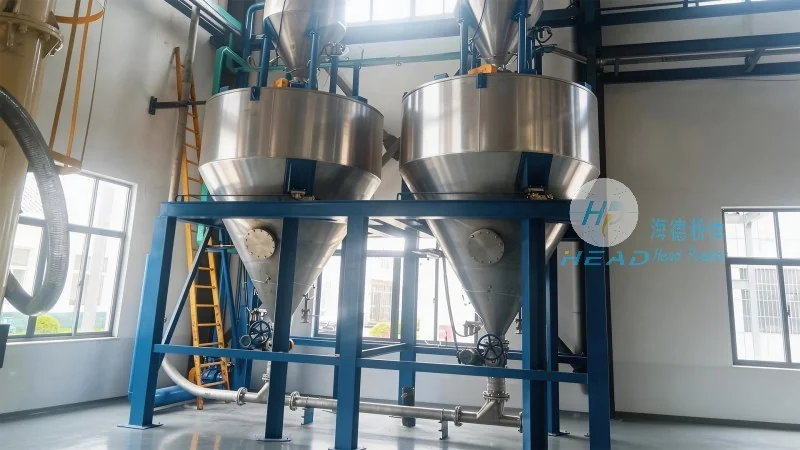
These values assume standard millet with 12% moisture content and ambient conditions. Seasonal variations in moisture (up to 15%) can increase friction and material cohesion, requiring upward adjustment of air velocity by 5–10%.
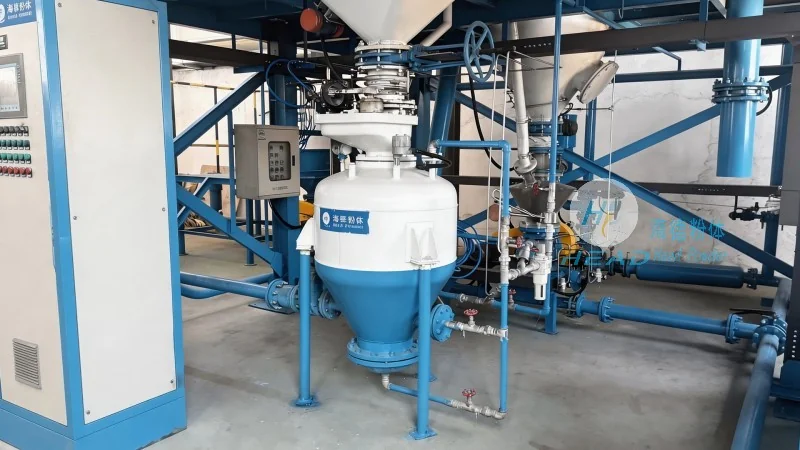
Two primary configurations dominate industrial millet handling: dilute-phase and dense-phase pneumatic conveying. Dilute-phase systems suspend grains in high-velocity air streams and are suitable for shorter distances, higher capacities, and applications where gentle handling is less critical. They are simpler in design and less expensive upfront. Dense-phase systems move millet in plugs or slugs at lower air velocities, significantly reducing grain impact and dust generation. This configuration is preferred for fragile seed varieties or when the product must be protected from damage during long-distance transfer. Recent advances in sensor-controlled air injection have improved dense-phase reliability for millet, achieving consistent plug formation even with varying grain moisture. The choice between these two modes depends on throughput requirements, plant layout, and budget constraints. Many modern facilities employ hybrid solutions that combine both modes in different sections of the conveying network.
The blower is the heart of any pneumatic conveying system. For millet applications, rotary lobe blowers and centrifugal fans are the most common choices. Rotary lobe blowers deliver constant volume at varying pressure, making them ideal for systems with significant backpressure fluctuations. Centrifugal fans, while less expensive, have a flatter pressure curve and may struggle with long horizontal runs or multiple bends. When specifying a blower, engineers must consider air leakage rates (typically 5–10% of total flow in rotary lobe designs), ambient temperature effects on air density, and the need for sound attenuation—millet processing plants often face noise regulations requiring enclosures below 85 dB. Energy consumption is a major operating cost: a well-matched blower can reduce electricity use by 15–25% compared to an oversized unit. For a 10 t/h millet system operating 8,000 hours annually, this translates to savings of over 8,000 kWh per year.
Millet's abrasive nature demands robust component selection. Conveying pipes should be schedule 40 carbon steel with hardened elbows, preferably with replaceable wear backs at every change in direction. Stainless steel (304 or 316) is recommended for food-grade applications where hygiene is paramount. Diverters, rotary valves, and receiving hoppers must feature tapered designs to avoid product accumulation and bridging. The table below summarizes recommended materials for key components:
| Component | Recommended Material | Key Consideration |
|---|---|---|
| Straight pipe sections | Carbon steel, 4–6 mm wall | Wear life 3–5 years |
| Bends (90°) | Hardened cast iron or ceramic-lined | Reduce wear rate by 70% |
| Rotary valves | 304 stainless steel with wear plates | Air leakage <1% |
| Cyclone separators | Carbon steel with abrasion coating | Efficiency >98% at 10 µm |
Regular inspection intervals—every 500 operating hours for elbows and every 1,000 hours for straight sections—prevent unexpected downtime. Advanced plants now integrate ultrasonic wear sensors that provide real-time thickness data, enabling predictive maintenance scheduling.
Millet dust is combustible in high concentrations, making dust explosion prevention a non-negotiable design requirement. The 2025 National Fire Protection Association (NFPA) standards mandate that all millet pneumatic conveying systems incorporate explosion vents, suppression systems, or containment vessels, depending on the facility's risk zone classification. Additionally, electrostatic buildup must be controlled through proper grounding of all metal components and the use of conductive hoses. Air filtration systems—typically baghouse filters or cartridge collectors—should achieve outlet particulate levels below 10 mg/m³ to meet occupational exposure limits. Headpowder's engineering team has successfully implemented such dust control measures in over 20 millet processing plants across Asia, demonstrating compliance with both local regulations and international standards. For detailed consultation on system safety design, you may contact our technical support team at 156-6277-7102.
Pneumatic conveying is inherently more energy-intensive than mechanical systems, but careful design can mitigate this disadvantage. For millet applications, variable frequency drives (VFDs) on blowers can reduce energy consumption by 30–50% during partial load conditions. Heat recovery from compressed air systems and the use of ambient air intakes (instead of conditioned hall air) further improve sustainability. A 2026 industry benchmark study found that optimized millet pneumatic systems consume 0.8–1.2 kWh per tonne of material conveyed over a 100 m distance, compared to 1.5–2.0 kWh for non-optimized designs. When combined with solar-powered air supply options (feasible in sunny regions), the carbon footprint can be reduced by an additional 20%. Plant managers should also evaluate the total cost of ownership, which includes maintenance, downtime, and disposal of worn components, not just initial capital expenditure.
Proper installation is critical to achieving the specifications promised at the design stage. Pipe runs should minimize sharp bends and unnecessary elevation changes—each 90° bend adds an equivalent pressure drop of 15–20 m of straight pipe. Joints must be aligned within 1 mm tolerance to prevent air leakage and product spillage. During commissioning, the system must be tested at full capacity with the actual millet product, not with substitute materials, because grain moisture and shape affect flow dynamics. A typical commissioning protocol includes: air velocity profiling at multiple points, solid flow rate measurement using a calibrated loss-in-weight feeder, and product quality sampling before and after conveying. Headpowder's field service team typically completes these steps within 5–7 working days, ensuring that the customer's production schedule is not delayed. Post-commissioning, operators should receive hands-on training covering blower startup sequences, filter cleaning cycles, and emergency shutdown procedures.
To illustrate the practical benefits of a well-specified millet pneumatic system, consider a 15 t/h millet dehulling and packaging plant built in 2025. The client required conveying over a total distance of 180 m (120 m horizontal, 60 m vertical lift) with minimal grain breakage and dust emissions. After evaluating multiple configurations, a dense-phase positive pressure system was selected, featuring a 120 mm diameter pipe, a 45 kW rotary lobe blower with VFD, and ceramic-lined elbows. During the first six months of operation, actual grain breakage was measured at 0.3%, well below the 1% target. Energy consumption averaged 0.95 kWh/t, and the dust collection system maintained workplace PM10 levels below 2 mg/m³. The client reported a 12% reduction in overall material handling costs compared to their previous mechanical conveyor setup, with maintenance intervals extending to 1,200 operating hours. This case underscores that appropriate technical specification—not over-engineering—delivers the best return on investment.
Looking ahead to 2027 and beyond, several developments are shaping the next generation of millet pneumatic equipment. Digital twin simulations now allow engineers to model entire conveying systems in virtual environments, identifying airflow bottlenecks and wear hotspots before a single pipe is installed. Smart sensors with IoT connectivity provide real-time data on pressure, temperature, vibration, and product quality, enabling predictive analytics that reduce unplanned downtime by up to 40%. Additionally, modular system designs are gaining traction, allowing plants to scale capacity by adding new conveying lines without extensive retrofit work. For millet specifically, gentle conveying methods that employ low-velocity air with controlled pulsation are being tested for premium-grade products destined for export markets. As the global millet market is projected to grow at a compound annual rate of 6.2% from 2026 to 2030, investing in forward-looking pneumatic conveying technology will position processors to capture this rising demand efficiently.
Choosing the correct millet pneumatic conveying equipment specification requires a holistic evaluation of product characteristics, plant layout, budget, and long-term operational goals. Engage with experienced suppliers early in the design phase to conduct a material test using your actual millet sample—this data is irreplaceable for accurate air velocity and pressure calculations. Request a detailed system performance guarantee that covers throughput, breakage rate, and energy consumption under specified conditions. Consider total lifecycle costs rather than just initial purchase price, as premium components often pay for themselves through reduced downtime and lower replacement frequency. Finally, ensure that the supplier offers comprehensive after-sales support, including spare parts stocking, field service, and remote diagnostics. By following these guidelines, your facility will achieve reliable, cost-effective, and high-quality millet conveying that supports both current production needs and future growth.

 Shandong headpowder Engineering Co., Ltd.
 156-6277-7102(Manager Zhang)
  0531-83386006
  Jinan City, Shandong Province, China
服务热线
微信咨询
回到顶部