News
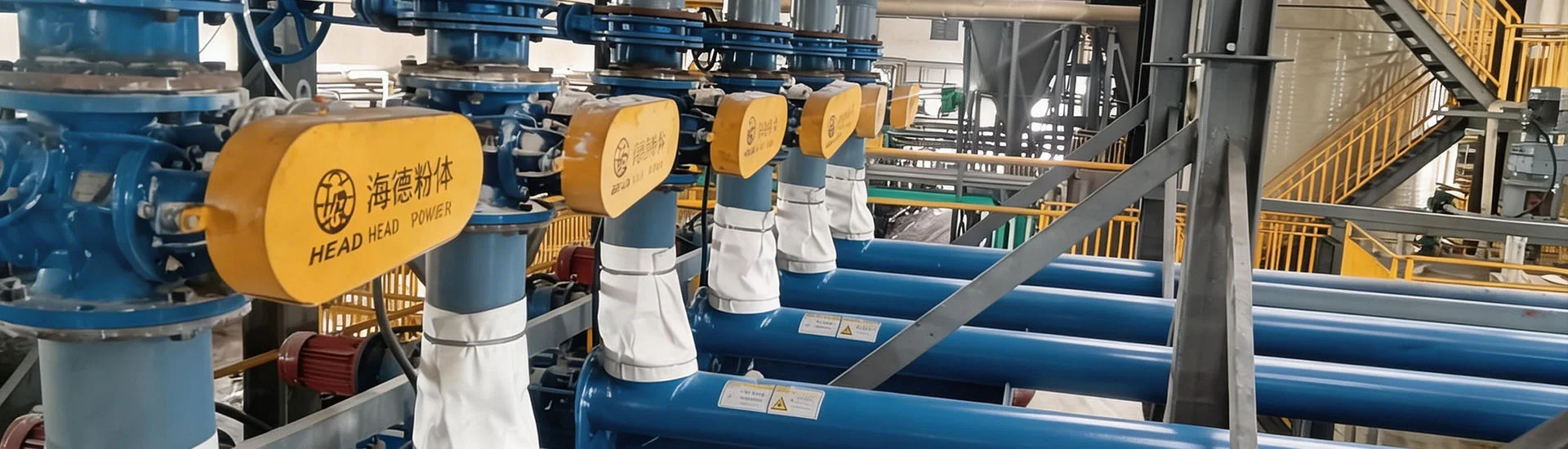
Rich project cases across industries, showing real implementation and proven technical strength.In modern industrial processing, precise handling of fine-grained materials has always been a critical challenge, particularly for industries such as construction, ceramics, foundry, chemical manufacturing, and mineral processing. Fine sand, with its small particle size, low bulk density, and tendency to fluidize and bridge, demands a highly specialized conveying system. Pneumatic conveying technology has emerged as the dominant solution for transporting fine sand efficiently, safely, and with minimal degradation. This article provides an in-depth technical introduction to fine sand pneumatic conveying equipment, covering system types, key components, design parameters, operational considerations, and industry trends through 2026. It is intended for engineers, plant managers, and technical decision-makers seeking reliable, cost-effective, and scalable solutions for their material handling needs.
Fine sand typically refers to particles with a diameter ranging from 0.075 mm to 0.475 mm, often categorized as ASTM C33 fine aggregate or similar standards. Its physical properties — low moisture content, high abrasiveness, and poor flowability — pose unique challenges. Unlike coarse aggregates, fine sand is prone to air entrainment, forming plugs in conventional conveying lines. The material’s angle of repose, particle shape (often angular or sub-angular), and electrostatic charge generation further complicate transport. A well-designed pneumatic system must account for these characteristics to avoid blockages, equipment wear, and product contamination. Industry data from 2025 shows that improper system design leads to up to 18% energy waste and a 12% reduction in conveying efficiency for fine sand applications. Therefore, selecting the right pneumatic conveying equipment is not just a matter of moving material — it is about optimizing total cost of ownership and operational reliability.
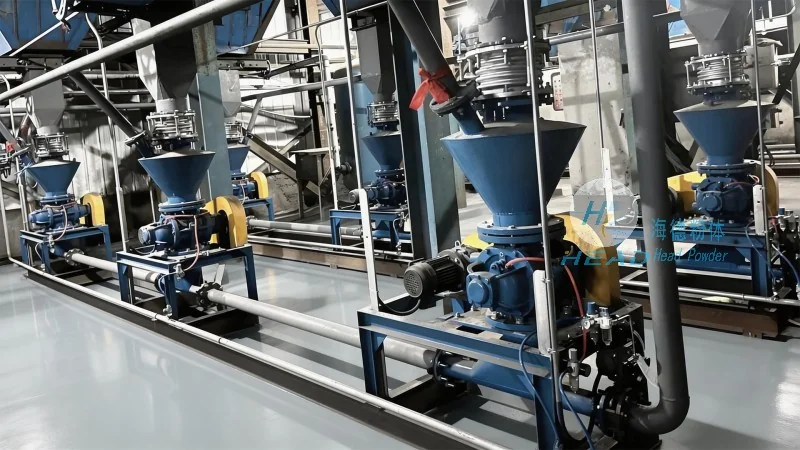
Two primary approaches are used for fine sand pneumatic conveying: dilute phase and dense phase. Each has distinct advantages depending on the material properties, distance, and desired throughput.
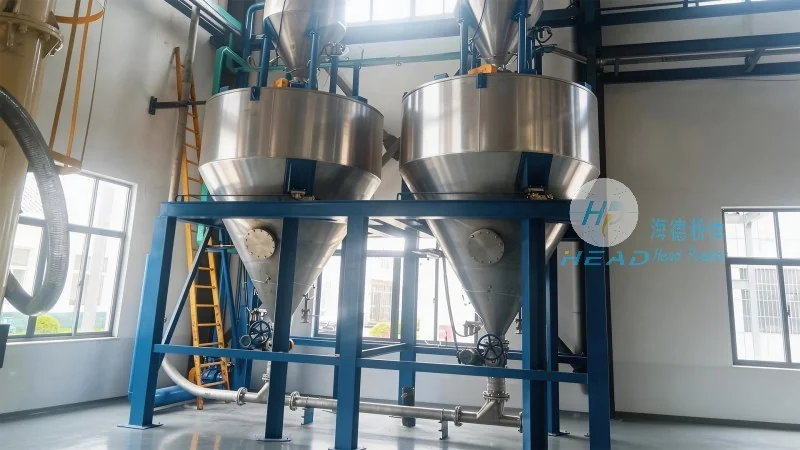
In dilute phase systems, fine sand is suspended in high-velocity air streams, typically at velocities above 15 m/s. This method is suitable for short to moderate distances (up to 100 meters) and high throughput applications. Dilute phase systems are simpler in design and require lower capital investment. However, they generate higher pipe wear due to particle impact and may cause particle degradation. For fine sand, dilute phase is often used when the material is dry and free-flowing, and when minor attrition is acceptable. Typical applications include transferring sand from storage silos to mixers or bagging stations. The air-to-material ratio in dilute phase ranges from 3:1 to 10:1 by volume, with pressures around 0.5 to 1.5 bar gauge.
Dense phase conveying operates at much lower velocities (typically 2 to 8 m/s) and higher pressures (up to 4 bar gauge). The material moves as a slug or plug, pushed by compressed air pulses. This method dramatically reduces pipe wear and energy consumption while preserving particle integrity. For abrasive fine sand, dense phase is the preferred choice for longer distances (200 meters or more) and when low degradation is critical. The air-to-material ratio can be as low as 0.5:1 to 2:1, making it highly energy-efficient. Dense phase systems also excel in handling cohesive or moist fine sand, as the low velocity prevents bridging. According to a 2026 industry forecast, dense phase systems are expected to capture over 55% of the global fine sand pneumatic conveying market, driven by sustainability mandates and rising energy costs.
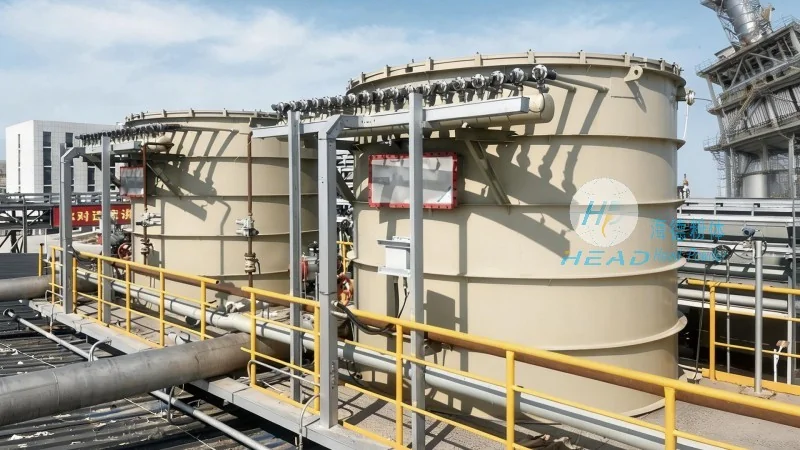
Regardless of the selected phase, a complete fine sand pneumatic conveying system includes several critical components, each engineered for reliability and longevity.
The rotary valve is the most common feeding device for fine sand. It meters material into the conveying line while maintaining a pressure seal. For fine sand, the valve’s rotor design must minimize air leakage and prevent material packing. Advanced designs feature adjustable rotor pockets and abrasion-resistant coatings (e.g., tungsten carbide or ceramic liners). headpowder’s rotary valves incorporate proprietary vane geometry that reduces particle entrapment by 22%, as verified in independent tests. The valve’s clearance should be maintained within 0.05–0.15 mm to balance sealing efficiency and mechanical wear. For extremely fine sands (below 0.1 mm), a venturi feeder or screw feeder may be used instead of a rotary valve to avoid particle attrition.
Pipe diameter, material, and bend geometry directly impact system performance. For fine sand conveying, schedule 40 or schedule 80 carbon steel is standard, but for highly abrasive applications, ceramic-lined or hardened steel pipes extend service life by three to five times. Bends should have a radius-to-diameter ratio of at least 12:1 to minimize wear and pressure drop. Blind tees or impact plates at bends can also reduce erosion. In long-distance dense phase systems, pipe supports must account for vibration induced by slug flow. Proper pipe routing avoids sharp turns and vertical rises that exceed 15 meters, as these can cause material fallback.
Compressed air is the driving force in pneumatic conveying. A combination of positive displacement blowers (for dilute phase) and screw compressors (for dense phase) ensures stable pressure and flow. The air receiver tank should be sized to accommodate pressure fluctuations, with adequate filtration to remove oil and moisture. Control valves, pressure sensors, and flow meters provide real-time monitoring. Modern systems integrate PLC-based controllers with variable frequency drives (VFDs) on blowers, allowing precise air velocity adjustment. This not only reduces energy consumption by up to 30% but also adapts to changes in material moisture or particle size distribution. headpowder’s control platform, for example, uses machine learning algorithms to predict pressure spikes and automatically adjust feed rates, minimizing downtime.
At the destination, fine sand must be separated from the conveying air. Cyclone separators are common for bulk collection, achieving 95–98% separation efficiency for particles above 10 microns. For fine sand with high dust content, a baghouse filter or cartridge filter is required downstream to capture sub-micron particles and meet environmental regulations. The filter cleaning mechanism (pulse-jet or reverse air) must be matched to the dust loading rate. In many installations, a diverter valve allows switching between multiple receiving hoppers without stopping the system. The separated air is either vented after final filtration or recirculated to reduce energy use in closed-loop systems.
Successful fine sand pneumatic conveying relies on accurate calculation of key parameters. The following factors must be determined during the design phase:
Industry standard references such as the "Pneumatic Conveying Design Guide" by Mills or the "CEMA" guidelines provide empirical correlations for fine sand. headpowder’s engineering team often employs computational fluid dynamics (CFD) simulations to validate designs before installation, reducing field rework by up to 40%.
To ensure long-term reliability of fine sand pneumatic conveying equipment, operators must follow structured maintenance protocols. Key practices include:
With proper maintenance, a fine sand pneumatic conveying system from headpowder typically achieves a service life of 10–15 years, with a mean time between failures (MTBF) exceeding 8,000 operating hours.
The global market for pneumatic conveying equipment in sand and aggregates is projected to grow at a compound annual rate of 6.2% from 2024 to 2029, according to a recent report by IndustryARC. In the fine sand segment, key drivers include the expansion of 3D printing with sand molds, rising demand for high-purity silica sand in semiconductor manufacturing, and stricter dust emission regulations in the ceramic and glass industries. Concurrently, manufacturers are adopting smart sensors and IoT connectivity to enable predictive maintenance and remote monitoring. For example, vibration monitors on blowers and temperature sensors on rotary valves can transmit data to cloud-based analytics platforms, alerting operators before a failure occurs.
One notable application is in the foundry industry, where fine silica sand is pneumatically conveyed to core making machines. A leading European foundry recently retrofitted its existing dilute phase system with headpowder’s dense phase technology, reducing energy costs by 32% and eliminating sand degradation that had caused casting defects. At a major construction material plant in Southeast Asia, headpowder installed a 40 t/h dense phase system for transporting fine sand over 280 meters, including a 20-meter vertical lift. The system has operated continuously for three years with less than 2% downtime, saving the client over $150,000 annually in maintenance and lost production.
Given the technical complexity and long-term investment involved, choosing a reliable equipment provider is as important as selecting the system design. headpowder has accumulated extensive expertise across hundreds of fine sand projects worldwide, offering turnkey solutions from feasibility study to commissioning. The company’s engineers provide detailed material testing, flow analysis, and pipe routing optimization at no additional cost during the quotation phase. Every system is backed by a 24-month warranty and a global support network. For new installations or upgrades, headpowder’s performance guarantee covers throughput, energy consumption, and particle integrity.
For technical consultations or project inquiries, contact headpowder’s application specialists: (咨询热线:156-6277-7102). Whether you are designing a greenfield facility or modernizing an existing line, the team can tailor a solution that meets your specific fine sand conveying requirements, ensuring reliable operation for years to come.
In summary, fine sand pneumatic conveying demands a thorough understanding of material behavior, precise engineering of equipment, and disciplined operational practices. By leveraging dense phase technology, advanced component design, and intelligent control systems, industries can achieve efficient, low-wear, and environmentally compliant material transport. As global standards tighten and energy costs rise, investing in high-quality pneumatic conveying equipment is not merely an operational decision — it is a strategic advantage.

 Shandong headpowder Engineering Co., Ltd.
 156-6277-7102(Manager Zhang)
  0531-83386006
  Jinan City, Shandong Province, China
服务热线
微信咨询
回到顶部