News
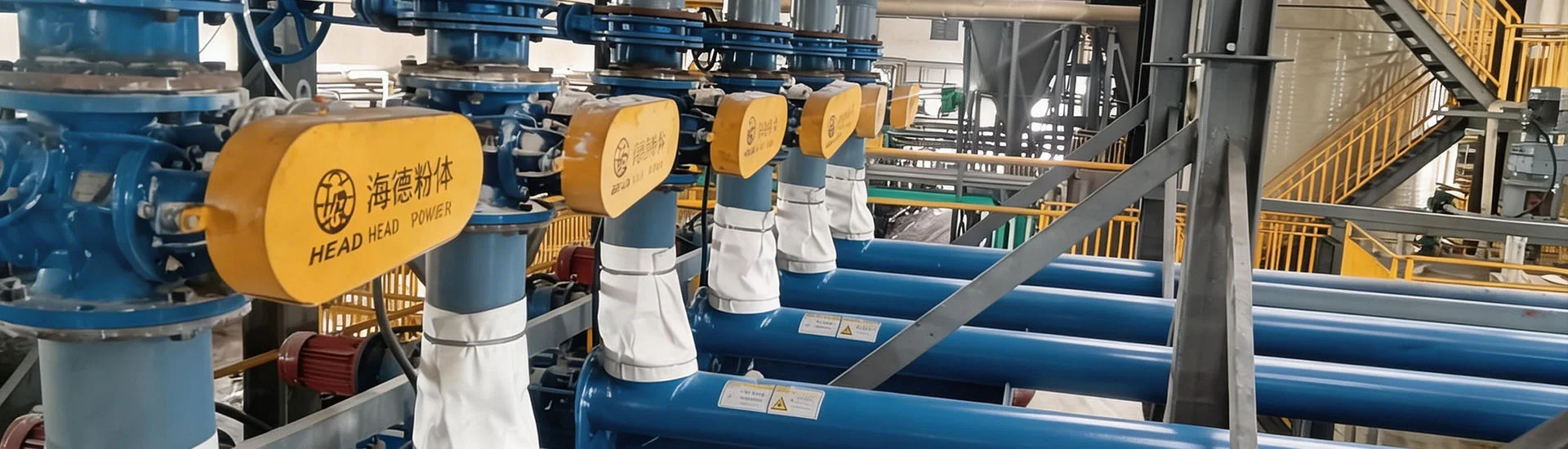
Rich project cases across industries, showing real implementation and proven technical strength.The industrial landscape of high-temperature processing—spanning steelmaking, cement kilns, glass furnaces, and petrochemical crackers—depends critically on refractory materials. These heat-resistant linings, composed of alumina, silica, magnesia, and specialized compounds, must be transported from production sites to end-users or within manufacturing facilities with minimal degradation and maximum efficiency. Pneumatic conveying has emerged as the dominant method for moving refractory powders, granules, and aggregates because it offers sealed, dust-free, and flexible routing. However, selecting the correct pneumatic conveying technical specification for refractory materials is a nuanced engineering challenge that demands a deep understanding of particle behavior, system dynamics, and operational constraints. A well-designed system not only reduces material waste and energy consumption but also extends equipment life and ensures consistent product quality.
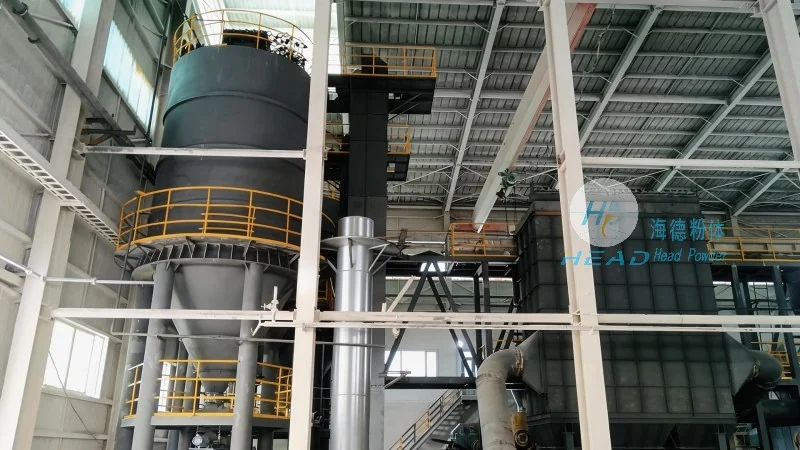
Refractory materials are inherently abrasive, often have wide particle size distributions (from fine dust of 10 microns to coarse grains of 5 mm), and can be hygroscopic or friable. Traditional mechanical conveyors—such as belt conveyors, bucket elevators, or screw conveyors—face severe wear, dust leakage, and maintenance burdens when handling these materials. Pneumatic conveying, by contrast, uses pressurized air or inert gas to suspend and transport particles through pipelines. The technology is broadly divided into dilute-phase and dense-phase systems, each with distinct characteristics that must be matched to the specific refractory type. For example, dense-phase pneumatic conveying operates at low velocities (typically 0.5–3 m/s) and high material-to-air ratios, making it ideal for fragile or abrasive refractory powders where particle breakage must be minimized. Dilute-phase systems, with velocities exceeding 10 m/s, offer higher throughput but risk pipeline wear and particle degradation.
Given the significant capital investment and operational costs involved, a rigorous technical selection specification is essential. This specification must account for material properties (bulk density, particle shape, moisture content, angle of repose, and abrasiveness), system capacity (tons per hour), conveying distance (both horizontal and vertical), available space, and environmental regulations. Moreover, with global refractory demand projected to reach approximately 32 million metric tons by 2026 (according to industry forecasts driven by infrastructure growth and steel production recovery), the need for reliable, energy-efficient conveying solutions has never been more acute. The following sections provide a comprehensive, modular guide to the key technical considerations that engineers, plant managers, and procurement specialists should evaluate when specifying pneumatic conveying systems for refractory materials.
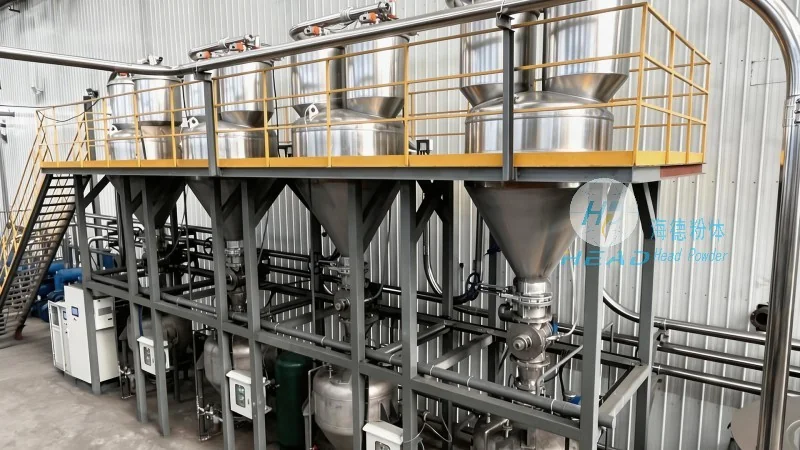
Before any pipeline diameter or blower size is calculated, the physical and chemical properties of the refractory material must be thoroughly analyzed. Bulk density, for instance, directly influences the air flow requirements. A high-density fused alumina (bulk density >2.0 g/cm³) will require higher air pressure and potentially a different system layout compared to lightweight insulating castables (bulk density <1.0 g/cm³). Particle size distribution is equally critical: a material with a high proportion of fines (below 50 microns) is prone to electrostatic charging, agglomeration, and bridging in the feed hopper. These fines also increase the risk of filtration system clogging, necessitating advanced pulse-jet bag filters or ceramic filter elements.
Abrasiveness is measured by factors such as the Mohs hardness of the particles and their angularity. Refractory materials like silicon carbide (Mohs 9.5) or calcined bauxite can wear pipe bends and elbows rapidly if the conveying velocity is not controlled. Industry standards, such as the ASTM G65 dry sand/rubber wheel abrasion test, provide reference wear rates that help in selecting pipe material (hardened steel, alumina-lined, or ceramic-lined pipes) and wall thickness. Additionally, moisture content must be kept low—typically below 1%—to prevent caking in the conveying line. Hygroscopic refractory binders (such as calcium aluminate cement) require nitrogen or dry air purging in humid environments.
To formalize this characterization, a material specification sheet should list: loose and packed bulk density (kg/m³), median particle size (D50), hardness (Mohs), abrasion index (g/kg transported), moisture sensitivity, and flowability index (e.g., Carr Index or Hausner Ratio). headpowder has long advocated for a pre-engineering "material test" conducted at accredited laboratories to generate this data before committing to a system design. This upfront investment reduces the risk of costly retrofits and ensures that the chosen pneumatic conveying technology aligns with the actual product behavior.
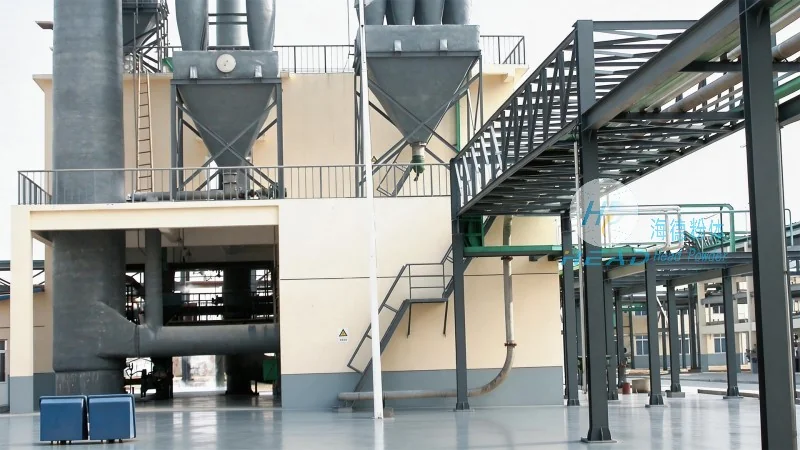
The most consequential decision in the technical specification is whether to implement dilute-phase or dense-phase conveying. For refractory materials, the choice often hinges on trade-offs between throughput, particle preservation, and energy efficiency.
In dilute-phase systems, particles are fully suspended in the air stream at high velocities (15–35 m/s). This method is suitable for non-friable, low-abrasive refractory materials—such as raw bauxite ore, silica flour, or coarse aggregates—where some particle degradation is acceptable. Dilute-phase systems can handle high capacities (up to 50 t/h or more) over moderate distances (up to 200 m). However, the high velocity accelerates pipeline wear, especially at bends. To mitigate this, engineers specify thicker elbow sections (typically 10–15 mm) or use replaceable wear backs. Power consumption is also higher per ton of material conveyed compared to dense-phase alternatives.
Dense-phase conveying, also known as plug-flow or slug-flow conveying, operates at low velocities (0.5–3 m/s) with a high material-to-air ratio (usually 20:1 to 50:1 by mass). The material moves as discrete slugs or dunes, pushed by compressed air. This method minimizes particle attrition and pipeline wear, making it the preferred choice for high-value refractory products like fused cast blocks, fine ceramic powders, and specialized monolithic refractories that must retain their particle integrity. Dense-phase systems are also more energy-efficient (typically 30–40% less energy per ton) and produce less dust. However, they require more precise control of air pressure and feeding consistency, and the maximum conveying distance is usually limited to about 150–200 m horizontal distance due to pressure drop constraints.
For refractory materials with a wide particle size distribution—such as gunite mixes containing both fine powder and coarse aggregate—a transitional or hybrid system may be appropriate. These systems operate at intermediate velocities (5–10 m/s) and can switch between dilute and dense phase depending on the batch characteristics. Advanced predictive controls using pressure transducers and flow meters enable real-time adjustment of air injection. While more complex and expensive to install, hybrid systems offer the greatest flexibility for multi-product refractory plants.
When specifying the phase, it is essential to reference recognized industry guidelines, such as those from the Conveyor Equipment Manufacturers Association (CEMA) or the European Materials Handling Federation (FEM). These standards provide empirical formulas for pressure drop calculation, minimum conveying velocity, and line sizing. Engineers should also perform computational fluid dynamics (CFD) simulations to verify the design, especially for complex layouts with multiple bends or vertical lifts.
A pneumatic conveying system for refractory materials comprises several critical subsystems, each requiring careful specification to ensure reliable operation and compliance with safety regulations.
The air source is typically a positive displacement blower (for low-pressure dilute-phase up to 1 bar) or a screw compressor (for dense-phase requiring 2–6 bar). For abrasive refractories, oil-free compressed air is strongly recommended to avoid contamination that could alter the material's thermal properties. The air dryer should achieve a dew point of at least –40°C in humid climates to prevent moisture absorption. Variable frequency drives (VFDs) on blowers allow energy savings by matching air flow to actual conveying demand, which can reduce operating costs by 15–20% annually.
The hopper design must prevent bridging and ratholing. A conical hopper with a steep slope (60–70°) and a polished stainless steel inner surface is standard for refractory powders. Aeration pads at the hopper bottom help fluidize fine materials before they enter the rotary valve. The rotary valve itself should have hardened rotor tips and housing liners (e.g., Stellite or ceramic coating) to resist abrasion. Leakage across the valve rotor is a common source of pressure loss; selecting a drop-through or blow-through design depends on whether the system requires pressure retention between cycles.
Straight pipe sections are typically made of carbon steel with a wall thickness of 6–10 mm for dilute-phase, and 4–6 mm for dense-phase (since velocities are lower). However, all bends should use wear-resistant materials: long-radius bends (R/D ratio of 6–12) made from hardened alloy steel, or short-radius bends lined with alumina ceramic tiles. The ceramic-lined bends, although more expensive, can extend service life by a factor of 8–10 compared to standard steel bends when handling silicon carbide or fused alumina. For particularly erosive materials, a blind tee or "vortex" bend design can replace a conventional elbow, using a pocket of material to absorb impact.
At the receiving end, a dust collector separates the conveyed material from the conveying air. For refractory fines, a pulse-jet baghouse with polyester or PTFE filter bags (filtration area calculated at a face velocity of 0.6–1.0 m/min) is effective. Where the material is hygroscopic or sticky (e.g., magnesium oxide), a ceramic filter cartridge may be preferred for easier cleaning. The dust collector must be sized to handle the full conveying air volume plus any surge from the system's blow-down cycle. A properly designed filter ensures that emissions comply with local air quality standards (e.g., PM10 limits below 10 mg/Nm³) and recovers valuable fine refractory particles.
Modern pneumatic conveying systems integrate programmable logic controllers (PLCs) with human-machine interfaces (HMIs) for remote monitoring. Key sensors include pressure transmitters at the blowpot, flow meters on the air supply, and level indicators in receiving bins. For dense-phase systems, a load cell on the blowpot enables batch-weight control to ensure consistent slug sizes. The control algorithm should include start-up purging cycles, emergency shutdown procedures, and automatic line clearing if a plug is detected. Cybersecurity measures are increasingly important as plants adopt Industry 4.0 connectivity.
The physical layout of the conveying line profoundly influences performance. For refractory plants that handle multiple raw materials (e.g., alumina, silica, and magnesia in separate silos), a diverter valve network allows switching between sources without cross-contamination. The pipeline routing should minimize the number of bends and vertical rises, as each bend increases total pressure drop by 10–15% (equivalent to 5–10 m of straight pipe). When vertical lifts are unavoidable, a booster air injection along the riser can prevent material settling in dense-phase systems.
Pipe diameter is selected based on an economic balance: larger diameters reduce air velocity (and wear) but increase initial pipe cost and air consumption. Typical diameters for refractory conveying range from 50 mm (for small batch systems) to 200 mm (for high-capacity plants). Conveying distances vary widely in practice: in a typical refractory production facility, the distance from grinding mill to storage silo might be 30–80 m, while in a large steel mill, the line could extend over 500 m. For distances beyond 300 m, a booster station with an intermediate blowpot is often employed to maintain pressure without oversizing the air supply.
One often overlooked aspect is the electrical classification of the conveying area. Many refractory powders are non-combustible, but fine organic binders or carbon-containing refractories (e.g., magnesia-carbon bricks) can produce explosive dust. In such cases, the entire system must meet ATEX or NFPA 69 standards for hazardous zones, including explosion-proof motors, grounding of all conductive parts, and installation of explosion vent panels or suppression systems.
Even the best specified pneumatic conveying system will underperform without proper operational discipline. First, the conveying air pressure should be monitored continuously; a gradual increase in pressure indicates line fouling or partial plugging. Early detection allows for a "pulse cleaning" cycle where short bursts of higher-pressure air clear the blockage. Second, the rotary valve speed must be adjusted to maintain the designed material-to-air ratio. Running the valve too fast starves the line and induces saltation; running too slow reduces throughput and may cause blowback into the hopper.
Maintenance schedules should be data-driven. For example, pipe wall thickness at high-wear zones (first bend after the blowpot, any bend with an angle greater than 90°) should be measured monthly using ultrasonic gauges. Plans for scheduled replacement of these sections before they perforate prevent unscheduled downtime. Filters should be cleaned or replaced based on differential pressure readings (typically 150–200 Pa across clean bags) rather than arbitrarily every 6 months.
headpowder has observed that refractory plants that implement a comprehensive training program for operators on pneumatic conveying principles see a 25–30% reduction in unplanned stops. Operators need to understand how to respond to error codes, interpret pressure trends, and differentiate between a genuine plug and a false alarm caused by a sensor fault. Additionally, maintaining a log of material changes—e.g., switching from a fine castable to a coarse gunning mix—helps fine-tune the control parameters without trial and error.
As the industry moves toward sustainable manufacturing, several innovations are reshaping pneumatic conveying for refractories. Digital twin technology now allows engineers to simulate the entire conveying process—from hopper discharge to silo filling—before a single pipe is installed. This reduces commissioning time by up to 40%. Similarly, the integration of Internet-of-Things (IoT) sensors into wear liners can predict remaining life and generate automatic replacement orders.
Energy optimization remains a top priority. New high-efficiency blowers with magnetic bearings and direct-drive motors achieve mechanical efficiency exceeding 85%, compared to traditional units at 65–70%. Meanwhile, heat recovery from the compression process can preheat refractory raw materials before they enter the kiln, improving overall thermal efficiency.
Regulatory pressures, particularly regarding dust emissions and noise levels (often limited to 85 dB(A) at 1 m in many jurisdictions), are driving the adoption of silent running designs and advanced filtration. For plants handling hazardous refractory materials, such as those containing respirable crystalline silica, negative-pressure conveying with HEPA filtration downstream is becoming standard. It is advisable to specify a system that can accommodate stricter future limits without requiring major retrofitting.
Selecting the correct pneumatic conveying technical specification for refractory materials is a multidimensional exercise that cannot be reduced to a simple checklist. It demands a holistic approach that starts with rigorous material characterization, progresses through careful phase selection, and includes detailed component specification, layout optimization, and operational planning. The stakes are high: an improperly designed system can result in annual losses of 2–5% of product due to degradation, energy costs that are 30% higher than necessary, and safety incidents that jeopardize personnel and operations.
For companies engaged in refractory production or processing, partnering with an experienced engineering firm that understands the unique challenges of these materials is a wise investment. headpowder has been deeply involved in the design and optimization of over 200 pneumatic conveying installations worldwide for refractory applications, from small batch plants to high-capacity continuous systems. We emphasize a collaborative approach: our engineers work alongside your process team to analyze your specific material, define realistic throughput targets, and validate the design with field tests before fabrication. The result is a system that delivers consistent performance over decades, with minimal downtime and total cost of ownership that is demonstrably lower than generic solutions.
We invite you to reach out to discuss your upcoming project or to request a technical consultation. Our team can provide a preliminary system design based on your material data sheet and layout drawings, along with a detailed energy and wear analysis. (咨询热线:156-6277-7102) Let us help you build a conveying solution that matches the rigor of your refractory process and the demands of the market through 2026 and beyond.

 Shandong headpowder Engineering Co., Ltd.
 156-6277-7102(Manager Zhang)
  0531-83386006
  Jinan City, Shandong Province, China
服务热线
微信咨询
回到顶部