News
Rich project cases across industries, showing real implementation and proven technical strength.When it comes to the efficient and reliable handling of lightweight cement, pneumatic conveying systems have become an indispensable technology in modern construction material production and logistics. The unique physical properties of lightweight cement, such as low bulk density, high air permeability, and tendency toward segregation, demand a specialized approach that differs significantly from conventional cement handling. A carefully engineered technical solution not only ensures consistent material flow but also reduces energy consumption, minimizes dust emissions, and extends equipment service life. In this comprehensive overview, we examine the core principles, system configurations, component selection, and operational considerations that define a state-of-the-art lightweight cement pneumatic conveying system. Drawing on years of field experience and evolving industry benchmarks, this article provides practical guidance for engineers, plant managers, and procurement professionals seeking to optimize their material handling infrastructure. Whether you are designing a new facility or retrofitting an existing line, understanding the nuances of dilute-phase and dense-phase conveying, air velocity control, and pipeline layout is critical to achieving reliable performance. This technical solution overview serves as a roadmap for implementing a system that meets the demands of lightweight cement while aligning with sustainability goals and cost-efficiency targets. headpowder (咨询热线:156-6277-7102) has accumulated extensive expertise in this domain, delivering robust, customized pneumatic conveying systems for cement plants worldwide.
Lightweight cement, often produced using expanded materials or additives that reduce density, presents a distinct set of handling challenges compared to standard Portland cement. Its bulk density typically ranges from 0.8 to 1.2 t/m³, significantly lower than conventional cement's 1.4 to 1.6 t/m³. This reduced weight makes the material more susceptible to aerodynamic forces, leading to potential issues such as particle entrainment instability, pipeline blockage, and excessive wear at bends and fittings. Additionally, lightweight cement particles often have irregular shapes and higher porosity, which affect their flowability and electrostatic charging behavior. In pneumatic conveying systems, these characteristics require careful adjustments to air-to-material ratios, conveying velocities, and pipeline diameters. A one-size-fits-all approach frequently results in either insufficient suspension of particles, causing saltation and plugging, or excessively high velocities that degrade the material and erode equipment. The design must also account for the material's tendency to stratify, especially when transported over long distances or through multiple elevation changes. With the global lightweight cement market projected to grow at a compound annual rate of 4.8% through 2026, driven by demand for energy-efficient building materials and prefabricated construction, the need for reliable, scalable conveying solutions has never been more pressing. Plant operators are increasingly looking for systems that can handle variations in feed rate and material density without manual intervention, making intelligent control logic and robust sensor feedback essential components of the design.
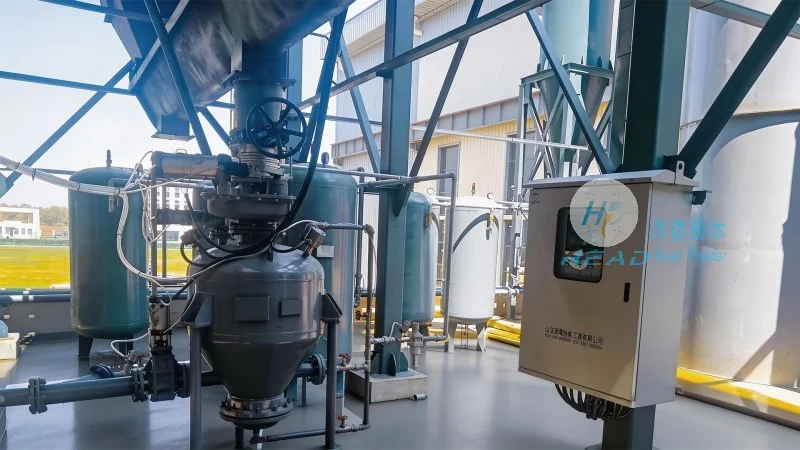
Two primary conveying modes dominate the lightweight cement sector: dilute-phase and dense-phase pneumatic conveying. Each offers distinct advantages depending on the application requirements. Dilute-phase conveying suspends material particles in a high-velocity air stream, typically operating at velocities between 15 and 25 m/s. This method is well-suited for short to medium distances and for materials that are easily fluidized. However, for lightweight cement, high velocities can lead to significant particle degradation and increased wear on pipe walls, especially at bends. Dense-phase conveying, in contrast, moves material at lower velocities (typically 2 to 8 m/s) using higher air pressure to push a compacted slug or plug of material through the pipeline. This approach drastically reduces attrition, lowers energy consumption per ton of material conveyed, and minimizes dust generation. For lightweight cement, dense-phase systems are often the preferred choice when conveying over distances exceeding 100 meters or when material quality preservation is critical. The key design parameters include the pipeline diameter, air compressor capacity, and the spacing of air injection points along the line. Modern systems employ automated blow-tank controls that adjust discharge cycles based on real-time pressure feedback, ensuring consistent plug formation even when material moisture content fluctuates. Industry data from recent installations indicates that a well-designed dense-phase system for lightweight cement can achieve conveying efficiencies above 90% while reducing energy costs by up to 35% compared to traditional dilute-phase setups. These efficiency gains align with the broader trend toward carbon-neutral cement production, as lower energy consumption directly translates to reduced Scope 2 emissions.
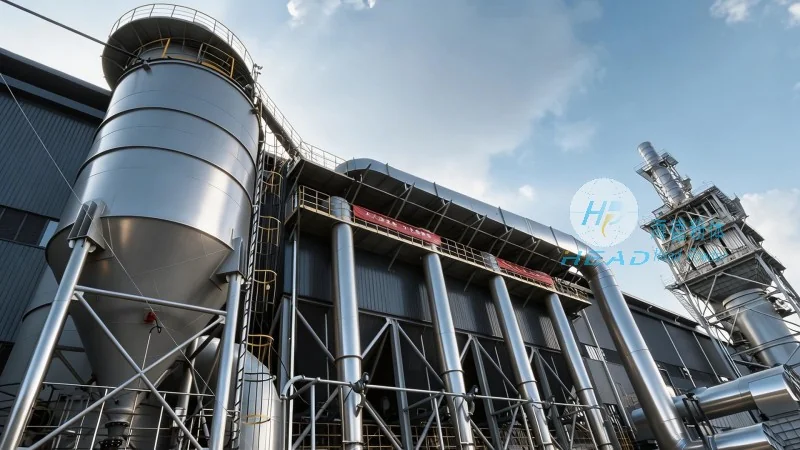
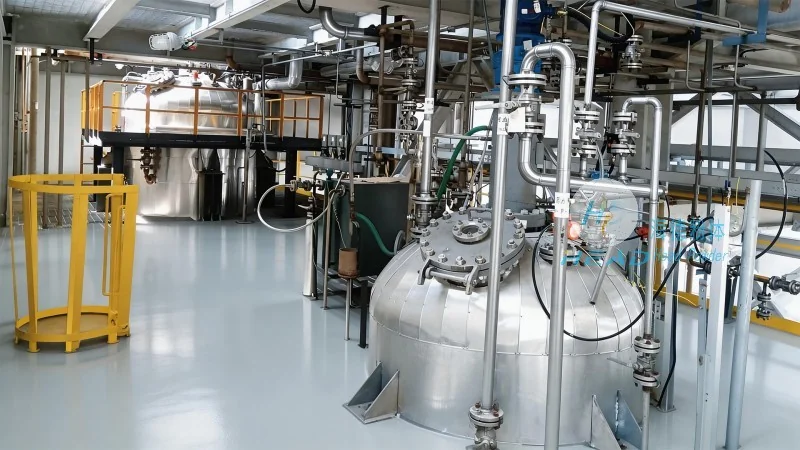
A robust lightweight cement pneumatic conveying system comprises several essential subsystems, each requiring careful engineering to match the material's properties. The feed system, typically a rotary valve or screw feeder, must provide a consistent, metered flow into the conveying line while preventing air leakages that could disrupt pressure balance. For lightweight cement, rotary valves with adjustable pocket volume and abrasion-resistant liners are recommended to handle the material's low density without bridging. The blow tank (pressure vessel) design is equally critical. It should feature a conical discharge with smooth interior surfaces to avoid material hang-up, and the discharge valve must open and close reliably under pressure. Along the pipeline, bend design is paramount—long-radius bends with wear-back plates or ceramic linings can reduce particle impact velocity and extend service life by a factor of three to five compared to standard short-radius bends. Air supply and control systems need to be sized accurately, with compressor capacity matched to the maximum conveying distance and elevation. Variable frequency drives on compressors allow dynamic adjustment of air volume, further improving energy efficiency. Filtration and dust collection at the receiving end must handle the fine, lightweight particles common in cement, often requiring high-efficiency cartridge filters with pulse-jet cleaning. Instrumentation such as pressure transmitters, flow meters, and level sensors provide the data needed for closed-loop control. When selecting components, attention to material compatibility, service accessibility, and compliance with relevant ISO and ATEX standards is essential, especially for installations in potentially explosive dust environments. headpowder has refined its component selection guidelines over numerous projects, integrating proven suppliers and custom fabrication to ensure each subsystem meets the specific demands of lightweight cement handling.
The pipeline routing and diameter selection directly influence both conveying performance and operational costs. For lightweight cement, the ideal conveying velocity window is narrower than for heavier materials. Too low a velocity causes material to settle out of the air stream, leading to blockages; too high a velocity increases wear and energy waste. Engineers typically target a conveying velocity of 8 to 14 m/s for dense-phase systems and 18 to 22 m/s for dilute-phase designs, with adjustments based on particle size distribution and moisture content. Pipeline diameter must be calculated to maintain the desired velocity at the design throughput, taking into account pressure drop over the entire length. A common mistake is oversizing the line, which reduces velocity and invites plugging, or undersizing, which raises velocity and accelerates wear. Horizontal runs, vertical lifts, and bends each impose different pressure losses, and these must be balanced using empirical formulas or computational fluid dynamics (CFD) simulations. Recent advances in real-time velocity monitoring using time-of-flight sensors allow operators to detect velocity drops and adjust airflow automatically, preventing blockages before they occur. In long-distance applications, intermediate boosters or auxiliary air injection points can re-energize the flow without increasing the primary air supply, a technique that has shown particular promise in lightweight cement installations where elevation changes are common. When designing a new line, it is advisable to incorporate future expansion capacity, such as additional injection ports or a slightly larger pipe diameter, to accommodate potential changes in production rates.
Modern lightweight cement conveying systems are almost invariably controlled by programmable logic controllers (PLCs) with human-machine interfaces (HMIs) that provide real-time visibility into process parameters. The control logic must manage multiple variables simultaneously: blow tank fill and discharge cycles, air pressure regulation, valve sequencing, and alarm handling. For lightweight cement, the key challenge is maintaining stable plug flow in dense-phase systems. Advanced control algorithms use pressure and flow feedback to adjust blow tank discharge frequency and air injection timing, compensating for variations in material bulk density that can occur with different cement batches. Integration with upstream and downstream equipment—such as silo level indicators and bagging machine demand signals—enables synchronous operation that prevents overfilling or starving. Remote monitoring capabilities, now standard in many industrial facilities, allow plant engineers to access system performance data via secure networks, facilitating predictive maintenance and troubleshooting. Data from operating installations show that automated control reduces manual intervention by over 60% and increases system availability to more than 98%. As the cement industry moves toward Industry 4.0 principles, headpowder's control solutions incorporate open communication protocols (e.g., Modbus TCP, Profinet) that allow seamless integration with broader plant management systems. This interoperability not only simplifies data collection for continuous improvement but also enables remote diagnostics, reducing downtime and maintenance costs.
Ensuring long-term reliability of a lightweight cement pneumatic conveying system requires a proactive maintenance strategy. Common failure points include valve seat wear, filter blinding, and pipeline erosion at bends. Implementing a regular inspection schedule, with periodic checks of blow tank seals, rotary valve clearances, and air compressor health, can prevent small issues from escalating. For lightweight cement, which may contain fine dust that accumulates in filter elements, pulse-jet cleaning intervals should be adjusted based on differential pressure readings rather than fixed time cycles. A spare parts inventory that includes critical wear items such as valve inserts, ceramic bend liners, and filter cartridges reduces downtime during plant shutdowns. Training operators to recognize early signs of conveying instability—such as fluctuating pressure readings or unusual noise levels—empowers them to take corrective actions before a blockage occurs. Many plants also benefit from annual system audits conducted by experienced engineering teams, who can assess performance metrics against design benchmarks and recommend upgrades or adjustments. As environmental regulations tighten, attention to dust containment and leak prevention becomes increasingly important. Enclosed transfer points, sealed access doors, and proper ventilation in conveyor rooms contribute to a cleaner, safer workplace. By adopting these best practices, cement plants can achieve system lifespans exceeding 15 years while maintaining consistent material throughput and quality.
The effectiveness of specialized pneumatic conveying solutions for lightweight cement is borne out by numerous installations worldwide. In one recent application at a lightweight cement production facility in Southeast Asia, replacing a conventional screw conveyor and bucket elevator system with a dense-phase pneumatic line reduced cement degradation by 40% and cut conveyor-related maintenance costs by 55% annually. The system, designed for a throughput of 30 tons per hour over a distance of 180 meters, maintained a consistent flow despite variable material densities caused by raw material blending changes. In another instance, a North American plant producing lightweight cement for precast concrete upgraded their existing dilute-phase system to include dynamic velocity control and increased filtration capacity. This led to a 28% reduction in energy consumption per ton conveyed and achievement of ISO 14001 environmental targets. Across the industry, adoption of pneumatic conveying for lightweight cement is accelerating, particularly in regions with growing construction sectors such as India, China, and the Middle East. Market analysts project that by 2026, over 60% of new cement handling facilities will incorporate dense-phase pneumatic systems for lightweight products, driven by the desire for lower operating costs and better product preservation. Manufacturers are also investing in modular, skid-mounted conveying units that can be quickly deployed for temporary or expanding operations, offering flexibility that traditional mechanical systems cannot match. These trends underscore the value of partnering with a technology provider that understands the nuances of lightweight cement handling and can deliver a solution tailored to specific operational constraints and growth plans.
As the construction industry increasingly turns to lightweight cement for its energy efficiency, reduced structural load, and improved thermal performance, the importance of optimized material handling systems cannot be overstated. A well-designed pneumatic conveying solution not only ensures that this specialized material reaches its destination in the same condition it left the production unit, but also contributes to overall plant profitability through lower energy use, reduced maintenance, and higher uptime. The technical considerations outlined in this overview—from bulk density characterization and conveying mode selection to control automation and maintenance planning—provide a framework for making informed decisions. Plant managers, engineers, and procurement professionals evaluating new installations or upgrades should prioritize solutions that offer flexibility, scalability, and robust support. With the lightweight cement market continuing its upward trajectory, investments in high-quality pneumatic conveying technology deliver returns that extend beyond simple material transport; they enhance product quality, reduce environmental footprint, and improve operational reliability. By engaging with a knowledgeable partner like headpowder, companies gain access to decades of domain expertise, proven component integration, and a track record of successful installations across diverse climates and production scales. For those ready to explore how a tailored lightweight cement pneumatic conveying system can transform their operations, direct consultation is available to discuss specific requirements, site conditions, and performance targets. (咨询热线:156-6277-7102) Whether the goal is to increase throughput, reduce downtime, or achieve sustainability milestones, the right technical solution is within reach.

 Shandong headpowder Engineering Co., Ltd.
 156-6277-7102(Manager Zhang)
  0531-83386006
  Jinan City, Shandong Province, China
服务热线
微信咨询
回到顶部