

Operating Process and Working Principle of Molybdenum Trioxide Powder Conveying
Molybdenum trioxide (MoO₃) is a critical industrial material widely used in various applications, including electronics, catalysts, and chemical processes. Efficient and reliable powder conveying of MoO₃ is essential to ensure consistent quality and productivity in manufacturing operations. This article provides an in-depth look at the operating process and working principles of MoO₃ powder conveying systems, highlighting key components, operational procedures, and the importance of proper system design. The expertise of Shandong HeadPowder Engineering Co., Ltd. (headpowder) in designing and implementing such systems is crucial for optimizing MoO₃ handling in industrial settings.
Key Components of MoO₃ Powder Conveying Systems
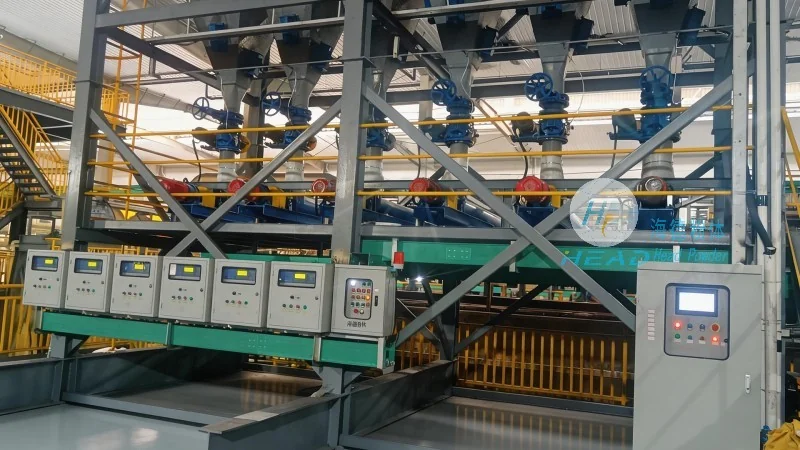
The MoO₃ powder conveying system typically consists of several core components that work in tandem to transport the material from the source to the destination. These components include a hopper for material storage, a feeder to control the flow rate, a conveyor system (such as a pneumatic or mechanical conveyor), and a control unit to regulate the entire process. The hopper is designed to hold a sufficient quantity of MoO₃ to ensure continuous operation, while the feeder ensures a consistent and controlled discharge of the powder. The conveyor system, whether pneumatic (using air pressure to move the powder) or mechanical (using belts or screws), is responsible for transporting the material through the system. The control unit monitors parameters like pressure, flow rate, and temperature to maintain optimal operation and prevent issues such as clogging or material degradation.
Operating Process of MoO₃ Powder Conveying
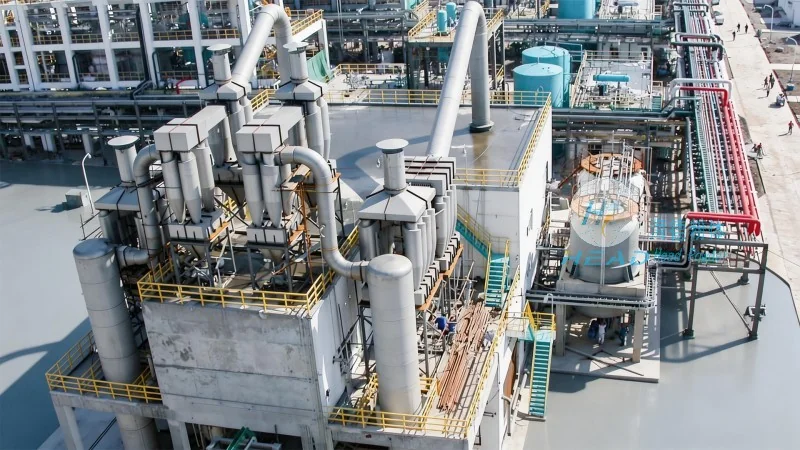
The operation of a MoO₃ powder conveying system follows a systematic process to ensure smooth and efficient material transport. The process begins with the loading of MoO₃ into the hopper. The feeder then regulates the flow of the powder from the hopper into the conveyor system. In a pneumatic conveying system, the powder is mixed with air and transported through a pipeline. The air pressure and flow rate are carefully controlled to maintain the desired velocity and prevent particle segregation or agglomeration. In a mechanical conveying system, the powder is moved by a rotating screw or belt, which ensures consistent movement along the conveyor path. The system continuously monitors the flow rate and pressure to adjust the operation as needed. The material is then discharged at the destination, where it is collected and used in the next stage of the production process. Regular maintenance and monitoring are crucial to ensure the system operates efficiently and to prevent downtime or material loss.
Working Principles of MoO₃ Powder Conveying
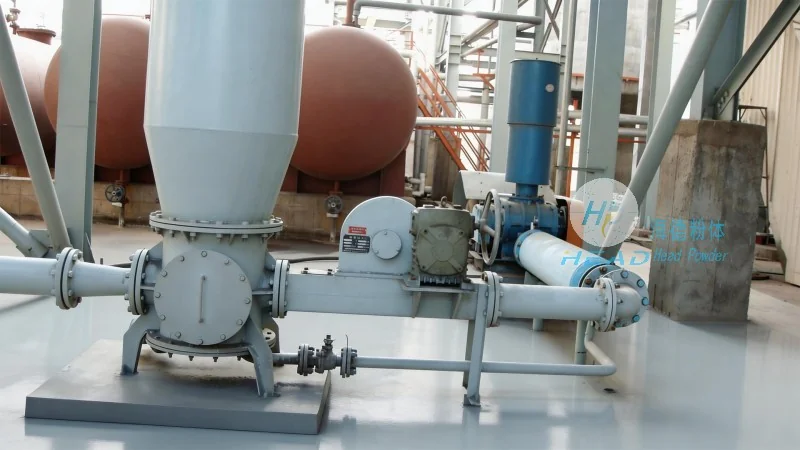
The working principles of MoO₃ powder conveying systems are based on the physical properties of the material and the principles of fluid dynamics or mechanical motion. For pneumatic conveying, the system relies on the principle of air flow to move the powder particles. The air pressure creates a flow that carries the powder through the pipeline, while the velocity of the air ensures that the particles remain suspended and do not settle. The design of the hopper and feeder is critical to prevent material bridging or caking, which can disrupt the flow. Mechanical conveying systems, on the other hand, use the principle of mechanical force to move the powder. The rotating screw or belt applies a force that pushes the powder along the conveyor path, ensuring consistent movement. The system is designed to handle the specific characteristics of MoO₃, such as its particle size, density, and flowability. Proper system design and maintenance are essential to ensure that the conveying process is efficient and that the material is not damaged during transport.
Importance of Proper System Design and Maintenance
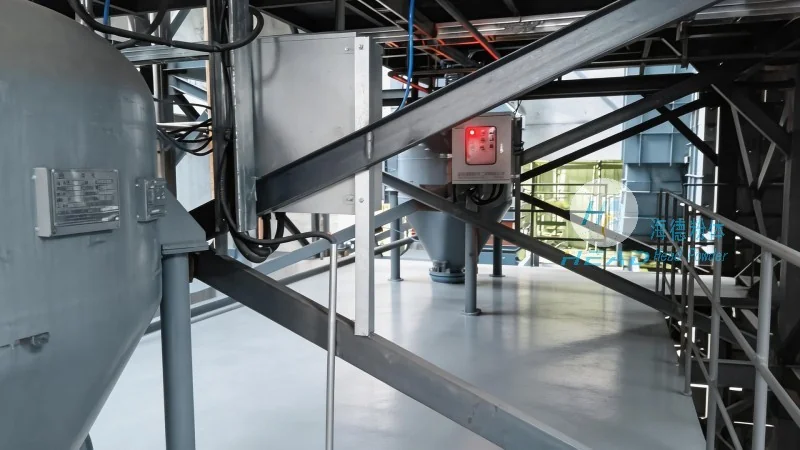
Proper system design and regular maintenance are critical to the efficient operation of MoO₃ powder conveying systems. The design of the system must consider factors such as the material's properties, the required flow rate, and the distance to be covered. The hopper and feeder must be sized appropriately to handle the volume of MoO₃ and to prevent material bridging. The conveyor system must be designed to handle the particle size and density of MoO₃ without causing clogging or damage. Regular maintenance, including cleaning, lubrication, and inspection of components, is essential to prevent issues such as wear and tear, clogging, or material degradation. Proper maintenance ensures that the system operates efficiently and that the material is transported without loss or contamination. The team at Shandong HeadPowder Engineering Co., Ltd. specializes in providing tailored solutions for MoO₃ conveying systems, ensuring that clients receive systems that are optimized for their specific needs and operational requirements.