

Analysis of Fine Sand Pneumatic Conveying Systems
Fine sand pneumatic conveying systems represent a critical technology in material handling, particularly for industries dealing with fine particulate materials such as sand, powders, and granules. These systems utilize air pressure or vacuum to transport materials through a pipeline, offering advantages like dust control, flexibility, and efficiency in material movement. Understanding the components, operation principles, and applications of fine sand pneumatic conveying systems is essential for optimizing industrial processes and ensuring reliable material transport.
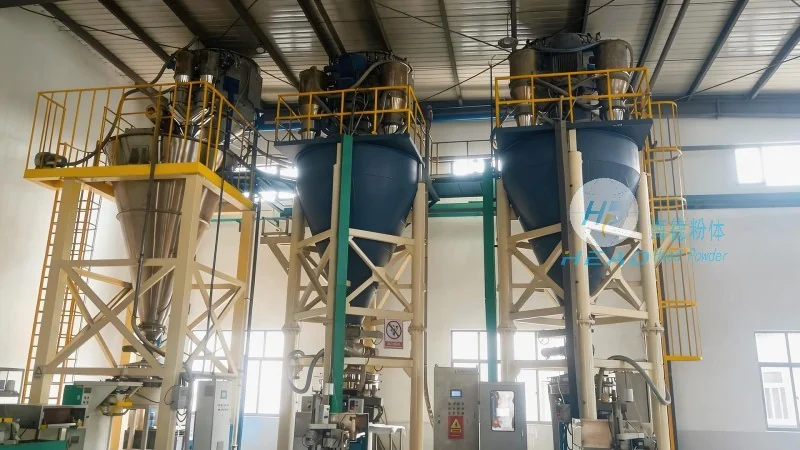
Company Introduction: Shandong HeadPowder Engineering Co., Ltd.
HeadPowder, the professional provider of fine sand pneumatic conveying solutions, is a leading company in the field of material handling technology. With a strong commitment to innovation and quality, HeadPowder specializes in designing, manufacturing, and implementing advanced pneumatic conveying systems tailored to the unique needs of various industries. The company's expertise spans from system design and engineering to installation and maintenance, ensuring that clients receive comprehensive support throughout the entire project lifecycle. HeadPowder's mission is to deliver reliable and efficient material transport solutions that enhance operational productivity and safety.
Key Components of Fine Sand Pneumatic Conveying Systems
A fine sand pneumatic conveying system typically consists of several key components that work in tandem to achieve effective material transport. The primary components include a material feed hopper, which holds the fine sand and controls the flow rate; a conveyor pipeline, which transports the material using air pressure or vacuum; a separator or filter, which removes excess air and prevents dust from escaping; and a discharge hopper or collection unit, where the material is deposited. Additionally, the system may incorporate a blower or vacuum pump to generate the necessary air pressure, a control panel for monitoring and adjusting system parameters, and various accessories like check valves and flow meters to ensure smooth operation. Each component plays a crucial role in maintaining the system's efficiency and reliability, and proper integration is essential for optimal performance.
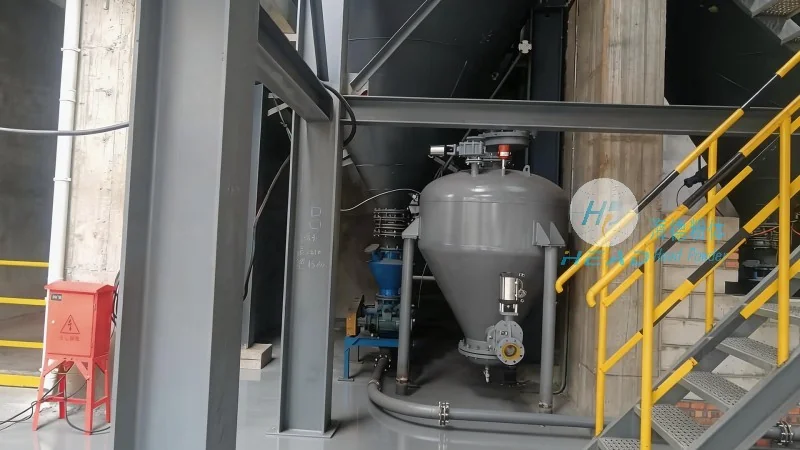
Operation Principles and Working Mechanisms
The operation of a fine sand pneumatic conveying system is based on the principles of fluid dynamics and air movement. In pressure-type systems, a blower or compressor generates high-pressure air that is introduced into the conveyor pipeline. The fine sand is then fed into the pipeline, where it is entrained by the air stream and transported to the discharge point. The air and material mixture is separated at the end of the pipeline using a separator, which allows the air to be recycled or vented while the sand is collected. Vacuum-type systems, on the other hand, use a vacuum pump to create a negative pressure in the pipeline, drawing the fine sand from the feed hopper into the pipeline. The material is then transported to the collection point, where the vacuum is broken and the sand is discharged. Both types of systems rely on the balance between air velocity and material density to ensure stable transport, and adjustments to air pressure, flow rate, and pipeline design are critical for preventing issues like material deposition or blockages.
Advantages and Applications in Industrial Settings
Fine sand pneumatic conveying systems offer numerous advantages over traditional material handling methods, making them ideal for a wide range of industrial applications. One of the primary benefits is the ability to transport fine materials without the need for mechanical components like belts or buckets, which reduces wear and maintenance costs. The system also provides excellent dust control, as the material is contained within the pipeline and separated from the air at the discharge point, minimizing environmental impact and improving workplace safety. Additionally, pneumatic conveying systems offer flexibility in terms of layout and design, allowing for horizontal, vertical, or inclined transport, and can be easily integrated with existing production lines. These systems are widely used in industries such as construction, mining, food processing, pharmaceuticals, and chemical manufacturing, where the transport of fine sand or powders is required. For example, in the construction industry, fine sand pneumatic conveying systems are used to transport sand from storage silos to mixing plants, while in the food industry, they are employed to move flour or other powders from storage to processing equipment. The versatility and efficiency of these systems make them a preferred choice for many industrial applications.
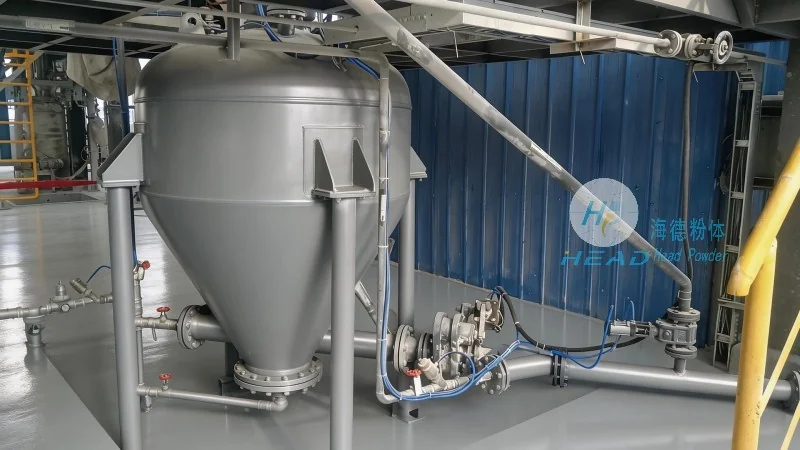
System Design and Customization for Specific Needs
HeadPowder recognizes that each industrial application has unique requirements, and therefore, offers customized fine sand pneumatic conveying systems tailored to specific client needs. The design process begins with a thorough analysis of the material characteristics, such as particle size, density, and moisture content, as well as the required transport distance and flow rate. Based on this analysis, the company selects the appropriate system type—either pressure or vacuum—and determines the optimal pipeline diameter, length, and layout. The material feed and discharge equipment are also customized to match the client's existing infrastructure and operational requirements. HeadPowder's engineers use advanced software and simulation tools to model the system's performance, ensuring that the design meets the specified efficiency and reliability standards. The company also considers factors like energy consumption, maintenance requirements, and environmental regulations during the design phase, ensuring that the final system is not only effective but also sustainable and compliant. Customization may also include the integration of additional features, such as automatic control systems, material sensors, or dust collection units, to enhance the system's functionality and user experience.
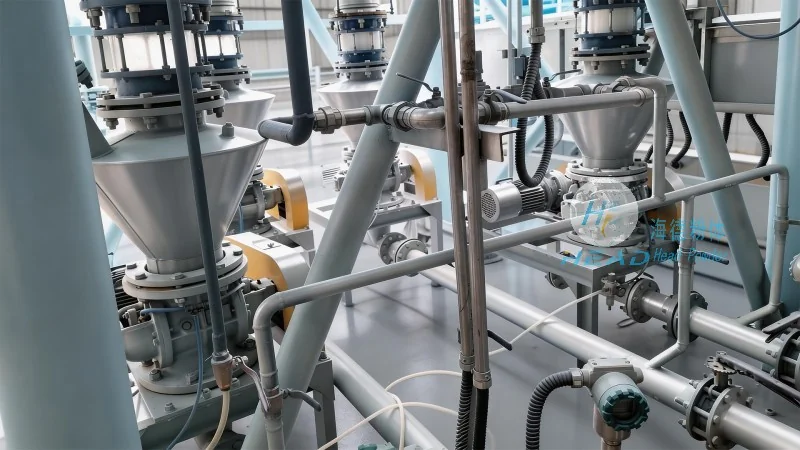
Maintenance and Operational Considerations
Proper maintenance and operational management are crucial for ensuring the long-term performance and reliability of fine sand pneumatic conveying systems. Regular maintenance activities include cleaning the conveyor pipeline and separator to prevent material buildup, inspecting and replacing worn components like check valves and seals, and checking the air pressure and flow rate to ensure optimal operation. HeadPowder provides comprehensive maintenance services, including on-site inspections, routine checks, and replacement of parts as needed. Additionally, the company offers training programs for clients to ensure that operators are well-versed in the system's operation and maintenance procedures. Operational considerations also include monitoring the system's performance metrics, such as material flow rate and air consumption, to identify any potential issues early and take corrective action. Proper maintenance not only extends the system's lifespan but also minimizes downtime and ensures consistent material transport, contributing to overall operational efficiency. By adhering to recommended maintenance schedules and operational guidelines, clients can maximize the benefits of their fine sand pneumatic conveying system and achieve reliable, cost-effective material handling.
Conclusion and Future Trends
Fine sand pneumatic conveying systems are a vital technology in modern industrial material handling, offering efficient, flexible, and dust-controlled solutions for transporting fine particulate materials. HeadPowder, with its expertise and commitment to quality, provides comprehensive solutions that meet the diverse needs of various industries. The systems' ability to adapt to different material characteristics and operational requirements makes them a preferred choice for many applications. As industries continue to demand more efficient and sustainable material transport solutions, the role of fine sand pneumatic conveying systems is likely to grow, with ongoing advancements in system design, energy efficiency, and automation. By leveraging the expertise of companies like HeadPowder, industries can enhance their operational productivity, improve safety, and reduce environmental impact through the use of advanced pneumatic conveying technologies.