

What is Manganese Silicate Pneumatic Conveying? Classification and Applications of Pneumatic Conveyi
Manganese silicate is a chemical compound widely used in various industrial applications, and its efficient handling often relies on pneumatic conveying systems. Pneumatic conveying, as a technology for transporting bulk materials through the use of air or gas, offers several advantages over traditional methods such as belt conveyors or bucket elevators. This article explores the concept of manganese silicate pneumatic conveying, outlines the different classifications of pneumatic conveying systems, and discusses practical applications in industrial settings.
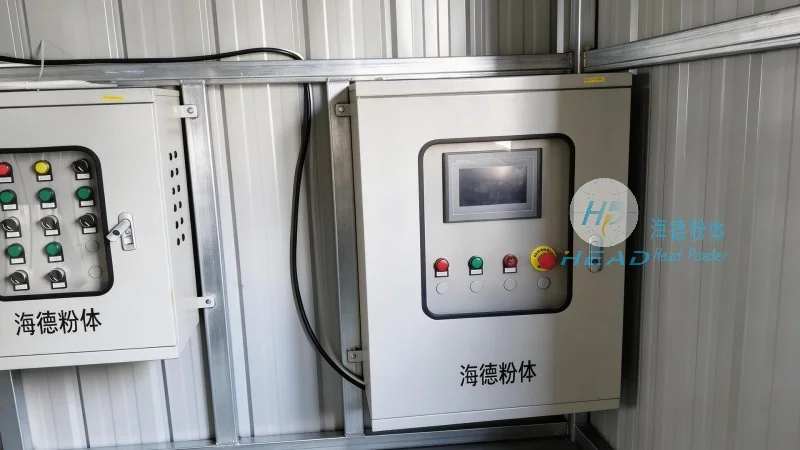
Understanding Pneumatic Conveying Systems
Pneumatic conveying systems operate by transporting solid materials in a pipeline using a moving air stream. The process can be categorized into two main types: dilute-phase and dense-phase conveying. Dilute-phase systems, which are commonly used for light materials like powders, rely on high-velocity air to suspend particles and move them through the system. Dense-phase systems, on the other hand, use lower air velocities and higher material concentrations, resulting in a more controlled and efficient transport of bulk materials. Both types have specific applications depending on the characteristics of the material being conveyed, including particle size, density, and moisture content.
Manganese Silicate as a Conveyed Material
Manganese silicate, with its unique chemical properties, presents specific challenges and requirements for pneumatic conveying. The material's particle size distribution, for instance, can significantly impact the choice of conveying system. Fine powders may require specialized equipment to prevent clogging and ensure consistent flow, while larger particles might benefit from dense-phase conveying to maintain stability. Additionally, the chemical stability of manganese silicate under different air conditions is crucial, as exposure to moisture or certain gases could affect its performance. Therefore, selecting the appropriate pneumatic conveying system for manganese silicate involves careful consideration of these factors to ensure optimal efficiency and material integrity.
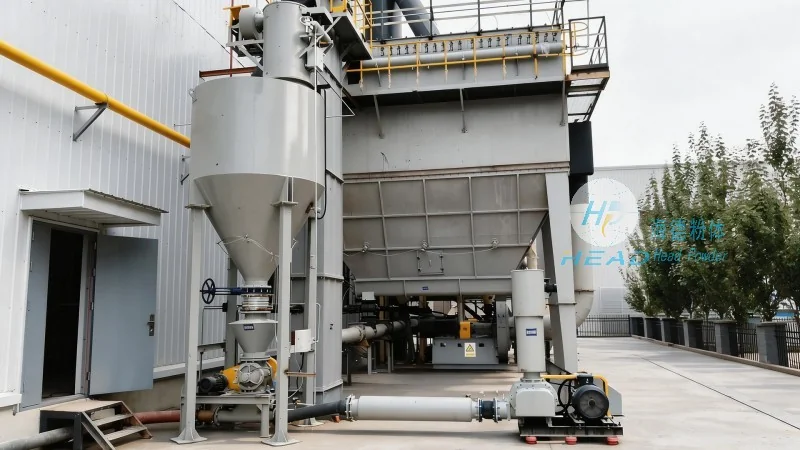
Classification of Pneumatic Conveying Systems
Pneumatic conveying systems can be broadly classified based on the pressure used during operation. Positive pressure systems, where air is blown into the system to push material forward, are commonly used for long-distance or high-volume transport. Negative pressure systems, which use suction to draw material into the system, are often preferred for applications requiring clean environments or where material is to be collected from multiple sources. Additionally, systems can be further categorized by the method of material feeding, such as venturi or rotary valve feeders, each offering distinct advantages in terms of flow control and material handling. The choice of classification depends on the specific needs of the industrial process, including the distance to be covered, the volume of material, and the environmental requirements of the operation.
Applications of Pneumatic Conveying in Industrial Settings
The versatility of pneumatic conveying makes it suitable for a wide range of applications involving manganese silicate. In the chemical industry, for example, manganese silicate is often used as a catalyst or additive in various processes, and pneumatic conveying facilitates its transport from storage to processing units without the need for manual handling. The food and pharmaceutical industries also benefit from pneumatic conveying for manganese silicate, as it allows for a hygienic and dust-free transfer of materials, which is critical for maintaining product quality and safety standards. Furthermore, in the mining and mineral processing sectors, manganese silicate is used as a flux or reagent, and pneumatic conveying systems enable efficient transport from mining sites to processing plants, improving overall operational efficiency.
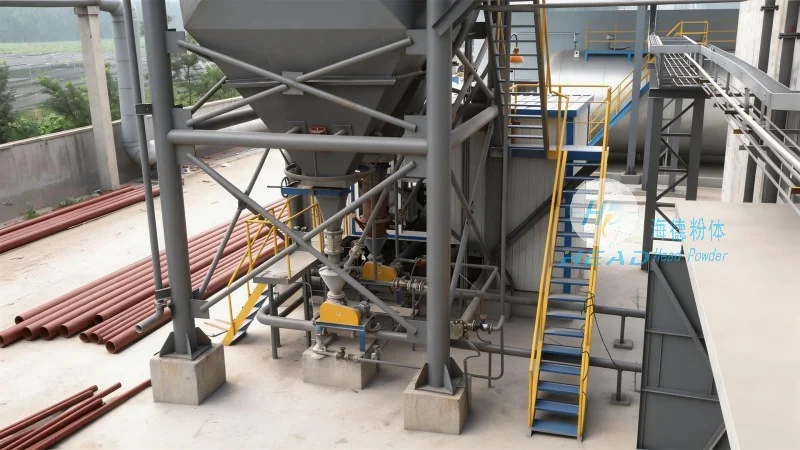
Advantages and Considerations for Manganese Silicate Pneumatic Conveying
Implementing pneumatic conveying for manganese silicate offers several advantages, including reduced labor costs, increased safety by minimizing manual handling, and improved material quality by preventing contamination. However, there are also considerations to keep in mind, such as the need for proper system maintenance to prevent clogging or air leaks, and the potential for increased energy consumption compared to other transport methods. Additionally, the design of the conveying system must account for the specific properties of manganese silicate, including its dustiness and potential for static charge, to ensure reliable and efficient operation. By addressing these factors, industrial facilities can maximize the benefits of pneumatic conveying while minimizing potential challenges.
Conclusion
Manganese silicate pneumatic conveying is a critical technology in many industrial applications, offering efficient and reliable transport of this important chemical compound. By understanding the different classifications of pneumatic conveying systems and their applications, industries can select the most suitable method for their specific needs. As a leading provider of engineering solutions, Shandong HeadPowder Engineering Co., Ltd. specializes in designing and implementing customized pneumatic conveying systems tailored to the unique requirements of each client. With a focus on quality and efficiency, HeadPowder ensures that manganese silicate is handled safely and effectively, supporting the success of industrial operations worldwide.