

What is Cement and Mineral Powder Pneumatic Conveying? Classification and Applications of Pneumatic
Understanding the principles and applications of cement and mineral powder pneumatic conveying is crucial for industries that rely on efficient material handling. Pneumatic conveying systems use air to transport bulk materials like cement, mineral powders, and other fine particles, offering a flexible and effective solution for various industrial processes. This technology has become increasingly important as industries seek to enhance operational efficiency, reduce costs, and improve safety in material handling operations.
What is Cement and Mineral Powder Pneumatic Conveying?
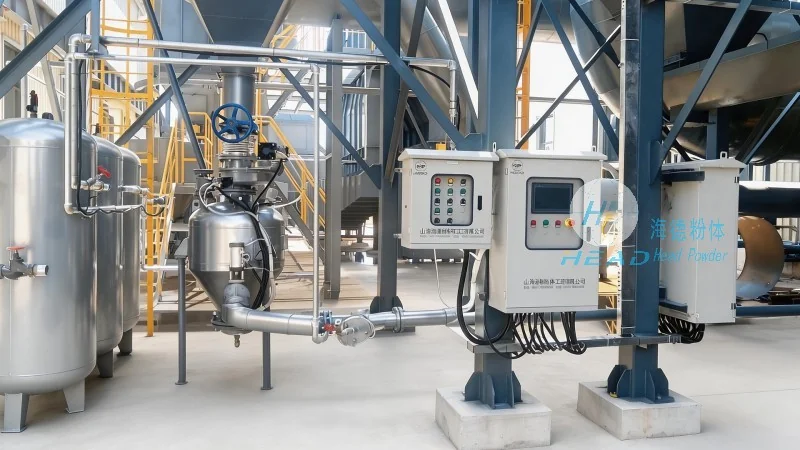
Cement and mineral powder pneumatic conveying refers to the technology of transporting dry bulk materials, such as cement, limestone, fly ash, and other mineral powders, through a pipeline using compressed air or other gas as the conveying medium. Unlike traditional mechanical conveying methods, which rely on belts, buckets, or screw conveyors, pneumatic systems utilize air pressure to move materials, eliminating the need for moving parts that can wear out or require frequent maintenance. The system typically includes a hopper for material storage, a feeder to control the flow rate, a conveying line where the material is suspended in the air stream, and a receiver to collect the material at the destination. The air flow is regulated by a blower or compressor, ensuring consistent and controlled transport of the material particles.
Classification of Pneumatic Conveying Systems
Pneumatic conveying systems are categorized based on the air velocity and material concentration, with two primary types: dilute-phase and dense-phase. Dilute-phase systems operate at higher air velocities, typically ranging from 20 to 30 meters per second, which allows the material particles to be suspended in the air stream. This method is suitable for short to medium-distance transport (up to several hundred meters) and low to medium material loads. The advantages of dilute-phase systems include lower energy consumption per unit of material and the ability to handle a wide range of particle sizes and densities. However, they may not be ideal for transporting sensitive materials or for long-distance transport due to the higher air velocities that can cause particle degradation or increased energy costs.
Dense-phase systems, in contrast, operate at lower air velocities and higher material concentrations. The material is transported in a plug or slurry form, where the particles are closely packed together, reducing the air velocity to a level that prevents particle separation. This method is particularly effective for longer distances (up to several kilometers) and for handling sensitive or abrasive materials, as it provides a gentler transport environment. Dense-phase systems typically use higher air pressures and may incorporate additional components like pulse jets or rotary valves to control the material flow. The key advantage of dense-phase systems is their ability to maintain material integrity and prevent degradation during transport, making them suitable for applications where product quality is critical.
Applications of Pneumatic Conveying in Cement and Mineral Processing
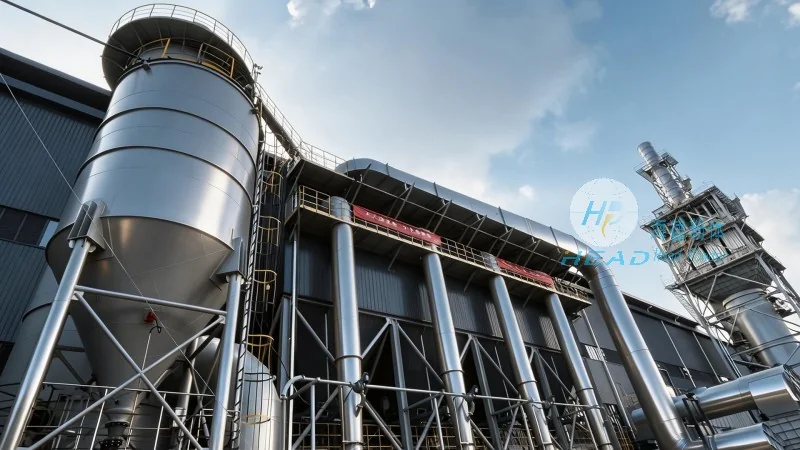
The applications of pneumatic conveying in the cement and mineral powder industry are extensive and integral to modern production processes. In cement manufacturing, these systems are used for transporting raw materials from storage silos to the raw mill, where they are ground into fine powders. The raw materials, including limestone, clay, and gypsum, are conveyed efficiently to the grinding facility, ensuring a continuous supply of feedstock. After the clinker is produced in the kiln, the finished cement is conveyed from the clinker silos to the packaging and shipping areas, where it is loaded into bags or bulk containers. Pneumatic conveying also plays a role in the transportation of secondary materials like fly ash and slag, which are often used as supplementary cementitious materials in concrete production.
In mineral processing, pneumatic conveying is employed to move raw ores, crushed materials, and processed powders between different stages of the production line. For example, in the mining industry, crushed ore is conveyed from the crushing and screening plant to the grinding mill, where it is further reduced in size. The ground material is then transported to the flotation or separation plant, where valuable minerals are extracted. Pneumatic systems are also used in the processing of non-metallic minerals, such as limestone, quartz, and silica, for applications like construction materials, glass manufacturing, and chemical production. The ability to handle fine powders and abrasive materials makes pneumatic conveying a preferred choice in these industries, as it minimizes material loss and reduces equipment wear compared to mechanical conveying methods.
Additionally, in construction and industrial applications, pneumatic conveying facilitates the transport of mineral powders for concrete mixing, coating, and other material applications. For instance, in ready-mix concrete plants, mineral powders like fly ash and silica fume are conveyed to the mixing station to enhance the concrete's properties. In industrial coating processes, mineral powders are used as pigments or fillers, and pneumatic systems ensure precise and consistent delivery of these materials to the coating equipment. The flexibility of pneumatic conveying allows for easy integration into existing production lines, adapting to varying material flow rates and process requirements.
About Shandong HeadPowder Engineering Co., Ltd.
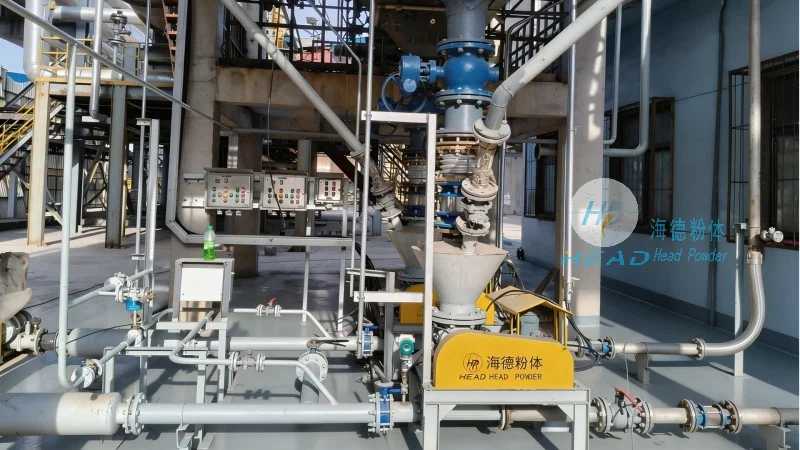
Shandong HeadPowder Engineering Co., Ltd., commonly known as HeadPowder, is a leading engineering company specializing in the design, manufacturing, and installation of pneumatic conveying systems for the cement and mineral powder industry. With a strong commitment to innovation and customer satisfaction, HeadPowder has established itself as a trusted partner for businesses seeking to optimize their material handling processes. The company’s headquarters is located in Shandong, China, a region known for its industrial strength and advanced manufacturing capabilities. HeadPowder leverages local expertise and resources to develop customized solutions that meet the unique challenges and requirements of each client.
HeadPowder’s team of experienced engineers and technicians brings a wealth of knowledge in pneumatic conveying technology, ensuring that each system is designed to maximize efficiency, reliability, and cost-effectiveness. The company focuses on providing comprehensive services, from initial consultation and system design to installation, commissioning, and after-sales support. This end-to-end approach ensures that clients receive not only high-quality equipment but also the expertise needed to operate and maintain the systems effectively. HeadPowder’s products and services are tailored to the specific needs of the cement and mineral powder sectors, addressing common challenges such as material handling efficiency, product quality preservation, and operational safety.
By combining advanced engineering with practical application, HeadPowder delivers pneumatic conveying solutions that enhance productivity and reduce operational costs for its clients. The company’s dedication to quality and customer-centric approach has earned it a reputation for excellence in the industry. Whether it's a new plant construction or an upgrade to an existing system, HeadPowder provides reliable and efficient solutions that help businesses achieve their production goals while maintaining the highest standards of material handling. With a focus on innovation and customer satisfaction, HeadPowder continues to be a key player in the global market for pneumatic conveying systems, serving clients in various regions and industries.