

Several Solutions for the Pneumatic Conveying of Calcium Carbonate Powder
For industrial applications involving the handling of calcium carbonate powder, selecting the appropriate pneumatic conveying system is crucial for efficiency, cost-effectiveness, and operational safety. This article explores several effective solutions tailored to the unique properties of calcium carbonate powder, highlighting key considerations and practical implementations, with insights from Shandong HeadPowder Engineering Co., Ltd., a leading provider of material handling solutions.
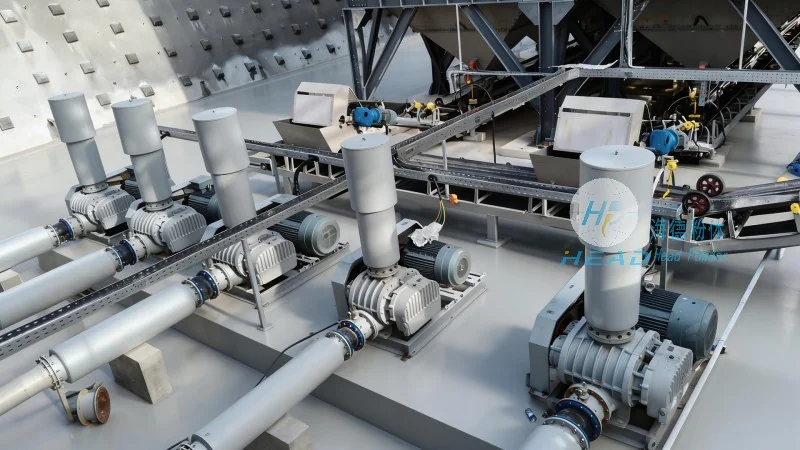
Understanding the Challenges of Calcium Carbonate Powder Conveying
Calcium carbonate (CaCO₃) powder, commonly used in industries such as paper, plastics, and coatings, presents specific challenges during material transport. Its fine particle size, hygroscopic nature, and tendency to agglomerate can affect the performance of traditional conveying methods. Effective pneumatic conveying requires systems that can handle these characteristics without compromising flow rates or system integrity. The choice of conveying solution depends on factors like material flow rate, distance, and the need for dust control, making a tailored approach essential.
Key Considerations for Pneumatic Conveying Systems
When designing a pneumatic conveying system for calcium carbonate powder, several critical factors must be addressed. First, the system must ensure consistent material flow to prevent blockages or uneven distribution. Second, the equipment should be capable of handling the powder's hygroscopic properties, which can lead to moisture absorption and caking if not managed properly. Third, dust containment is paramount, as calcium carbonate powder is often fine and can create significant airborne dust, posing health and environmental risks. Finally, energy efficiency and operational costs are key considerations, as pneumatic conveying systems can be energy-intensive.
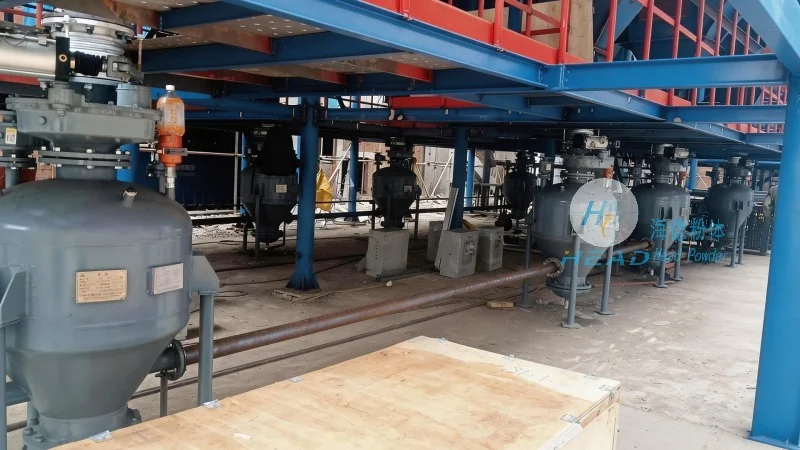
Solution 1: Dilute Phase Pneumatic Conveying
Dilute phase pneumatic conveying is a common and effective method for transporting calcium carbonate powder over moderate distances. This system uses low-pressure air to move the powder in a dilute suspension, typically at air-to-solid ratios of 5:1 to 10:1. The process involves feeding the powder into a venturi or pipeline where it is entrained by the air stream and transported to the destination. Dilute phase systems are suitable for applications requiring high flow rates and relatively short distances, such as between storage silos and processing units. They offer advantages like low pressure drop, reduced equipment wear, and the ability to handle abrasive materials like calcium carbonate powder.
Solution 2: Dense Phase Pneumatic Conveying
For applications requiring the transport of calcium carbonate powder over longer distances or with higher material loads, dense phase pneumatic conveying is often preferred. This method operates at higher air-to-solid ratios (typically 1:1 to 2:1) and uses higher pressure to move the powder in a dense, plug-like flow. Dense phase systems are particularly effective for handling fine powders that are prone to bridging or clogging in pipelines. They provide better control over material flow, reduce the risk of particle degradation, and are suitable for conveying materials to elevated storage or processing locations. The higher pressure in dense phase systems also enables the use of smaller diameter pipelines, which can be cost-effective for long-distance transport.
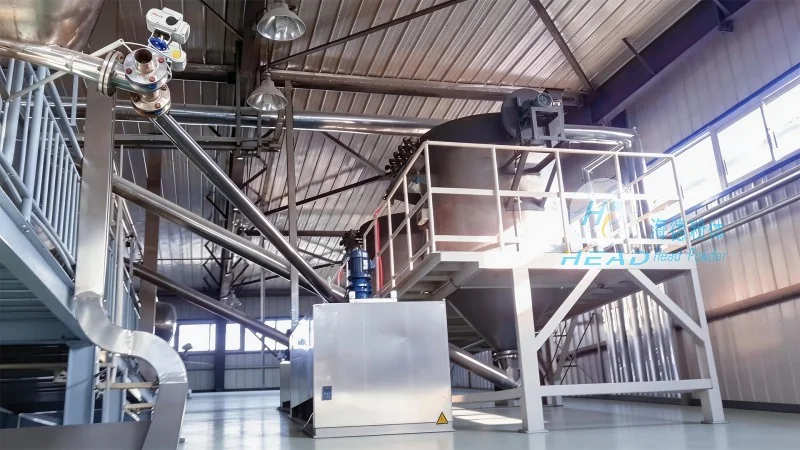
Solution 3: Hybrid Pneumatic Conveying Systems
Hybrid pneumatic conveying systems combine elements of both dilute and dense phase technologies to optimize performance for specific applications. These systems may use a dilute phase for initial transport and then transition to a dense phase for the final delivery, or they may operate in a mixed mode to balance flow rates and pressure requirements. Hybrid systems are ideal for complex conveying routes that involve multiple destinations or changes in elevation. They offer flexibility in handling varying material loads and distances, making them suitable for industrial plants with diverse processing needs. For calcium carbonate powder, hybrid systems can provide the best of both worlds—efficient transport over moderate distances and reliable, high-load delivery over longer routes.
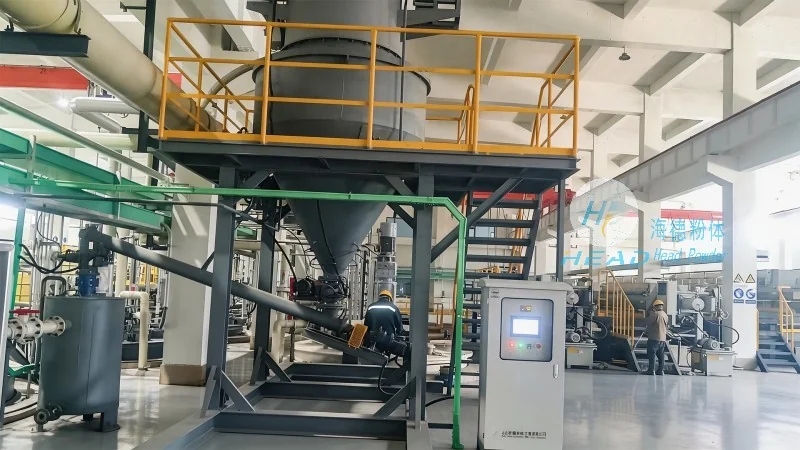
Implementation and Maintenance Considerations
Successfully implementing a pneumatic conveying system for calcium carbonate powder requires careful planning and maintenance. Proper equipment selection, such as high-quality air blowers, material feeders, and pipeline components, is essential to ensure long-term performance. Regular maintenance, including cleaning of filters, checking for wear in components, and monitoring air pressure, is crucial to prevent system downtime and maintain efficiency. Additionally, the system should be designed with dust control measures, such as cyclone separators and dust collection systems, to comply with environmental regulations and protect personnel health.
Conclusion
Choosing the right pneumatic conveying solution for calcium carbonate powder is a critical decision that impacts operational efficiency and cost. Whether using dilute phase, dense phase, or hybrid systems, the key is to match the system to the specific requirements of the application. By considering factors like material properties, distance, and flow rates, industrial facilities can select a system that ensures reliable, safe, and cost-effective transport of calcium carbonate powder. With proper design and maintenance, these systems can provide long-term benefits and support the smooth operation of production processes.