

Several Solutions for the Pneumatic Conveying of Chlorinated Polyethylene
Chlorinated polyethylene (CPE) is a versatile polymer widely used in various industrial applications due to its excellent chemical resistance, flexibility, and durability. The efficient handling and transportation of CPE powders or granules are critical for industrial processes, and pneumatic conveying systems offer a reliable solution. This article explores several effective approaches for the pneumatic conveying of chlorinated polyethylene, highlighting key considerations and practical implementations.
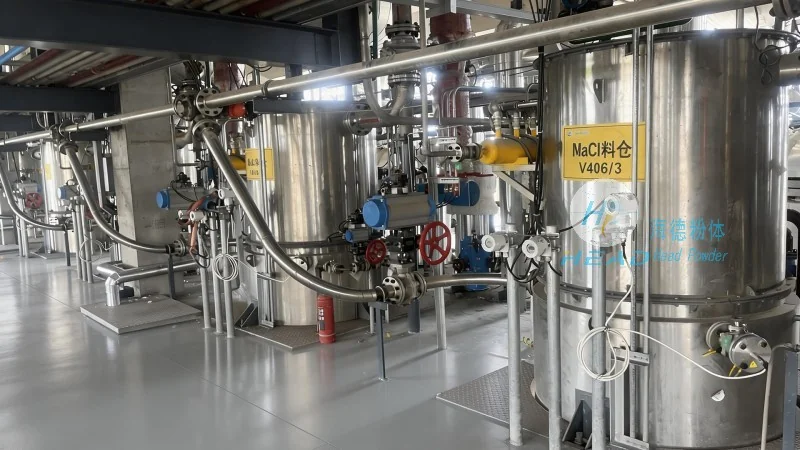
Understanding Pneumatic Conveying Systems
Pneumatic conveying systems utilize air or gas to transport bulk materials like CPE through a pipeline network. These systems can be categorized into two main types: dilute-phase and dense-phase. Dilute-phase systems, which are commonly used for CPE, operate at higher air velocities, allowing particles to be suspended in the air stream. Dense-phase systems, on the other hand, use lower air velocities and higher pressure to push the material through the pipeline, often resulting in a more controlled and gentle material flow. The choice between these systems depends on factors such as material properties, required conveying distance, and process requirements.
Key Factors Influencing Conveying Performance
Several factors play a crucial role in the successful operation of CPE pneumatic conveying systems. First, the particle size and density of the CPE material significantly affect the conveying efficiency. Finer particles may require higher air velocities to maintain suspension, while larger particles might need more pressure to ensure smooth transport. Additionally, the moisture content of the CPE is a critical factor, as excessive moisture can lead to material agglomeration or blockages in the pipeline. Proper drying of the material before conveying is often necessary to maintain optimal flow characteristics. Another important consideration is the air flow rate and pressure, which must be carefully calibrated to match the material's properties and the system's design. Inadequate air flow can result in material settling or pipeline blockages, while excessive air flow may lead to increased energy consumption and potential wear on system components.
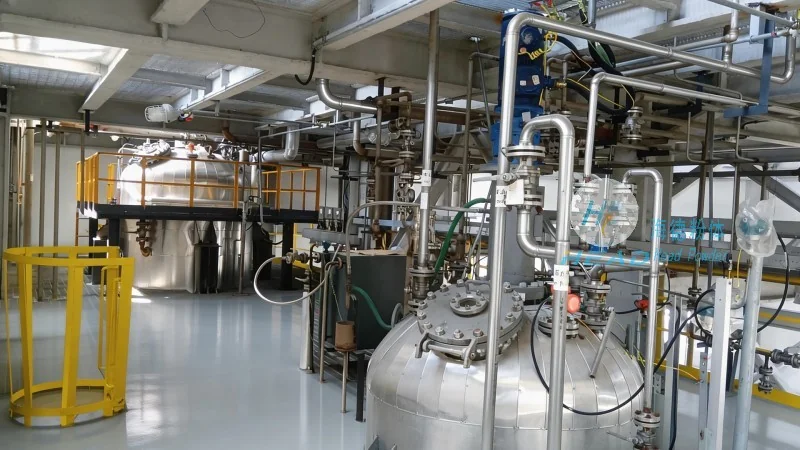
Solution 1: Positive Pressure Dilute-Phase Conveying
Positive pressure dilute-phase conveying is a widely adopted method for transporting CPE. In this system, air is supplied under pressure to the material feed point, and the material is drawn into the pipeline along with the air stream. This approach is particularly effective for short to medium conveying distances and for materials that are free-flowing. The system typically consists of a blower, a feed hopper, a pipeline, and a receiver. The blower provides the necessary air pressure, while the feed hopper ensures a consistent material supply. The pipeline is designed with appropriate bends and fittings to minimize pressure drop and maintain air velocity. The receiver collects the conveyed material and may include a dust collection system to prevent environmental contamination. This method offers advantages such as high conveying capacity, low material degradation, and relatively low initial investment compared to other systems. However, it may not be suitable for long-distance conveying or for materials with high moisture content, as the air velocity required can lead to increased energy consumption and potential wear on the pipeline.
Solution 2: Negative Pressure (Vacuum) Conveying
Negative pressure or vacuum conveying is another effective solution for the pneumatic transport of CPE, especially when the material needs to be collected from multiple points or when the conveying distance is relatively long. In this system, a vacuum is created at the receiver end, and the material is drawn into the pipeline by the vacuum. The air is then drawn from the feed point and through the material, carrying it to the receiver. This approach is particularly useful for applications where the material is to be collected from a hopper or a storage silo and transported to a processing unit. The system typically includes a vacuum pump, a receiver, a pipeline, and a feed device. The vacuum pump generates the necessary suction, while the feed device ensures a consistent material flow. The pipeline is designed with appropriate bends and fittings to maintain the vacuum and prevent air leakage. The receiver collects the material and may include a filter to remove any dust or particles from the air stream. Negative pressure conveying offers advantages such as the ability to transport materials from multiple sources to a single destination, reduced energy consumption compared to positive pressure systems for long distances, and lower noise levels. However, it may have higher initial costs due to the vacuum pump and may not be suitable for materials with high moisture content or for long-distance conveying, as the vacuum can lead to material settling or blockages.
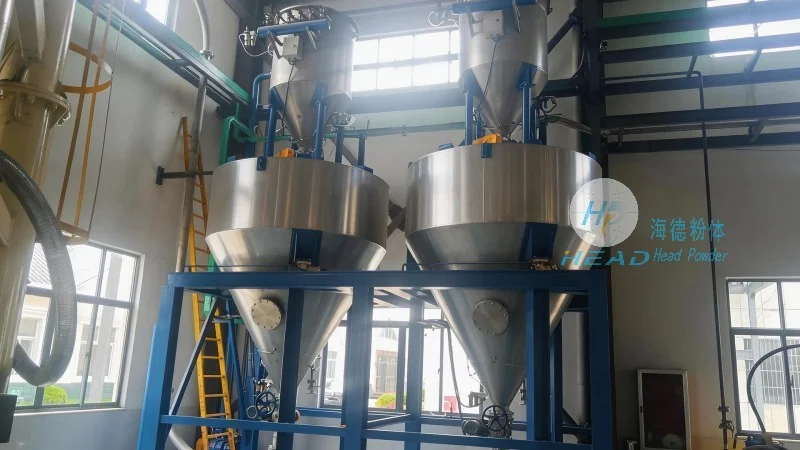
Solution 3: Hybrid Conveying Systems
Hybrid conveying systems combine elements of both positive and negative pressure systems to address the limitations of each approach. These systems are particularly useful for complex conveying scenarios, such as transporting CPE from multiple sources over varying distances or for materials with varying properties. A hybrid system typically includes a combination of a blower and a vacuum pump, with the air flow and pressure controlled based on the material's location and the required conveying distance. The system may start with a positive pressure section for short distances and then switch to a negative pressure section for longer distances, or vice versa. This approach allows for more flexibility in the conveying process and can optimize energy consumption and material handling efficiency. For example, a hybrid system might use positive pressure to transport CPE from a hopper to a processing unit over a short distance, and then switch to negative pressure to transport the material from the processing unit to a storage silo over a longer distance. The hybrid system may also include additional components such as cyclones or filters to separate the material from the air stream and to prevent blockages in the pipeline. This method offers advantages such as improved flexibility, reduced energy consumption, and enhanced material handling capabilities. However, it may have higher complexity and initial costs compared to single-pressure systems, and requires careful design and calibration to ensure optimal performance.
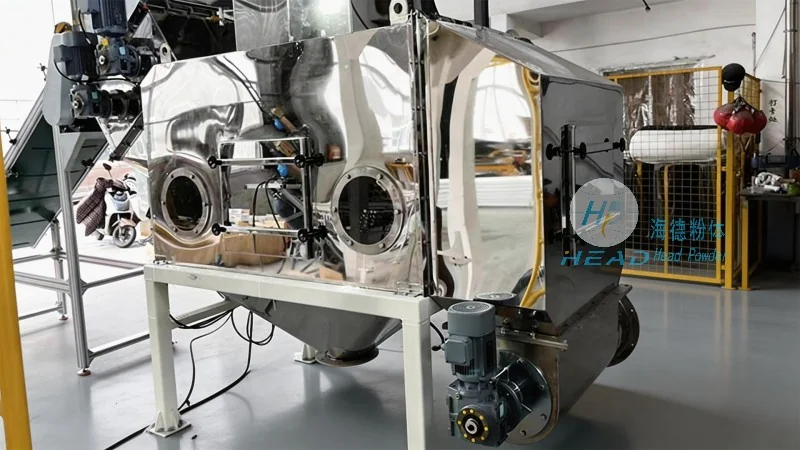
Material Handling Considerations for CPE
When implementing pneumatic conveying systems for CPE, several material handling considerations must be addressed to ensure efficient and reliable operation. First, the material's flow properties, such as its angle of repose and bulk density, must be considered when designing the feed hopper and the pipeline. The hopper should be designed to minimize material bridging or rat-holing, which can lead to uneven material flow and potential blockages. The pipeline diameter and length should be optimized to maintain the required air velocity and pressure, while minimizing pressure drop and energy consumption. Additionally, the material's chemical properties, such as its resistance to moisture and chemicals, must be considered when selecting the materials for the pipeline and the system components. For example, the pipeline may need to be made of corrosion-resistant materials to prevent degradation of the CPE material over time. The system components, such as the blower and the vacuum pump, should be selected based on the material's properties and the required conveying capacity. Regular maintenance and inspection of the system are also essential to ensure optimal performance and to prevent equipment failure. This includes checking for air leaks, cleaning the filters and cyclones, and inspecting the pipeline for any signs of wear or damage. By addressing these material handling considerations, the pneumatic conveying system for CPE can operate efficiently and reliably, ensuring consistent material flow and minimizing downtime.
Conclusion
In conclusion, the pneumatic conveying of chlorinated polyethylene can be effectively achieved through several solutions, each with its own advantages and limitations. Positive pressure dilute-phase conveying is suitable for short to medium distances and free-flowing materials, while negative pressure conveying is ideal for long distances and multiple source applications. Hybrid systems offer flexibility and can optimize energy consumption for complex scenarios. The key to successful implementation lies in understanding the material properties, carefully designing the system, and addressing material handling considerations such as flow properties, moisture content, and system maintenance. By selecting the appropriate conveying method and implementing proper system design and maintenance, industrial processes can achieve efficient and reliable transportation of CPE, ensuring consistent performance and minimizing operational challenges. As a leading provider of engineering solutions, Shandong HeadPowder Engineering Co., Ltd. specializes in designing and manufacturing pneumatic conveying systems tailored to the specific needs of CPE applications, ensuring optimal performance and reliability for industrial clients.