

Several Solutions for the Pneumatic Conveying of Lithium-Ion Battery Positive Electrodes
For manufacturers of lithium-ion battery positive electrodes, efficient and reliable material handling is crucial to production efficiency and product quality. Pneumatic conveying systems offer a flexible and effective solution for transporting these materials. This article introduces several key solutions for the pneumatic conveying of lithium-ion battery positive electrodes, highlighting the technical advantages and practical applications of each approach.
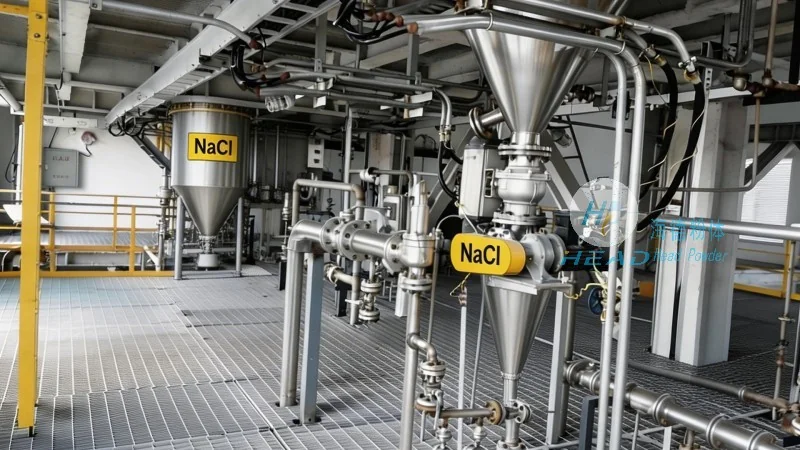
HeadPowder, a leading engineering company based in Shandong, China, specializes in the design and implementation of advanced material handling systems tailored to the needs of the battery industry. With years of experience in the field, HeadPowder provides comprehensive solutions that ensure safe, efficient, and cost-effective material transport for lithium-ion battery production lines.
Positive Pressure Conveying Systems
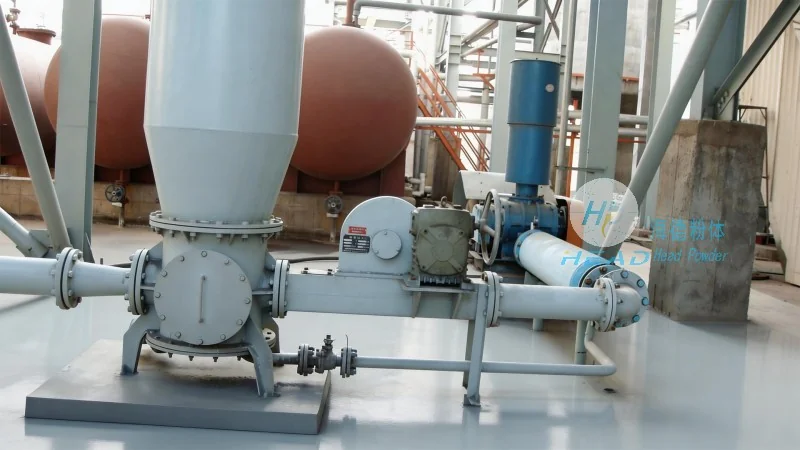
Positive pressure conveying systems use compressed air to push material through a pipeline. This method is particularly effective for transporting fine powders and granules, such as lithium cobalt oxide (LiCoO₂), lithium iron phosphate (LiFePO₄), and other battery active materials. The primary advantage of positive pressure systems is their ability to handle a wide range of particle sizes and moisture content, making them suitable for various production environments. The system typically includes a material feeder, a conveying line, and a dust collector. The compressed air is introduced at the material inlet, creating a positive pressure that propels the material forward. This approach minimizes material degradation and ensures consistent flow rates, which is critical for maintaining product quality in battery manufacturing.
Negative Pressure Conveying Systems
Negative pressure conveying systems, also known as vacuum systems, use suction to draw material into the pipeline. This method is ideal for applications where material needs to be transported from multiple points or over longer distances. The system consists of a vacuum pump, a material hopper, and a conveying line. The vacuum creates a pressure differential that pulls the material into the pipeline. Negative pressure systems are often preferred for their ability to handle larger particles and for their lower energy consumption compared to positive pressure systems. However, they may require more maintenance due to the higher stress on the vacuum pump and the need for proper sealing to prevent air leaks.
Combined Positive and Negative Pressure Systems
For complex production lines that require both material intake and discharge at multiple points, combined positive and negative pressure systems offer a versatile solution. These systems integrate the benefits of both positive and negative pressure approaches. In such setups, a positive pressure section is used to transport material from the source to a central point, while a negative pressure section is used to distribute the material to different destinations. This configuration allows for efficient material handling in large-scale battery production facilities, where multiple processing units may be connected to a single material transport network. The combined system ensures balanced flow and reduces the risk of material buildup or blockages, enhancing overall operational efficiency.
Advantages of Pneumatic Conveying for Battery Positive Electrodes
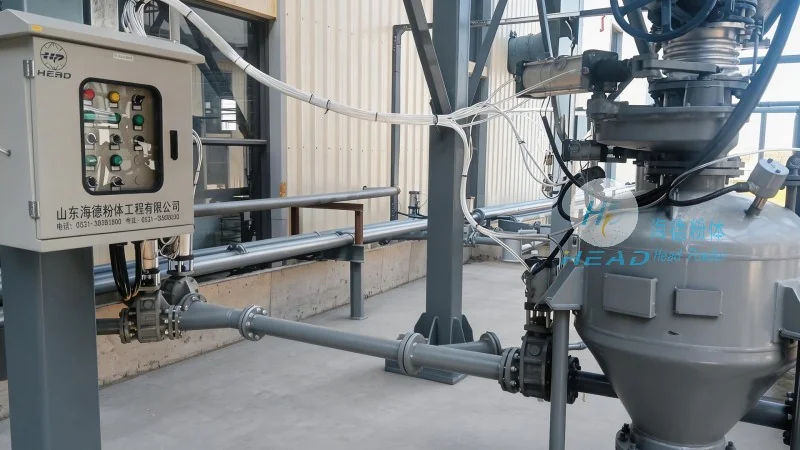
When compared to traditional mechanical conveying methods, pneumatic conveying offers several key advantages for lithium-ion battery positive electrode materials. Firstly, it eliminates the need for moving parts in the conveying line, reducing maintenance costs and minimizing the risk of material contamination. Secondly, the enclosed system prevents dust and particulate emissions, which is essential for maintaining a clean and safe working environment in battery manufacturing facilities. Thirdly, pneumatic conveying systems can handle materials with varying moisture levels and particle sizes, providing flexibility in production. Additionally, these systems are capable of transporting materials over long distances and through multiple processing stages without significant loss of material quality. The ability to control flow rates and pressure allows manufacturers to optimize production processes and improve overall efficiency.
HeadPowder's Customized Pneumatic Conveying Solutions
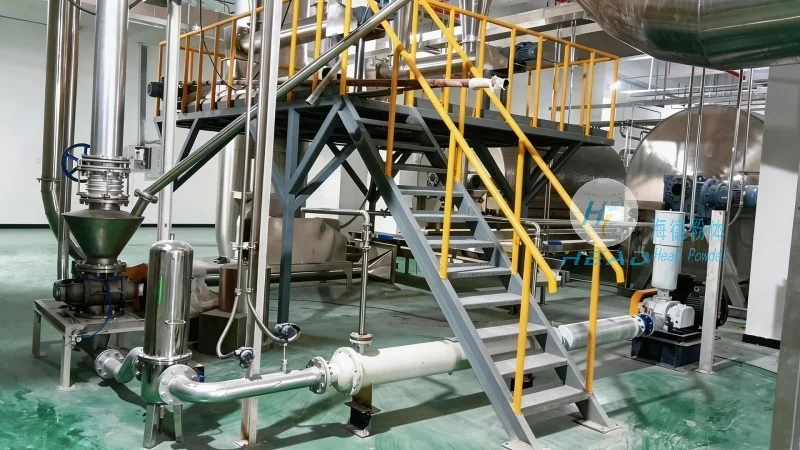
HeadPowder Engineering Co., Ltd., based in Shandong, China, provides tailored pneumatic conveying solutions for the lithium-ion battery industry. The company works closely with clients to understand their specific production requirements, including material types, production volumes, and facility layout. Based on this information, HeadPowder designs and implements systems that meet the highest standards of efficiency and reliability. For example, a typical solution might include a positive pressure conveying system for transporting fine battery active materials from a storage silo to a mixing or coating unit. The system would be equipped with a high-capacity material feeder and a robust dust collector to ensure safe and clean operation. HeadPowder also offers maintenance and support services to ensure the long-term performance of the conveying systems, providing clients with peace of mind and consistent production output.
Conclusion
Pneumatic conveying systems are a critical component of modern lithium-ion battery production lines, offering efficient and reliable material handling solutions. By understanding the different types of pneumatic conveying systems and their applications, manufacturers can select the most appropriate technology to meet their production needs. HeadPowder Engineering Co., Ltd., with its expertise and experience in the field, provides comprehensive solutions that enhance production efficiency, improve product quality, and ensure compliance with industry standards. For companies in the battery industry, investing in advanced pneumatic conveying systems is a strategic step toward optimizing their production processes and maintaining a competitive edge in the market.