

Several Solutions for the Pneumatic Conveying of Anhydrous Aluminum Chloride
For industrial applications requiring the efficient and safe transportation of anhydrous aluminum chloride, various pneumatic conveying solutions have been developed to meet diverse operational needs. These methods are designed to ensure reliable material handling while minimizing risks associated with dust, moisture, and equipment wear. The following discussion outlines several effective approaches to the pneumatic conveying of anhydrous aluminum chloride, highlighting key considerations and practical implementations.
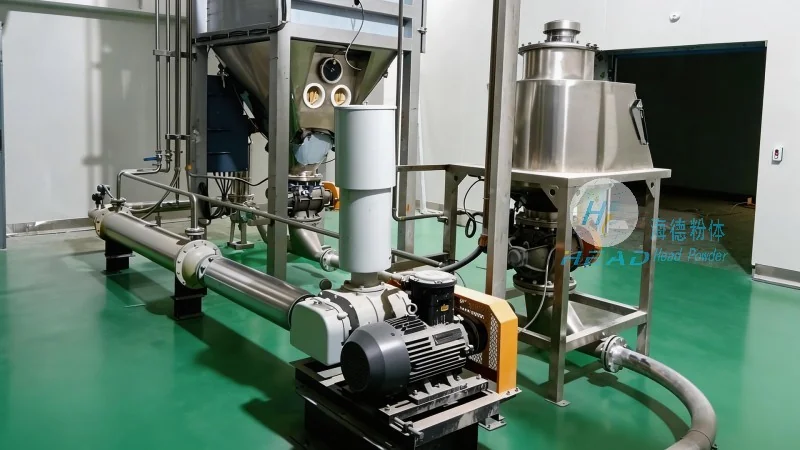
Overview of Pneumatic Conveying Systems
Pneumatic conveying systems utilize air or gas to transport bulk materials like anhydrous aluminum chloride through a pipeline network. These systems are categorized into two main types: pressure and vacuum systems. Pressure systems, which operate by forcing air or gas into the material stream, are often preferred for long-distance or high-volume conveying due to their ability to maintain consistent flow rates and prevent material degradation. Vacuum systems, on the other hand, use suction to draw material into the pipeline, making them suitable for short-distance or low-volume applications where material is already in a hopper or storage bin.
Key Considerations for Anhydrous Aluminum Chloride Conveying
When designing a pneumatic conveying system for anhydrous aluminum chloride, several critical factors must be addressed to ensure optimal performance and safety. First, the material's physical properties, such as its density, flowability, and moisture sensitivity, play a crucial role in selecting the appropriate conveying method. Anhydrous aluminum chloride is a hygroscopic substance, meaning it readily absorbs moisture from the air, which can lead to clumping or caking if not handled properly. Therefore, maintaining a dry environment and using sealed systems are essential to preserve the material's quality. Second, the system's design must account for the material's reactivity and potential for dust generation. Aluminum chloride is a corrosive chemical that can cause wear on metal components, so materials like stainless steel or specialized alloys are often used for the pipeline and equipment. Additionally, dust control measures, such as filtration systems and explosion-proof designs, are critical to prevent accidents and ensure compliance with safety regulations.
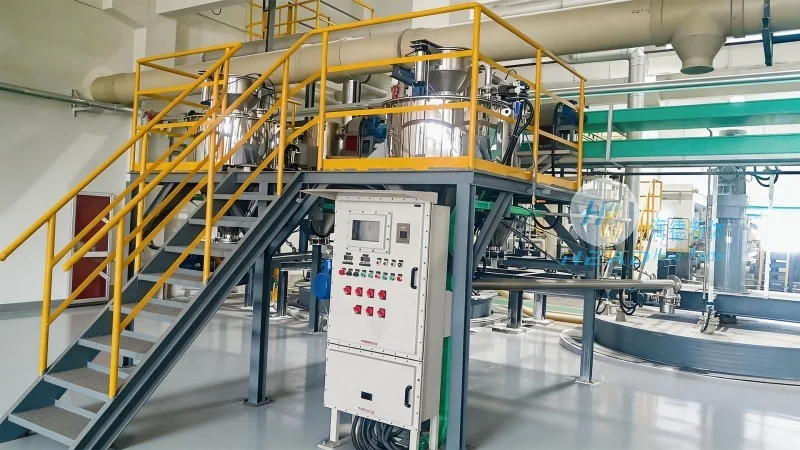
Solution 1: Positive Pressure Dilute Phase Conveying
One of the most common solutions for anhydrous aluminum chloride pneumatic conveying is the positive pressure dilute phase system. In this method, air is introduced at a high velocity into the material, creating a suspension that travels through the pipeline. The key advantages of this approach include high conveying capacities, long-distance transport capabilities, and the ability to handle abrasive materials without excessive wear. The system typically consists of a blower, a hopper with a rotary valve for material discharge, and a pipeline network leading to the destination point. The air velocity is carefully controlled to ensure that the material particles remain suspended and do not settle out of the stream. This method is particularly effective for applications where the material needs to be transported from a central storage facility to multiple processing units or for long-distance shipping.
Solution 2: Vacuum Conveying with Enclosed Hoppers
For shorter conveying distances or when the material is already stored in an enclosed hopper, vacuum conveying offers a practical alternative. This system operates by creating a vacuum in the pipeline, which draws the material from the hopper into the conveying line. The vacuum is generated by a vacuum pump, and the material is transported through a flexible hose or rigid pipe. The main benefits of vacuum conveying include lower energy consumption compared to pressure systems and the ability to handle materials that are difficult to feed, such as those with high moisture content or sticky properties. However, vacuum systems have limitations in terms of conveying distance and capacity, making them suitable for applications where the material is located close to the processing equipment. The system also requires careful maintenance to prevent clogging and ensure consistent suction pressure.
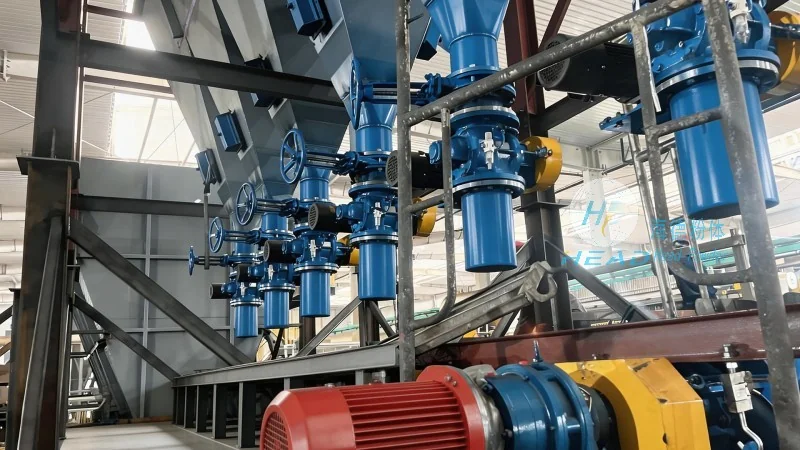
Solution 3: Dense Phase Conveying for High-Pressure Applications
In some industrial processes, particularly those involving high-pressure or high-temperature conditions, dense phase conveying may be preferred. This method involves operating the system at a lower air velocity, which causes the material to form a dense slug or plug within the pipeline. The dense phase reduces the risk of material degradation and equipment wear, as the particles are less likely to collide with the pipe walls. Dense phase conveying is often used in applications where the material needs to be transported at high pressure, such as for injection into reactors or for feeding into high-speed processing equipment. The system typically uses a positive pressure blower and a specialized valve to control the material flow, ensuring that the slug is maintained and the conveying process is efficient. This approach is particularly effective for handling abrasive or corrosive materials like anhydrous aluminum chloride, as it minimizes the impact forces on the pipeline and equipment.
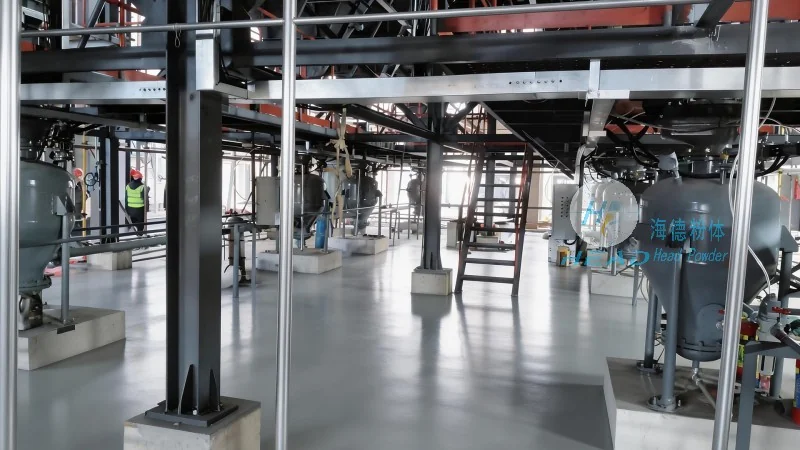
Implementation and Maintenance Considerations
Regardless of the chosen pneumatic conveying solution, proper implementation and regular maintenance are essential to ensure long-term reliability and performance. The system design must account for factors such as the material's flowability, the conveying distance, and the required throughput. For example, the size of the pipeline and the air velocity must be optimized to prevent excessive pressure drops or material settling. Regular inspection of the pipeline and equipment is necessary to detect signs of wear or corrosion, particularly in components exposed to the corrosive aluminum chloride. Filters and dust collection systems should be checked and replaced as needed to maintain air quality and prevent clogging. Additionally, the system should be equipped with safety features, such as pressure relief valves and explosion-proof designs, to comply with industrial safety standards. Proper training for operators on the system's operation and maintenance is also crucial to ensure safe and efficient operation.
Conclusion
The pneumatic conveying of anhydrous aluminum chloride requires careful consideration of the material's properties and the operational requirements of the application. By selecting the appropriate system—whether a positive pressure dilute phase, vacuum, or dense phase approach—and implementing proper design and maintenance practices, industrial facilities can achieve efficient, safe, and reliable material handling. The solutions provided by Shandong HeadPowder Engineering Co., Ltd. leverage advanced engineering principles and materials to address the unique challenges of conveying anhydrous aluminum chloride, ensuring that clients receive tailored systems that meet their specific needs. With a focus on quality and safety, HeadPowder offers comprehensive solutions that enhance productivity and reduce operational risks in industrial applications.