

Several Solutions for Pneumatic Conveying of Dry Desulfurization Fly Ash
When it comes to the efficient handling and transportation of dry desulfurization fly ash, selecting the right pneumatic conveying system is crucial for industrial operations. The process of dry flue gas desulfurization (FGD) generates a significant amount of fly ash, which needs to be transported from the desulfurization unit to storage or disposal sites. This article explores several effective solutions for pneumatic conveying of dry desulfurization fly ash, highlighting the technical approaches and considerations for optimal performance.
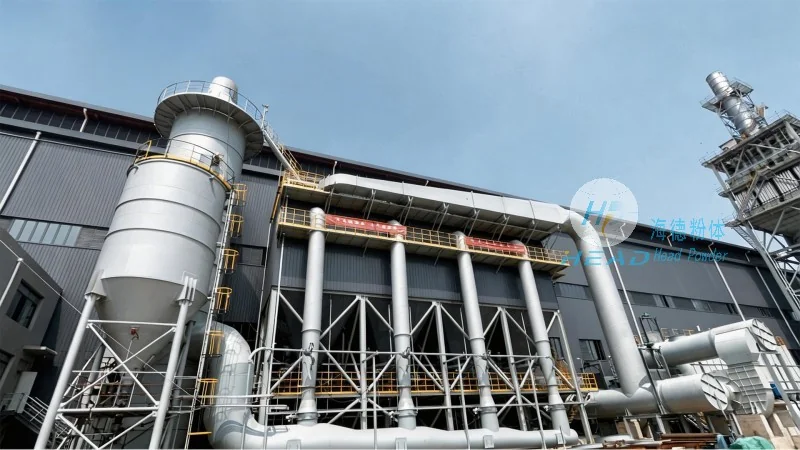
Understanding Dry Desulfurization Fly Ash and Its Handling Challenges
Dry desulfurization fly ash is a byproduct of flue gas desulfurization processes used to reduce sulfur dioxide emissions from power plants and industrial facilities. Unlike wet desulfurization, which produces a slurry, dry desulfurization yields a dry, powdery material that is more challenging to handle due to its fine particle size and potential for dust generation. The key challenges in transporting this material include maintaining consistent flow rates, preventing material degradation, and ensuring minimal environmental impact from dust emissions. These challenges necessitate specialized pneumatic conveying systems designed to handle the unique properties of dry desulfurization fly ash.
Key Considerations for Pneumatic Conveying Systems
Before selecting a pneumatic conveying solution, several factors must be considered to ensure the system meets operational requirements and efficiency standards. The first consideration is the material's physical properties, such as particle size distribution, density, and moisture content. These properties influence the choice of conveying method—whether it's a positive pressure system, negative pressure system, or a combination of both. The second factor is the distance and elevation change between the source and destination points, as this affects the required air velocity and pressure. Additionally, the system's capacity and reliability are critical, especially in continuous industrial operations where downtime can lead to significant losses. Environmental regulations also play a role, as the system must minimize dust emissions and comply with local air quality standards.
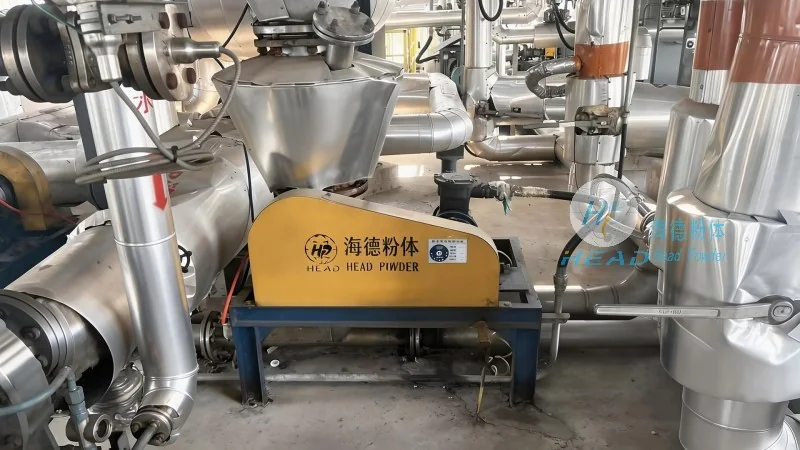
Several Pneumatic Conveying Solutions for Dry Desulfurization Fly Ash
There are several effective pneumatic conveying solutions tailored to the needs of dry desulfurization fly ash handling. One common approach is the use of a positive pressure system, which involves blowing air through a pipeline to move the material. This method is suitable for short to medium distances and can handle relatively high material loads. The system typically includes a blower, a hopper for material storage, and a pipeline network with appropriate valves and controls. For longer distances or when dealing with higher material volumes, a combination of positive and negative pressure systems may be employed. This hybrid approach uses a positive pressure section to start the flow and a negative pressure section to maintain it, optimizing energy consumption and material transport efficiency.
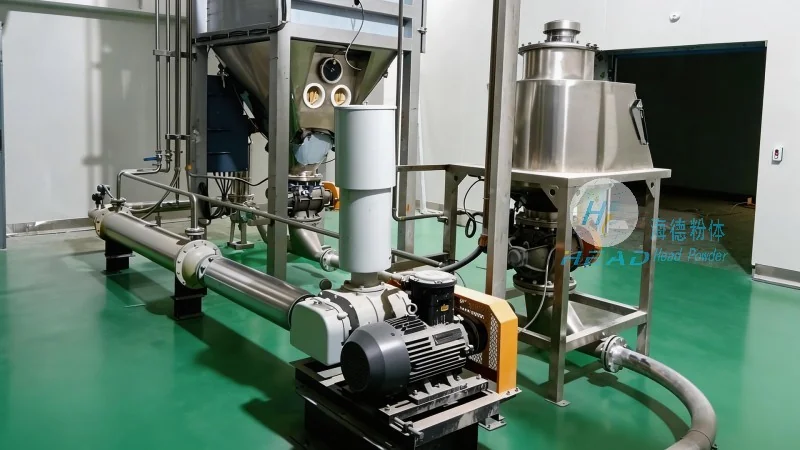
Another solution is the use of a dilute phase pneumatic conveyor, which is ideal for transporting dry desulfurization fly ash over moderate distances. In this system, the material is suspended in a high-velocity air stream, allowing it to travel through the pipeline with minimal pressure drop. The dilute phase system is particularly effective for fine particles, as it prevents agglomeration and ensures consistent flow. However, it requires higher air velocities and more energy compared to dense phase systems. For applications where energy efficiency is a priority, a dense phase pneumatic conveyor may be preferred. In this system, the material is conveyed in a low-velocity air stream, resulting in a higher material concentration in the pipeline. This approach reduces energy consumption but may require larger pipelines and more complex control systems.
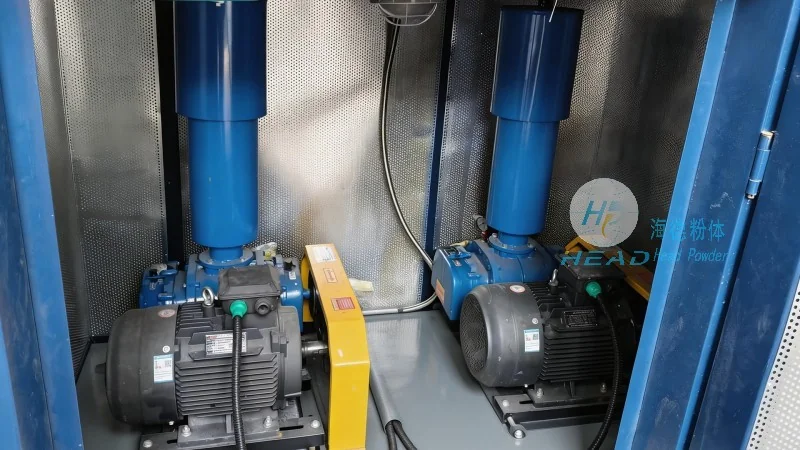
Case Study: Implementation of Pneumatic Conveying by Shandong HeadPowder Engineering Co., Ltd.
Shandong HeadPowder Engineering Co., Ltd., a leading provider of industrial material handling solutions, has successfully implemented several pneumatic conveying systems for dry desulfurization fly ash projects. The company specializes in designing and manufacturing customized systems that address the unique challenges of each client's operation. For example, in a recent project for a thermal power plant in China, HeadPowder designed a positive pressure dilute phase system to transport fly ash from the desulfurization unit to a storage silo. The system was engineered to handle a material flow rate of 20 tons per hour, with a particle size range of 10-200 microns. The design incorporated advanced control systems to maintain consistent pressure and flow, ensuring reliable operation. The project resulted in a 15% reduction in energy consumption compared to traditional methods and improved overall system efficiency.
Conclusion and Recommendations
In conclusion, the effective pneumatic conveying of dry desulfurization fly ash requires careful consideration of material properties, system design, and operational requirements. By selecting the appropriate conveying method—whether positive pressure, negative pressure, dilute phase, or dense phase—industrial facilities can achieve efficient and reliable transport of fly ash while minimizing environmental impact. Companies like Shandong HeadPowder Engineering Co., Ltd. play a vital role in providing customized solutions that meet these needs, leveraging their expertise in material handling technology to deliver optimal performance. For industries dealing with dry desulfurization fly ash, investing in a well-designed pneumatic conveying system is essential for maintaining operational efficiency and compliance with environmental regulations.