

Several Solutions for PVC Resin Powder Pneumatic Conveying
Efficient and reliable transportation of PVC resin powders is a critical aspect of industrial operations, particularly in manufacturing processes where consistent material handling is essential for maintaining production quality and efficiency. Pneumatic conveying systems offer a versatile and effective solution for moving these fine powders from one location to another, and there are several approaches that can be employed depending on the specific requirements of the application.
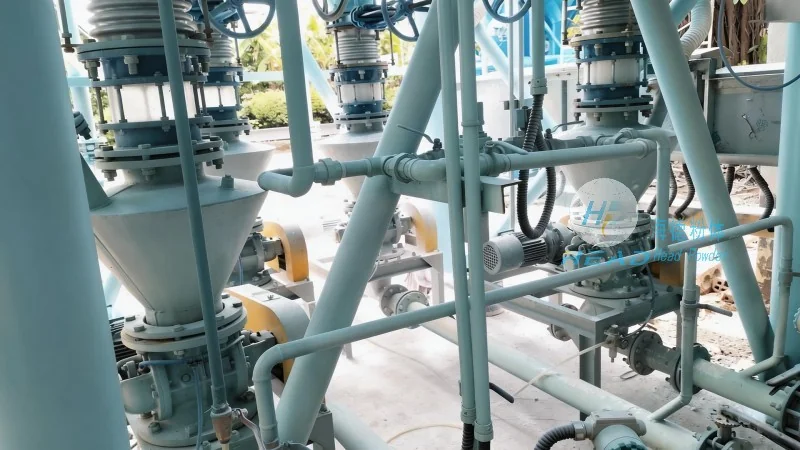
Overview of Pneumatic Conveying for PVC Resin Powders
Pneumatic conveying involves the use of air or other gases to transport solid materials through a pipeline system. For PVC resin powders, which are often used in applications such as plastic manufacturing, construction materials, and chemical processing, the choice of conveying method can significantly impact process performance, material integrity, and overall system costs. The primary goal is to achieve a smooth, continuous flow of the powder while minimizing issues like clogging, degradation, or loss of material.
Key Considerations for Selecting Pneumatic Conveying Solutions
When evaluating pneumatic conveying systems for PVC resin powders, several factors must be considered to ensure optimal performance. These include the characteristics of the powder itself—such as particle size, density, and moisture content—the distance and elevation changes between the source and destination, the required flow rate, and the overall system budget. Additionally, the need for cleanroom environments or the presence of hazardous materials may influence the selection of equipment and materials.
Several Pneumatic Conveying Solutions for PVC Resin Powders
There are primarily two types of pneumatic conveying systems used for PVC resin powders: pressure and vacuum systems. Each has its own advantages and is suitable for different operational scenarios.

1. Pressure Conveying Systems
Pressure conveying systems operate by blowing air or gas under pressure into the conveying line, pushing the PVC resin powder from the source to the destination. This method is particularly effective for short to medium distances and when the material needs to be transported at high flow rates. The system typically includes a positive displacement blower or compressor, a hopper for storing the powder, and a pipeline network that directs the material to the receiving point. Pressure systems are known for their high efficiency and ability to handle abrasive or sticky powders, making them a popular choice for many industrial applications.
2. Vacuum Conveying Systems
Vacuum conveying systems, on the other hand, use a vacuum to draw the PVC resin powder from the source into the conveying line. This approach is ideal for longer distances or when the material needs to be transported from multiple points to a central collection point. The system consists of a vacuum pump, a hopper, and a network of pipes that can be configured to accommodate various pick-up locations. Vacuum systems are often preferred for applications where the material is sensitive to pressure or where the need to minimize dust emissions is a priority.
3. Hybrid Conveying Systems
Hybrid systems combine elements of both pressure and vacuum conveying to provide flexibility and enhanced performance. These systems may use a vacuum to draw the powder from the source and then a pressure boost to transport it over longer distances or to overcome elevation changes. Hybrid solutions are particularly useful in complex layouts where multiple pick-up and delivery points are required, offering a balanced approach to material handling.
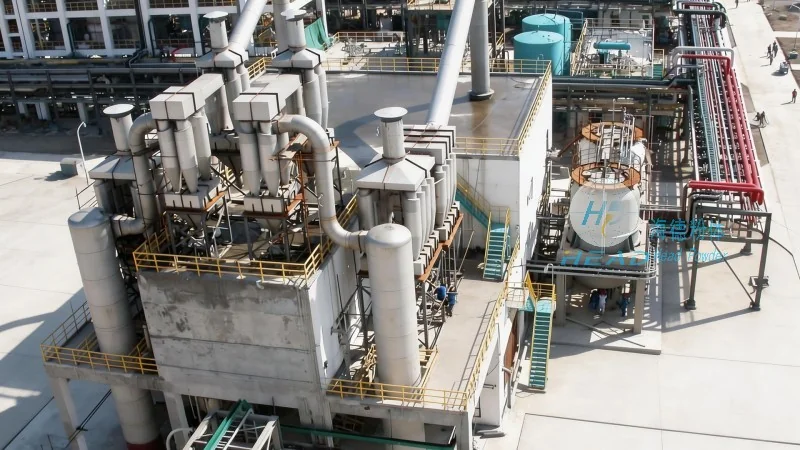
Benefits of Implementing Pneumatic Conveying for PVC Resin Powders
Adopting pneumatic conveying systems for PVC resin powders offers numerous benefits. These include improved process reliability, reduced labor costs associated with manual handling, and enhanced safety by minimizing exposure to dust and other airborne particles. Additionally, pneumatic systems can help maintain the purity of the material by preventing contamination from external sources and reducing the risk of material degradation during transport. The ability to control flow rates and pressure levels also allows for precise material delivery, which is crucial for maintaining consistent product quality in downstream processes.
Case Study: Application in a PVC Manufacturing Facility
A leading PVC resin manufacturer in China, Shandong HeadPowder Engineering Co., Ltd., recently implemented a custom pneumatic conveying system to improve material handling efficiency in their production line. The company, known for its expertise in powder processing solutions, designed a pressure conveying system tailored to the specific characteristics of their PVC resin powders. The system was installed to transport resin from storage silos to the extrusion and molding equipment, covering a distance of approximately 150 meters with multiple elevation changes. The implementation resulted in a significant reduction in material handling time, improved production throughput, and a lower incidence of clogging or material loss. This success highlights the effectiveness of pneumatic conveying solutions in optimizing industrial processes.
Conclusion and Recommendations
Choosing the right pneumatic conveying solution for PVC resin powders requires careful consideration of operational needs, material properties, and system constraints. Whether opting for a pressure, vacuum, or hybrid system, the goal is to achieve efficient, reliable, and cost-effective material transport. For businesses seeking to enhance their PVC resin handling capabilities, consulting with experienced engineering firms like Shandong HeadPowder Engineering Co., Ltd. can provide valuable insights and customized solutions. By leveraging the expertise of such companies, manufacturers can ensure that their pneumatic conveying systems are optimized for performance and longevity, ultimately contributing to improved overall operational efficiency.