

Several Solutions for Pneumatic Conveying of Compound Fertilizers
Shandong HeadPowder Engineering Co., Ltd., a leading enterprise in the field of fertilizer processing and conveying systems, specializes in providing innovative solutions for the efficient and reliable transport of compound fertilizers. The company, often referred to as HeadPowder, is headquartered in Shandong, China, and has established itself as a trusted partner for agricultural and industrial clients seeking advanced material handling technologies.
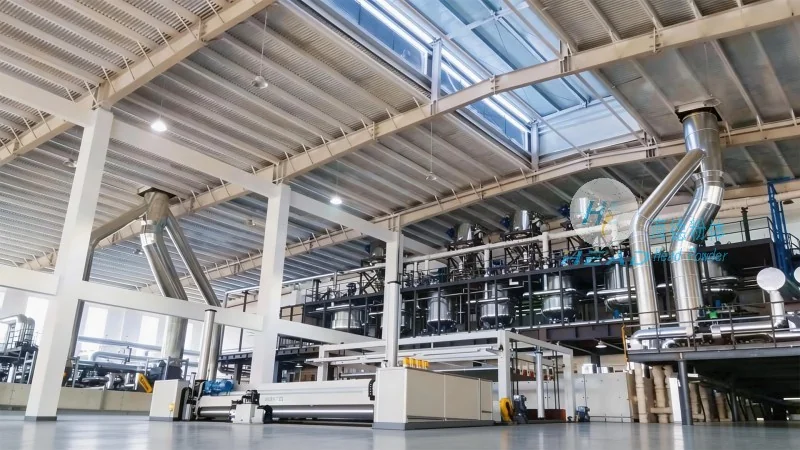
Advantages of Pneumatic Conveying in Fertilizer Handling
Pneumatic conveying systems offer several key advantages when handling compound fertilizers. These include reduced dust generation, which enhances workplace safety and environmental compliance. Additionally, the technology allows for continuous, automated material transport, minimizing labor costs and increasing operational efficiency. The systems are also flexible, capable of handling various types of fertilizers with different particle sizes and moisture contents, making them suitable for diverse production and storage applications.
Several Pneumatic Conveying Solutions for Compound Fertilizers
HeadPowder offers multiple pneumatic conveying solutions tailored to different operational needs and site conditions. The first solution is the positive pressure system, which uses a blower to generate air pressure and transport material through a pipeline. This method is ideal for short to medium distance transport and is particularly effective for handling dry, free-flowing fertilizers. The second solution is the negative pressure system, which operates by creating a vacuum to draw material into the pipeline. This approach is well-suited for applications requiring the collection of material from multiple points or for handling dusty or sticky materials.
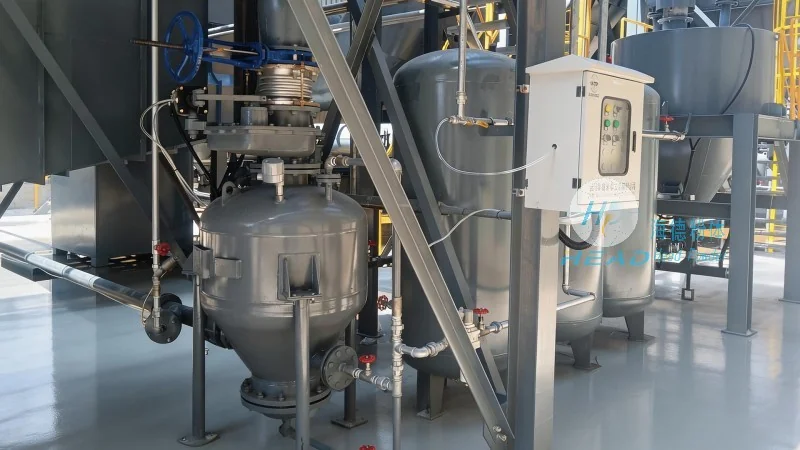
Different Types of Pneumatic Conveying Systems
Within the broader category of pneumatic conveying, HeadPowder implements both dense-phase and dilute-phase systems. Dense-phase conveying uses higher air velocities and lower material velocities to create a compact flow of material, which is beneficial for transporting sensitive or high-value fertilizers with minimal product degradation. Dilute-phase systems, on the other hand, use lower air velocities and higher material velocities, making them suitable for long-distance transport and handling large volumes of material at a time. The choice between these systems depends on factors such as the distance to be covered, the volume of material to be moved, and the specific characteristics of the fertilizer being handled.
System Components and Configuration
Each pneumatic conveying system implemented by HeadPowder includes essential components designed to ensure optimal performance and reliability. These components typically include a material feeder, which accurately controls the flow rate of the fertilizer into the system. The feeder may be a rotary valve, screw feeder, or other type of device depending on the material's properties. The conveying line, usually made of stainless steel or other corrosion-resistant materials, is designed to withstand the abrasive nature of fertilizers and maintain hygiene standards. A separation and collection unit is also included to clean the air and return any material that may have escaped the pipeline back to the process. Additionally, the system may incorporate filters and cyclones to remove dust and ensure that the air discharged is clean and compliant with environmental regulations.
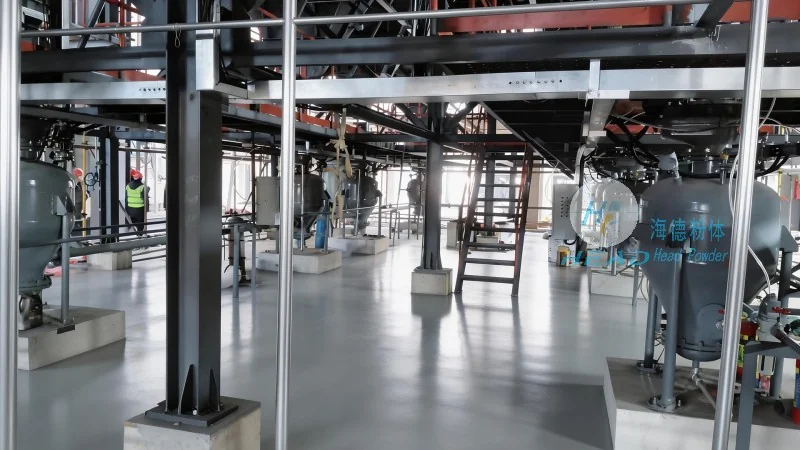
Application Considerations and Customization
When selecting a pneumatic conveying solution for compound fertilizers, several factors must be considered to ensure the system meets the specific requirements of the operation. These factors include the distance between the source and destination, the volume of material to be transported, the particle size and moisture content of the fertilizer, and the available space for installation. HeadPowder provides customized solutions by evaluating these factors and designing a system that is both efficient and cost-effective. The company's engineers work closely with clients to understand their operational needs and provide recommendations tailored to their unique situation. This approach ensures that the final system not only meets current requirements but also allows for future expansion and adaptation as the business grows.
Conclusion
Shandong HeadPowder Engineering Co., Ltd. offers a range of advanced pneumatic conveying solutions for the efficient handling of compound fertilizers. By leveraging both positive and negative pressure systems, as well as dense-phase and dilute-phase technologies, the company provides tailored solutions that enhance productivity, improve safety, and ensure compliance with environmental standards. With its headquarters in Shandong, China, HeadPowder continues to be a leader in the development and implementation of innovative material handling systems, serving clients across various industries with reliable and efficient solutions for their fertilizer transport needs.