

Several Solutions for Air-Flow Conveying of Nitrile Rubber
When it comes to handling nitrile rubber in industrial settings, efficient and reliable material transport is crucial for maintaining production efficiency and product quality. Air-flow conveying, or pneumatic conveying, offers a versatile method for transporting nitrile rubber from one location to another. This article explores several effective solutions for air-flow conveying of nitrile rubber, highlighting the key considerations and technologies involved.
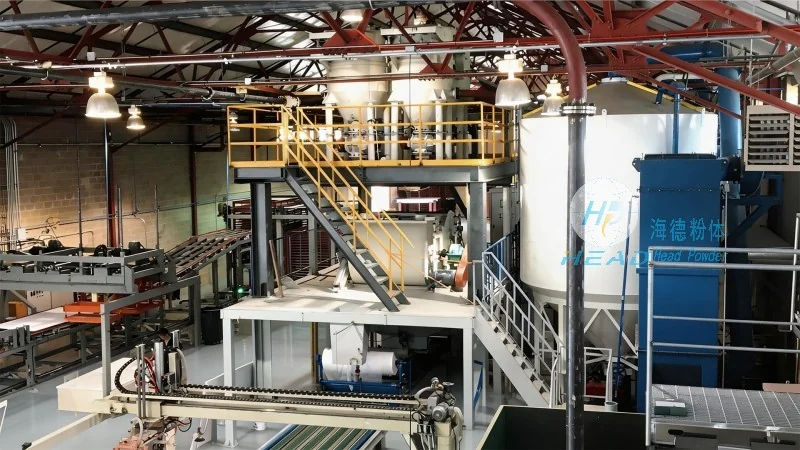
Understanding Nitrile Rubber and Its Conveying Challenges
Nitrile rubber, also known as Buna-N, is a synthetic rubber composed of acrylonitrile and butadiene. It is widely used in applications requiring resistance to oil, fuel, and other chemicals, making it essential in automotive, aerospace, and industrial manufacturing sectors. However, the properties of nitrile rubber—such as its abrasiveness, stickiness, and tendency to generate static electricity—pose unique challenges during material handling and conveying. These challenges include material buildup in pipelines, blockages, and the need for specialized equipment to prevent degradation or contamination.
Key Factors to Consider in Air-Flow Conveying Systems
Before selecting a conveying solution, several factors must be evaluated to ensure optimal performance and safety. The first consideration is the material's physical characteristics, including particle size, density, and moisture content. Nitrile rubber particles can vary significantly in size, from fine powders to larger granules, which affects the choice of conveying system. Additionally, the distance and elevation changes between the source and destination points are critical. For example, horizontal or vertical conveying over long distances may require different pressure and velocity settings to prevent material degradation or system inefficiencies.
Another important factor is the environmental conditions and safety requirements. Nitrile rubber is a combustible material, and conveying systems must be designed to minimize the risk of ignition or explosion. This often involves incorporating explosion-proof components, proper ventilation, and adherence to industry safety standards. Furthermore, the need for dust control and environmental compliance is essential, especially in facilities where air quality regulations are strict.
Option 1: Positive Pressure Conveying Systems
Positive pressure conveying systems are a common choice for nitrile rubber applications, particularly for short to medium distances and moderate material volumes. In this system, air is forced through the material, creating a positive pressure that propels the nitrile rubber particles through the pipeline. The primary components include a blower or compressor, a hopper for material storage, a feed mechanism (such as a rotary valve or star feeder), and a pipeline network. This method is effective for handling dry nitrile rubber and can be adapted for both horizontal and vertical conveying.
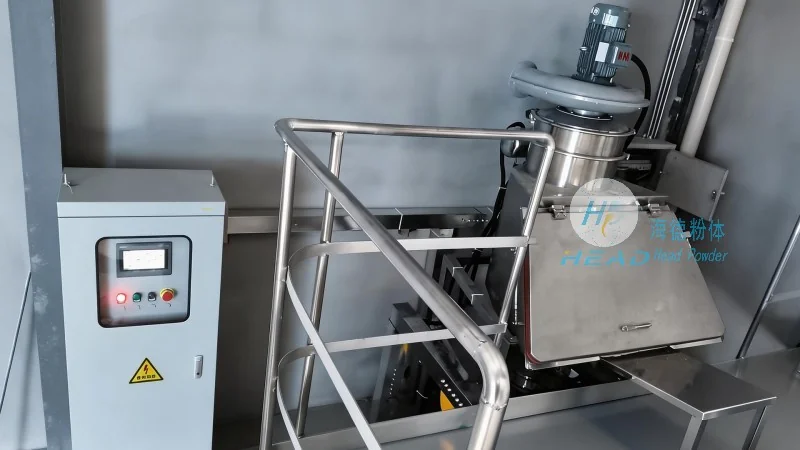
One of the advantages of positive pressure systems is their ability to handle a wide range of particle sizes and moisture levels. The high airflow velocity helps to prevent material buildup and ensures consistent transport. However, these systems may require higher energy consumption compared to other methods, and the cost of maintenance for the blower and pipeline components should be considered. For applications involving large volumes of nitrile rubber, positive pressure conveying can be an efficient solution, provided that the system is properly sized and maintained.
Option 2: Negative Pressure (Suction) Conveying Systems
Negative pressure or suction conveying systems are ideal for applications where the material source is elevated or where a clean, dust-free environment is required. In this system, air is drawn from the pipeline, creating a negative pressure that pulls the nitrile rubber particles into the system. The key components include a vacuum pump, a hopper, a feed mechanism, and a pipeline network. Negative pressure systems are particularly useful for conveying nitrile rubber from silos or storage bins to processing equipment, as they can handle long horizontal distances without the need for additional pressure boosters.
A major benefit of suction conveying is its ability to minimize dust emissions and maintain a clean working environment. The low pressure operation reduces the risk of material spillage and makes it suitable for indoor applications where air quality is a concern. However, suction systems are generally less efficient for handling large volumes of material and may require more frequent maintenance of the vacuum pump and filter systems. For applications involving fine nitrile rubber powders or where dust control is critical, negative pressure conveying can be a preferred choice.
Option 3: Hybrid Conveying Systems
Hybrid conveying systems combine elements of both positive and negative pressure methods to address specific challenges in nitrile rubber handling. These systems often use a combination of a blower for initial material transport and a vacuum pump for fine-tuning the pressure and flow. The hybrid approach allows for greater flexibility in handling varying material characteristics and conveying distances. For example, a hybrid system might use positive pressure to move large particles over short distances and then switch to negative pressure to transport fine powders over longer horizontal distances.
Hybrid systems are particularly effective in complex conveying scenarios where multiple material types or destinations are involved. They can also help to reduce energy consumption by optimizing the pressure and airflow required for each segment of the conveying line. However, the design and maintenance of hybrid systems are more complex, as they require coordination between the positive and negative pressure components. Proper sizing and regular maintenance are essential to ensure the system operates efficiently and safely.
Option 4: Screw Conveyors with Air-Assist
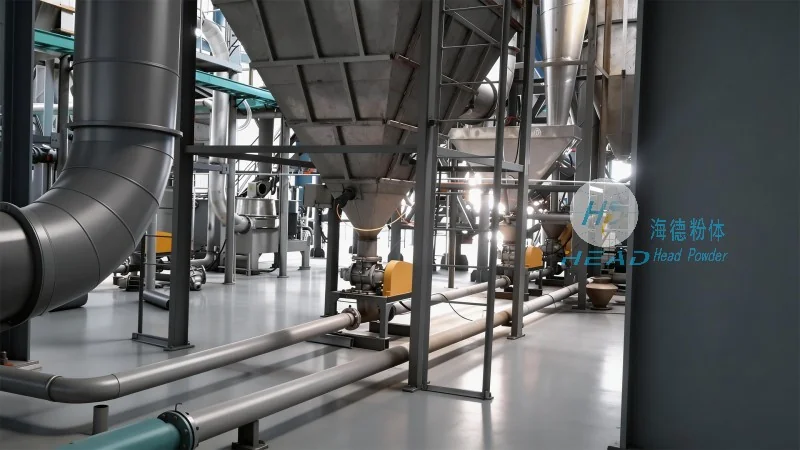
For applications where a combination of mechanical and pneumatic transport is needed, screw conveyors with air-assist can be an effective solution. In this system, a screw conveyor transports the nitrile rubber particles through a pipeline, while compressed air is introduced to assist in moving the material. The screw conveyor provides the primary mechanical force to push the material forward, while the air assists in reducing friction and preventing blockages. This method is particularly useful for handling sticky or cohesive nitrile rubber materials, as the screw action helps to break up agglomerates and ensure consistent flow.
One of the advantages of screw conveyors with air-assist is their ability to handle a wide range of material consistencies, from dry powders to semi-solid masses. The system can be adjusted to accommodate different particle sizes and moisture levels, making it versatile for various nitrile rubber applications. However, the screw components may require more frequent cleaning and maintenance to prevent material buildup, especially in applications involving sticky materials. Additionally, the air-assist component adds to the system's complexity and energy requirements.
Choosing the Right Conveying System for Nitrile Rubber
Selecting the appropriate air-flow conveying system for nitrile rubber depends on several factors, including the material's characteristics, conveying distance, and operational requirements. It is essential to work with experienced engineers who can assess the specific needs of the application and recommend the most suitable solution. For example, if the nitrile rubber is in fine powder form and requires dust control, a negative pressure system may be preferred. Conversely, if the material is in larger granules and needs to be transported over long distances, a positive pressure system with proper sizing may be more efficient.
Regular maintenance and monitoring of the conveying system are also critical to ensure long-term performance and safety. This includes checking for wear and tear on components, cleaning filters and pipelines, and verifying pressure and airflow levels. By implementing a well-designed and properly maintained air-flow conveying system, industrial facilities can enhance production efficiency, reduce material handling costs, and ensure compliance with safety and environmental regulations.