
Understanding the Role of Pneumatic Systems in Lithium Battery Electrode Material Processing
The global lithium-ion battery market is projected to exceed USD 180 billion by 2026, driven by the accelerating adoption of electric vehicles, grid storage, and portable electronics. Within this rapidly expanding industry, the quality and consistency of cathode and anode materials directly determine battery performance, safety, and lifespan. While much attention is paid to chemical composition and particle morphology, one critical yet often overlooked factor is the material handling system used during production. Pneumatic systems - the technology that conveys, blends, and doses fine powders using pressurized air - have become indispensable in the manufacturing of lithium battery electrode materials. These systems address the unique challenges posed by cathode (e.g., NMC, LFP, LCO) and anode (e.g., graphite, silicon, LTO) powders, which are often abrasive, hygroscopic, and prone to static buildup. This article provides a comprehensive technical overview of pneumatic systems tailored for lithium battery electrode materials, covering design principles, component selection, operational parameters, and industry best practices. By integrating such systems into their production lines, manufacturers can achieve higher throughput, lower contamination risk, and more consistent particle size distribution - all of which translate directly into better battery cell performance. As a company with extensive experience in advanced powder handling solutions, headpowder has developed targeted pneumatic configurations that meet the stringent requirements of the battery materials sector. This discussion aims to equip engineers, plant managers, and procurement specialists with actionable knowledge to optimize their own processes. (咨询热线:156-6277-7102)
Key Challenges in Handling Cathode and Anode Powders
Lithium battery electrode materials exhibit several physical and chemical properties that make conventional mechanical conveyance (such as screw conveyors or belt elevators) insufficient or problematic. Understanding these challenges is the first step toward specifying an appropriate pneumatic system.
- Fine particle size and low bulk density: Many cathode precursors and finished anode powders have median particle diameters below 10 microns. Such fines tend to agglomerate, fluidize unpredictably, and generate airborne dust that can cause cross-contamination or health hazards. Pneumatic systems must be designed with adequate filtration, controlled velocities, and anti-agglomeration measures.
- Moisture sensitivity: Cathode materials like NMC (nickel-manganese-cobalt) and LFP (lithium iron phosphate) are hygroscopic. Exposure to humidity during transfer can degrade electrochemical performance. Similarly, anode materials such as silicon nanoparticles can oxidize if not handled in dry air or inert gas environments. Pneumatic systems for these materials often incorporate dehumidified compressed air or nitrogen as the conveying gas.
- Static charge buildup: Fine powders moving through a pipeline generate static electricity. For highly conductive carbon-coated cathode materials or graphite, uncontrolled discharge can pose fire or explosion risks. Anti-static piping, grounding straps, and conductive filter media are standard requirements.
- Abrasive wear: Many cathode materials (e.g., LCO, NCA) are hard and angular, causing rapid erosion of elbows, diverter valves, and bends in pneumatic lines. Material selection for conveying components must prioritize wear resistance, with options including ceramic-lined piping, hardened steel, or polyurethane coatings.
- Segregation and degradation: In blended materials such as graphite-silicon composites for anodes, pneumatic conveying can cause differential settling and particle breakage if velocity or pressure is not carefully controlled. Dilute-phase systems operating at high speeds may fracture brittle particles, while dense-phase systems can be gentle enough to preserve particle integrity.
Each of these challenges requires a tailored approach. A standardized "one-size-fits-all" pneumatic design is unlikely to meet the quality standards of modern battery producers. headpowder has developed modular pneumatic platforms that allow independent adjustment of gas velocity, pressure drop, and bend geometry to suit specific material properties.
Fundamental Pneumatic Conveying Principles for Battery Materials
Pneumatic conveying systems fall into two broad categories: dilute-phase (also called lean-phase) and dense-phase. The choice between them is dictated by material characteristics, required throughput, and acceptable degradation levels.
- Dilute-phase conveying: In this mode, the powder is suspended in a high-velocity air stream, typically 20–35 m/s. It is suitable for non-friable, free-flowing materials and high-throughput applications. However, the high speed increases wear and potential particle breakage. For battery materials, dilute phase is sometimes used for raw material unloading (e.g., bulk tanker discharge of graphite flakes) but less frequently for inter-process transfer of finished electrode powders.
- Dense-phase conveying: Here, the powder moves as a plug or slug at lower velocities (1–8 m/s) using higher air pressure. Dense phase is gentler on particles, reduces wear, and minimizes dust generation. It is the preferred method for transferring cathode and anode powders within battery material factories. Two common dense-phase variants exist: plug-flow (using pressure vessels that pulse material into the line) and bypass systems (which introduce air along the line to maintain plug integrity).
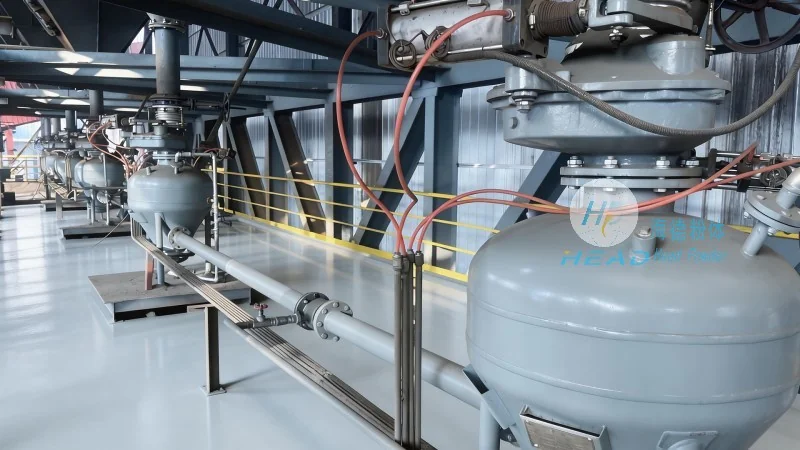
For most lithium battery material applications, dense-phase vacuum conveying is recommended when distances are relatively short (under 50 meters) and throughput below 10 tons per hour. For longer distances or higher capacities, positive-pressure dense-phase systems with blow tanks are more efficient. In either case, the conveying gas must be filtered, dried, and, when required, inerted with nitrogen to prevent oxidation or moisture pickup. headpowder's standard battery-grade pneumatic modules include integrated gas conditioning units that maintain a dew point below -40°C, satisfying the strictest moisture specifications.
Critical Components of a Battery Material Pneumatic System
A well-designed pneumatic system for lithium battery electrode materials comprises several specialized components, each selected to mitigate the risks described earlier.
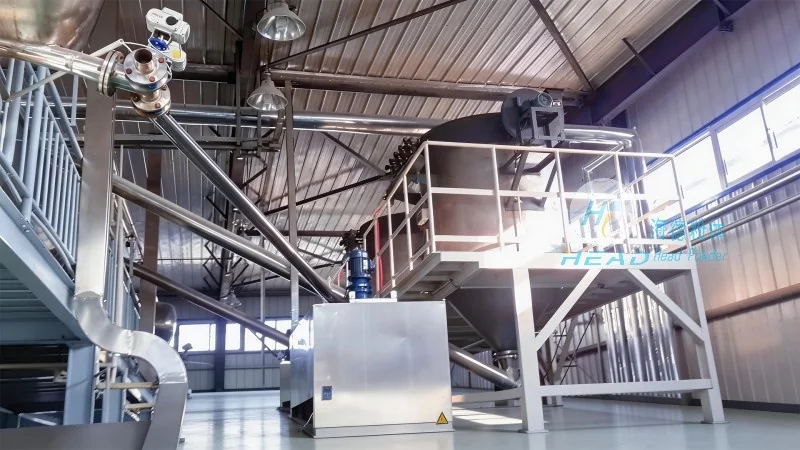
- Material feed device: Rotary valves, screw feeders, or venturi eductors introduce powder into the airstream. For cohesive cathode materials, a rotary valve with a closed-pocket rotor and a venturi assist prevents bridging. For abrasive materials, the valve housing should be lined with wear-resistant ceramics. headpowder's feed modules incorporate variable-speed drives and pressure sensors to ensure consistent dosing.
- Conveying pipeline: The pipeline layout must minimize the number of bends, especially sharp 90-degree elbows. Where bends are unavoidable, long-radius bends (R/D ratio ≥ 10) or ceramic-lined "turns" should be used. For materials prone to electrostatic discharge, pipes made of conductive polymer or stainless steel with grounding lugs are essential. The inner surface should be smooth to reduce friction and potential particle entrapment.
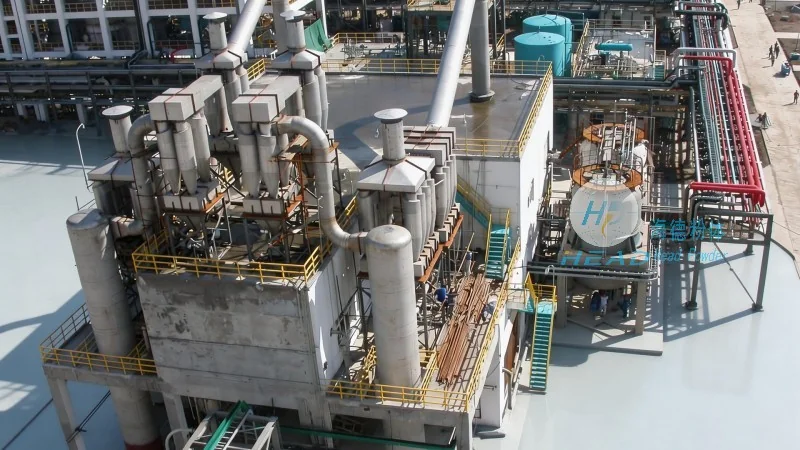
- Separation and filtration: At the destination, cyclones, bag filters, or cartridge filters separate the powder from the conveying air. For fine cathode powders, high-efficiency pulse-jet cartridge filters (HEPA grade) are recommended to achieve outlet emissions below 1 mg/m³. The filter housing must be designed for easy access and cleaning, as battery materials can be toxic or valuable.
- Diverter valves and switching stations: When multiple destinations (e.g., different blending vessels or reactor feeds) are needed, diverter valves must be designed to avoid cross-contamination. Flush-face or pinch valves provide a clean seal. headpowder offers a proprietary "zero-leak" diverter system that eliminates material hold-up in dead legs.
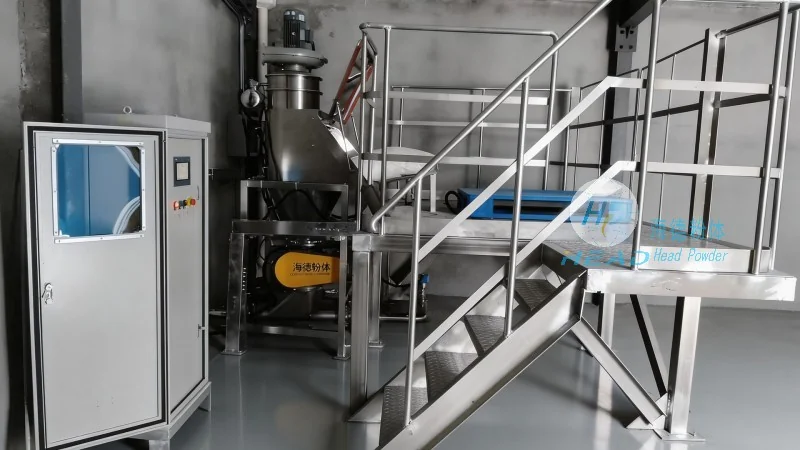
- Control and automation: Modern pneumatic systems integrate PLC-based controls with sensors for pressure, mass flow, and filter differential pressure. For battery materials, the control system should log batch data and provide alarms for deviations (e.g., pressure drop increase indicating a blocked filter or material bridging). headpowder's iConvey automation platform includes recipe-based settings for different materials, enabling fast changeover between cathode and anode products.
Process Integration: From Raw Material to Electrode Coating
The pneumatic system is not an isolated unit; it must be integrated with upstream and downstream processes. In a typical lithium battery material plant, the sequence includes: raw material storage → pre-mixing → calcination (for cathode) or coating (for anode) → milling and classification → final blending → electrode slurry preparation. Pneumatic conveyance can be employed at each transfer point.
- From big bags to day bins: Raw materials are often supplied in super sacks or IBC containers. A pneumatic unloading station with a bag-breaking chamber, dust collection, and an integrated incline conveyor feeds material into storage silos. For moisture-sensitive materials, the station should be enclosed with a nitrogen purge.
- To calcination kilns: Pre-mixed powder must be fed continuously into rotary kilns or roller hearth furnaces. A dense-phase pressure vessel can deliver powder at precisely controlled rates, avoiding the bridging and segregation issues common with screw feeders at high temperatures.
- After classification: Mill output (e.g., from jet mills or dry ball mills) is typically fine and cohesive. A dedicated pneumatic system designed for low-velocity, short-distance transfer can move the classified product to blending or packaging without causing attrition. headpowder has supplied systems for silicon-based anode materials where particle size reduction due to conveyance must be kept below 0.5% D50 shift.
- To slurry mixing: The final electrode powder is often transferred to a day tank that feeds the slurry mixing process. Here, the pneumatic system must include a check-weighing module to ensure accurate batch dosing. headpowder's integrated solutions have been verified to achieve weight accuracy within ±0.1% for both cathode and anode powders, reducing slurry variability and improving cell consistency.
Energy Efficiency and Sustainability Considerations
As battery manufacturers face increasing pressure to reduce carbon footprint, pneumatic system energy consumption becomes a material concern. Compressed air generation accounts for 10–30% of total plant electricity use in many chemical processing facilities. Optimizing pneumatic system design can yield substantial savings.
- Pressure optimization: Operating at the lowest feasible conveying pressure reduces compressor load. Modern dense-phase systems can operate at 0.5–2 bar g, compared to 6–8 bar for dilute phase. headpowder's systems include predictive pressure control that adjusts blow tank pressure based on real-time pipeline load.
- Leak detection: Air leaks in pneumatic lines are a common source of waste. Regular auditing using ultrasonic detectors, combined with automated valve actuation, can cut air consumption by 15–25%.
- Heat recovery: Compressor waste heat can be captured and used for process heating or building climate control. In a 2026 scenario where electricity costs continue to rise, such integrations become financially attractive.
- Inert gas recycling: When using nitrogen for moisture-sensitive materials, the exhaust nitrogen can be purified and recirculated. Membrane or PSA nitrogen generators with recycle loops reduce gas consumption by up to 60%. headpowder has deployed such systems in several Asian battery factories, achieving payback periods under 18 months.
Safety and Regulatory Compliance

Handling combustible powders in an oxygen-rich pneumatic environment demands rigorous adherence to safety standards. Lithium battery materials such as graphite, silicon, and certain cathode compositions are classified as combustible dusts. The pneumatic system must comply with ATEX, IECEx, or equivalent local regulations.
- Explosion prevention: Use of inert gas (nitrogen) as conveying medium reduces oxygen concentration below the limiting oxygen concentration (LOC). For graphite, LOC is typically 10 vol% oxygen. Continuous oxygen monitoring with interlocks ensures safe operation.
- Explosion protection: Pipeline sections should be equipped with explosion venting panels, or flameless venting devices, as well as suppression systems. headpowder's standard battery material systems are designed with explosion relief panels sized according to NFPA 68 guidelines.
- Grounding and static control: All conductive components must be bonded and grounded. For non-conductive piping, conductive additives or internal metal mesh can be used. Regular resistance measurements ensure grounding integrity.
- Dust containment: All access points, filter housings, and product take-off stations should be under negative pressure to prevent fugitive emissions. headpowder's "closed-loop" pneumatic designs ensure that no powder leaves the system except at intended discharge points, meeting strict workplace exposure limits for cobalt, nickel, and other toxic metals.
Real-World Application: headpowder System for NMC811 Cathode Production

To illustrate the practical impact, consider a case involving a mid-tier cathode manufacturer scaling up NMC811 production to 5,000 tons per year. The plant experienced inconsistent product quality due to moisture uptake during transfer between the precursor blending unit and the calcination kiln. The existing screw conveyor system allowed ambient air ingress, elevating moisture content to over 800 ppm, far exceeding the 200 ppm specification. headpowder was engaged to design a replacement pneumatic system.
The solution comprised a nitrogen-purged dense-phase blow tank system with ceramic-lined elbows, a dew-point-controlled gas conditioning unit, and a PLC with automatic purge cycles. After installation, the moisture pickup during transfer was measured at below 50 ppm, and the final cathode powder met all electrochemical specifications. The plant also reported a 40% reduction in dust exposure for operators and a 12% decrease in energy consumption compared to the previous mechanical system. This installation demonstrates that a properly engineered pneumatic system can serve as a quality enabler, not merely a material handling afterthought. headpowder provided comprehensive onsite training and a five-year preventive maintenance plan, ensuring sustained performance. (咨询热线:156-6277-7102)
Future Trends: Automation, Digital Twin, and Industry 4.0

Looking ahead to 2026 and beyond, several trends will shape pneumatic system design for battery materials. The rise of digital twin technology allows manufacturers to simulate conveying performance under various material and operating conditions before installation. headpowder now offers a digital twin service that models powder flow, wear patterns, and air consumption, enabling clients to optimize their piping layouts virtually. Additionally, the integration of machine learning algorithms for predictive maintenance - such as detecting when a filter or rotary valve is about to fail - reduces unplanned downtime. As battery factories become increasingly automated and data-driven, the pneumatic system will evolve from a passive transport mechanism into an active, intelligent component of the production line. For manufacturers looking to stay competitive, investing in a well-designed pneumatic infrastructure is no longer optional; it is a strategic necessity.