

Design Considerations for Magnesium Powder Pneumatic Conveying Systems
When designing a magnesium powder pneumatic conveying system, several key factors must be considered to ensure efficient and reliable operation. The system's performance is directly influenced by the characteristics of the magnesium powder, such as particle size, density, and flowability, as well as the operational environment and intended application. A well-designed system not only enhances material handling efficiency but also minimizes operational risks and maintenance costs.
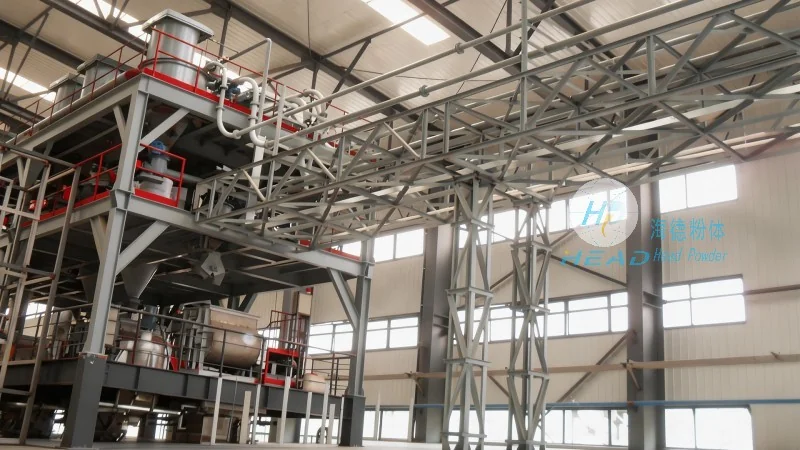
System Components and Their Roles
The core components of a magnesium powder pneumatic conveying system typically include a material feeder, a conveying line (often with a pipeline and air compressor), a dust collector, and a discharge device. Each component plays a critical role in the overall system's functionality. The material feeder ensures a consistent and controlled flow of magnesium powder into the system, preventing blockages and maintaining steady pressure. The air compressor generates the necessary air pressure to move the powder through the pipeline, while the conveying line transports the material from the feeder to the discharge point. The dust collector is essential for capturing and filtering airborne particles, ensuring compliance with environmental regulations and maintaining a safe working environment. Finally, the discharge device allows for the controlled release of the magnesium powder at the destination, such as a storage silo or processing unit.
Material Characteristics and System Sizing
The physical properties of magnesium powder are a primary consideration in system design. Magnesium powder often has a fine particle size, which can lead to challenges like agglomeration and increased friction. To address these issues, the system must be sized appropriately to handle the specific flow rates and pressure drops associated with the powder's characteristics. For example, the pipeline diameter and length must be selected to minimize pressure losses while ensuring sufficient velocity to prevent powder settling. Additionally, the air-to-solid ratio (the ratio of air volume to powder mass) is a critical parameter that affects system efficiency and energy consumption. Proper sizing of the air compressor and conveying line is essential to achieve the desired conveying velocity without excessive energy use.
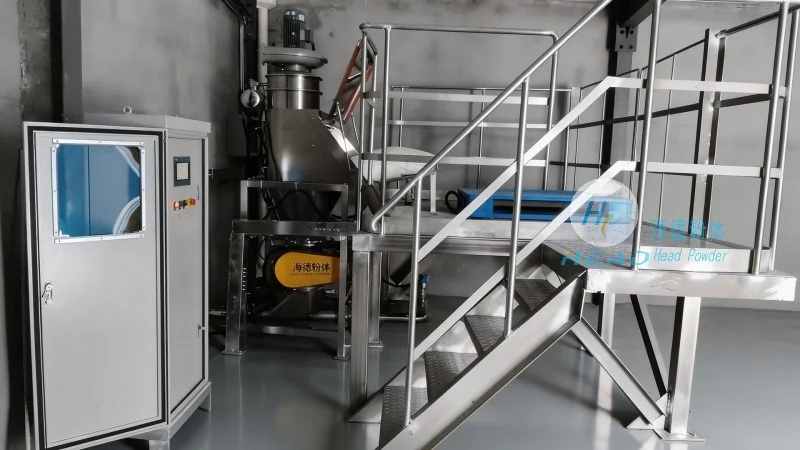
Control and Automation Systems
Modern magnesium powder pneumatic conveying systems often incorporate advanced control and automation features to enhance operational efficiency and safety. These systems may include sensors to monitor pressure, flow rate, and particle concentration, as well as automated controls to adjust the feeder speed or air compressor output based on real-time conditions. For instance, a pressure sensor can detect a drop in system pressure, triggering an increase in air flow to maintain conveying efficiency. Similarly, a flow sensor can monitor the amount of powder being conveyed, allowing for adjustments to the feeder to prevent overloading or underloading. Automation also helps in reducing human error and improving consistency in material handling, which is crucial for maintaining product quality and reducing waste.

Environmental and Safety Considerations
Handling magnesium powder requires careful attention to environmental and safety regulations due to its potential to create dust and pose health risks. The system design must include effective dust control measures, such as high-efficiency particulate air (HEPA) filters in the dust collector, to capture fine particles and prevent their release into the environment. Additionally, the system should be equipped with explosion-proof components, especially in areas where the powder may accumulate and create a dust explosion hazard. Proper ventilation and grounding of equipment are also essential to prevent static electricity buildup, which can ignite dust clouds. Compliance with local and international safety standards is a top priority for companies like Shandong HeadPowder Engineering Co., Ltd., ensuring that their systems meet the highest safety and environmental requirements.
Installation and Maintenance Guidelines
The successful operation of a magnesium powder pneumatic conveying system depends on proper installation and regular maintenance. During installation, it is crucial to ensure that all components are properly aligned and secured to prevent vibrations and leaks. The conveying line should be checked for any kinks or bends that could cause pressure drops or blockages. The dust collector should be installed at an appropriate height to allow for efficient filtration and easy access for cleaning. Regular maintenance is equally important, with scheduled inspections of the air compressor, feeder, and dust collector to identify and address any issues before they become major problems. For example, the air compressor should be checked for oil levels and filter cleanliness, while the dust collector should be emptied regularly to prevent clogging. Proper maintenance not only extends the lifespan of the system but also ensures consistent performance and reduces downtime.