

Design Considerations for Sand and Soil Pneumatic Conveying System Solutions
HeadPowder, a leading engineering firm based in Shandong, China, specializes in the design and implementation of efficient sand and soil pneumatic conveying systems. These systems are critical for industries that handle bulk materials, offering a reliable method for transporting sand, soil, and other granular substances over long distances without the need for traditional mechanical conveyors. This article outlines key design considerations to ensure optimal performance, safety, and cost-effectiveness in such systems.
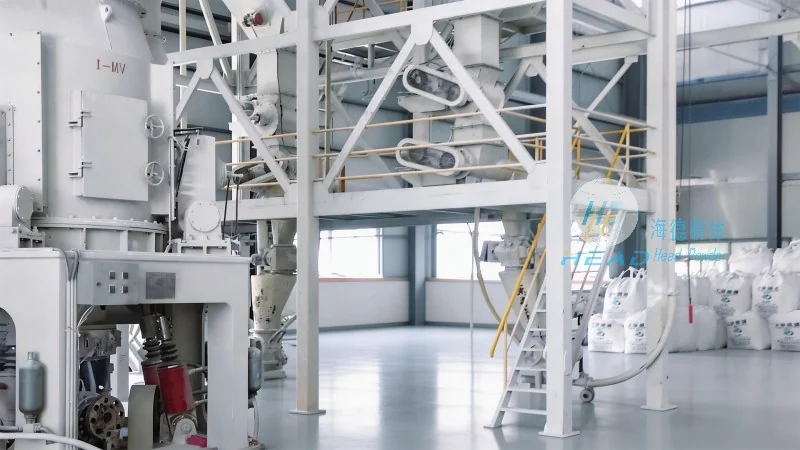
Understanding the Core Components of Pneumatic Conveying Systems
A pneumatic conveying system for sand and soil typically consists of several essential components, each playing a vital role in the overall operation. The primary elements include a material feed hopper, a conveyor line (either positive or negative pressure), a dust collection system, and a discharge outlet. The feed hopper is responsible for storing and feeding the material into the system, while the conveyor line transports the material using air pressure. A dust collection system is crucial for maintaining air quality and preventing material loss. The discharge outlet allows the material to be released at the desired location.
Key Design Considerations for Efficient Material Handling
When designing a pneumatic conveying system for sand and soil, several factors must be carefully evaluated to ensure smooth operation and minimize downtime. First, the material's physical properties, such as particle size, density, and moisture content, significantly impact system performance. Coarse or high-density materials may require higher air pressure or specialized equipment to prevent blockages. Additionally, the system's capacity and the required conveying distance are critical parameters. Longer distances or higher capacities may necessitate larger diameter pipes or more powerful blowers. The choice between positive and negative pressure systems also depends on the application. Positive pressure systems are suitable for short to medium distances and can handle abrasive materials, while negative pressure systems are ideal for long-distance transport and dust control.
Material Feed and Hopper Design
The feed hopper is a critical component that directly affects the system's efficiency. It must be designed to handle the specific characteristics of the sand or soil being conveyed. For example, a hopper with a sloped bottom and a rotary valve can prevent material bridging and ensure a consistent feed rate. The hopper's size and shape are determined by the material's flowability and the system's capacity. Proper hopper design also minimizes material degradation and reduces the risk of blockages. In some cases, pre-drying or pre-screening of the material may be necessary to improve flow characteristics and prevent clogging.
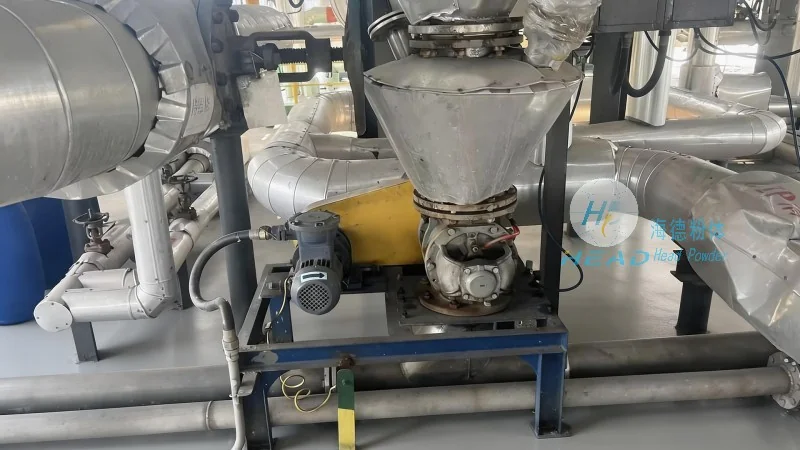
Conveyor Line and Air Pressure Management
The conveyor line, whether it uses positive or negative pressure, must be sized appropriately to handle the material's flow rate and pressure requirements. The diameter of the pipe is a key factor, as larger diameters reduce pressure drop and improve material transport. The length and layout of the conveyor line also impact the system's efficiency. Proper air pressure management is essential to maintain consistent material flow and prevent air leaks or pressure fluctuations. The blower or compressor used to generate the air pressure must be matched to the system's requirements, ensuring sufficient power to overcome resistance and maintain the desired flow rate.
Dust Collection and Environmental Considerations
Due to the nature of sand and soil, dust generation is a common issue in pneumatic conveying systems. Effective dust collection is not only necessary for maintaining air quality but also for preventing material loss and ensuring worker safety. A well-designed dust collection system typically includes a filter or cyclone separator that captures fine particles from the exhaust air. The collected dust can then be returned to the feed hopper or disposed of appropriately. Environmental regulations may also dictate the need for additional filtration or emission control measures. Proper maintenance of the dust collection system is crucial to ensure its effectiveness and prevent system failures.
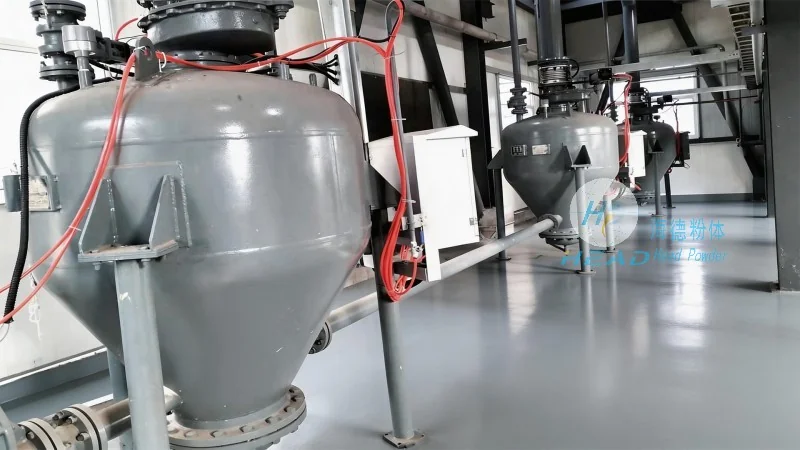
System Integration and Control Systems
Modern pneumatic conveying systems often integrate advanced control systems to optimize performance and reduce operational costs. These systems may include sensors to monitor pressure, flow rate, and material levels, as well as automated controls to adjust the system's operation based on real-time conditions. The control system can help prevent overloading, detect blockages, and adjust air pressure as needed. Integration with other equipment, such as material feeders or discharge devices, can also enhance overall system efficiency. Proper training of operators and regular maintenance of the control system are essential to maximize its benefits.
Installation and Maintenance Considerations
The successful operation of a sand and soil pneumatic conveying system depends on proper installation and regular maintenance. Installation must follow manufacturer guidelines and local building codes to ensure safety and compliance. The system should be installed with proper support and alignment to prevent vibration and wear. Regular maintenance is critical to prevent component failure and ensure long-term performance. This includes inspecting and cleaning the hopper, conveyor line, and dust collection system, as well as checking and replacing worn parts. A well-maintained system can significantly reduce downtime and operating costs.
Conclusion
Designing an efficient sand and soil pneumatic conveying system requires careful consideration of material properties, system components, and operational requirements. By addressing key design factors such as feed hopper design, conveyor line sizing, and dust collection, engineers can create a system that meets the specific needs of their application. HeadPowder, with its expertise in engineering and material handling, offers comprehensive solutions tailored to the unique challenges of sand and soil transport. Whether for construction, mining, or other industries, a well-designed pneumatic conveying system can provide reliable, cost-effective material transport while minimizing environmental impact.