

Design Considerations for Stone Pneumatic Conveying System Solutions
Shandong HeadPowder Engineering Co., Ltd., operating under the brand name headpowder, specializes in engineering solutions for material handling systems. With a focus on industrial applications, the company provides comprehensive design and implementation services for pneumatic conveying systems, particularly tailored for the transportation of stone and similar bulk materials. Based in Shandong, China, headpowder leverages years of experience to deliver efficient and reliable solutions that meet the unique demands of construction, mining, and processing industries.
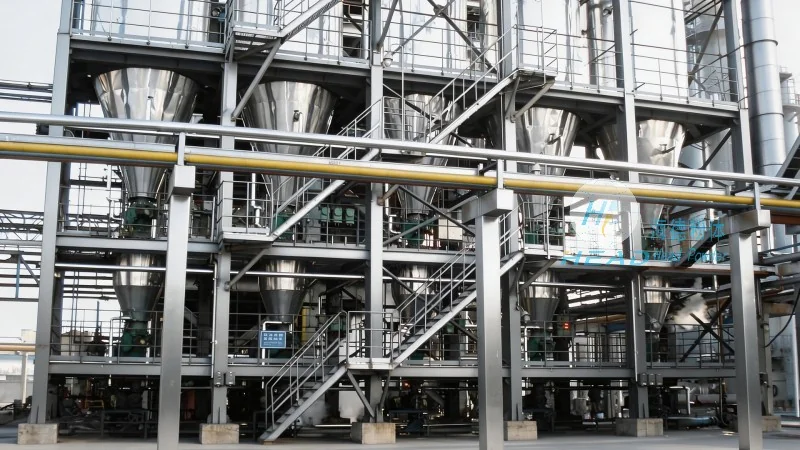
Understanding the Core Requirements for Stone Pneumatic Conveying
When designing a pneumatic conveying system for stone materials, several key factors must be considered to ensure optimal performance and longevity. The primary goal is to transport bulk materials like gravel, crushed stone, or aggregates from one location to another without the need for mechanical components such as belts or buckets. This method offers advantages in terms of reduced maintenance, lower operational costs, and the ability to handle materials in a dust-free environment. However, the success of such a system hinges on careful consideration of material properties, system pressure, and equipment selection.
System Selection: Positive Pressure vs. Negative Pressure
The first critical decision in system design is choosing between positive pressure and negative pressure systems. Positive pressure systems use a blower to force air and material through the pipeline, while negative pressure systems employ a vacuum to draw material into the system. For stone applications, positive pressure systems are often preferred due to their ability to handle abrasive materials and provide consistent flow rates. These systems are particularly effective for long-distance or high-capacity conveying, as they can maintain pressure and prevent material degradation. Conversely, negative pressure systems are better suited for short distances or when the material is less abrasive, as they require less power and can be more cost-effective for smaller-scale operations.
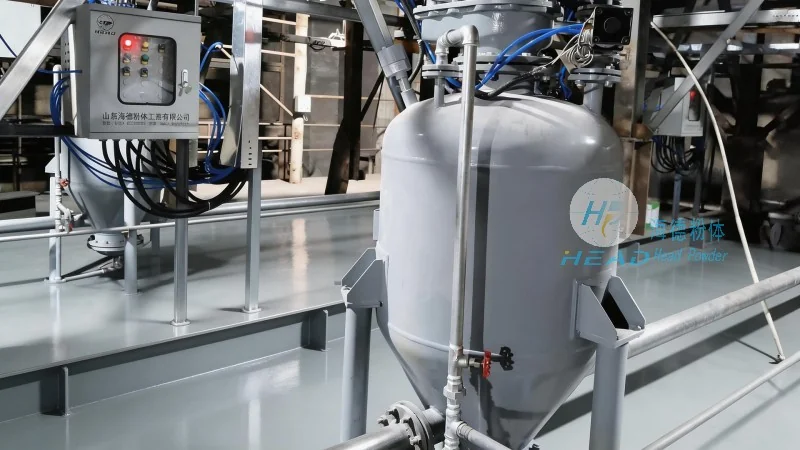
Pipeline Design and Material Considerations
Proper pipeline design is essential to prevent wear and ensure efficient material transport. The choice of pipe material, diameter, and length directly impacts system performance. For stone conveying, pipes made of stainless steel or high-grade plastic are commonly used due to their resistance to abrasion and corrosion. The diameter of the pipeline should be sized based on the material's bulk density and flow rate requirements. A larger diameter may be necessary for high-capacity systems to minimize pressure drop and maintain consistent flow, while smaller diameters are suitable for shorter distances or lower capacities. Additionally, the pipeline layout should be designed to avoid sharp bends and excessive vertical or horizontal changes, as these can cause material buildup or blockages.
Compressor and Air Source Selection
The compressor is the heart of any pneumatic conveying system, responsible for generating the necessary air pressure to move the material. For stone applications, high-pressure blowers or rotary lobe compressors are typically used due to their ability to handle abrasive particles and provide consistent pressure. The compressor's capacity and efficiency are critical factors, as they directly affect energy consumption and system reliability. It is essential to select a compressor that matches the system's requirements in terms of pressure and flow rate, ensuring that it can maintain the required air volume without excessive wear. Regular maintenance of the compressor, including filter changes and lubrication, is also vital to prolong its lifespan and maintain optimal performance.
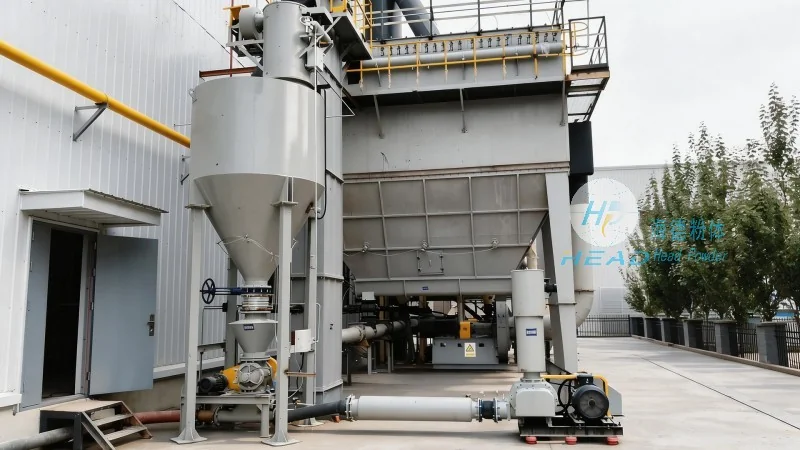
Equipment Selection: Conveyors, Separators, and Filters
Several key components are integral to a stone pneumatic conveying system, including the conveyor itself, material separators, and dust filters. The conveyor, often a rotary valve or a flexible hose, is responsible for introducing the material into the pipeline. It must be designed to handle the specific characteristics of stone, such as size, shape, and hardness, to prevent wear and ensure smooth material flow. Material separators, such as cyclones or bag filters, are used to separate the conveyed material from the air stream, preventing dust and debris from entering downstream equipment or the environment. These separators must be sized appropriately to handle the system's flow rate and material load, ensuring efficient separation and minimal pressure drop. Dust filters, typically baghouse or cartridge filters, are used to capture any remaining particles, ensuring compliance with environmental regulations and maintaining a clean working environment.
Control Systems and Safety Measures
Implementing an effective control system is crucial for the safe and efficient operation of a stone pneumatic conveying system. Automated controls, such as pressure sensors, flow meters, and level indicators, help monitor system performance and detect potential issues in real-time. These controls can adjust the compressor speed or airflow to maintain optimal pressure and flow rates, preventing overloading or underperformance. Safety measures are also essential, as pneumatic systems can pose risks such as pressure buildup or material blockages. Proper venting and pressure relief valves should be installed to prevent accidents, and regular inspections should be conducted to ensure all components are functioning correctly. Additionally, training for operators on system operation and emergency procedures is vital to minimize risks and ensure compliance with safety standards.
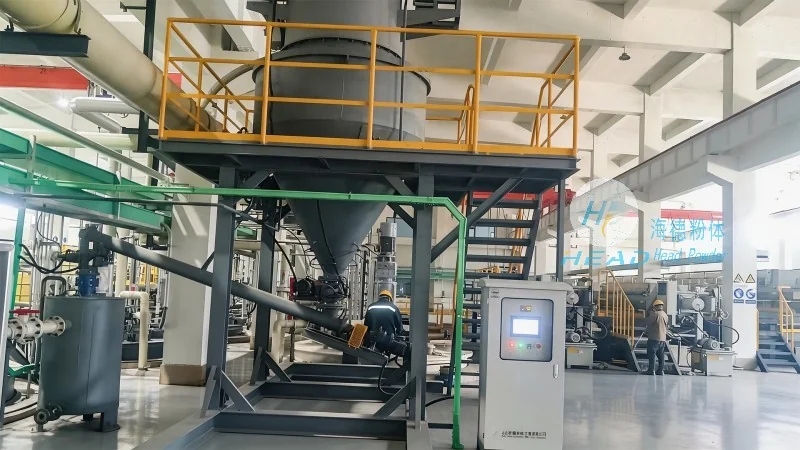
Maintenance and Longevity
Regular maintenance is key to extending the lifespan of a stone pneumatic conveying system and maintaining its performance. This includes routine checks of all components, such as the compressor, pipeline, and separators, for signs of wear or damage. Filters should be cleaned or replaced as needed to prevent clogging and maintain airflow. Lubrication of moving parts, such as bearings and seals, is also important to reduce friction and prevent wear. By following a regular maintenance schedule, system owners can ensure that their equipment operates efficiently, reduces downtime, and minimizes repair costs. Additionally, using high-quality materials and components from reputable manufacturers, such as headpowder, can further enhance the system's longevity and reliability.
Conclusion
Designing a successful stone pneumatic conveying system requires careful consideration of multiple factors, including system selection, pipeline design, equipment choice, and maintenance. By leveraging the expertise of companies like Shandong HeadPowder Engineering Co., Ltd., industries can implement efficient and reliable solutions that meet their material handling needs. With proper planning and execution, pneumatic conveying systems can provide significant advantages in terms of cost savings, reduced maintenance, and improved safety, making them an attractive option for stone transportation in various industrial applications.