

Several Solutions for the Pneumatic Conveying of Coke Powder
Efficient and reliable transportation of coke powder is a critical aspect of industrial operations, particularly in the steel and metallurgical sectors. The proper selection of a pneumatic conveying system can significantly impact production efficiency, material handling costs, and overall operational safety. This article explores several effective solutions for the pneumatic conveying of coke powder, highlighting the expertise of Shandong HeadPowder Engineering Co., Ltd., a leading provider in the field.
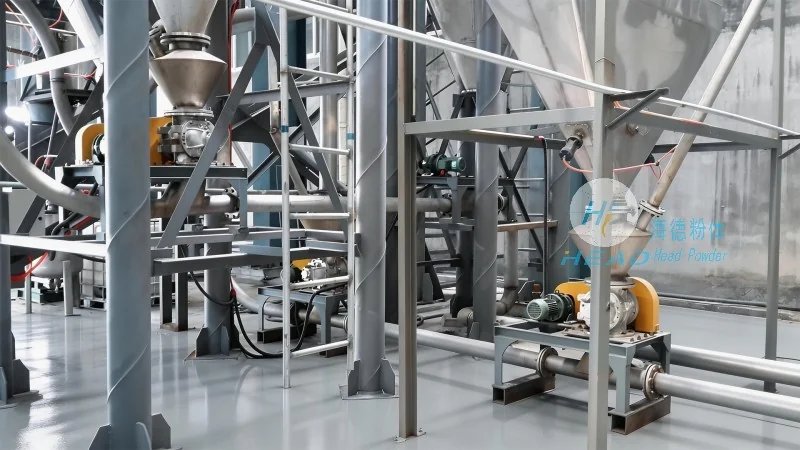
Introduction to Pneumatic Conveying Systems for Coke Powder
Pneumatic conveying systems utilize air or gas to transport bulk materials like coke powder through a pipeline network. These systems are widely adopted due to their ability to handle fine powders, minimize material degradation, and enable automated material transfer. The choice of a suitable conveying system depends on various factors, including the material characteristics, required conveying distance, and the desired level of control over the process.
Company Overview: Shandong HeadPowder Engineering Co., Ltd.
HeadPowder, the brand name of Shandong HeadPowder Engineering Co., Ltd., specializes in the design, manufacturing, and installation of advanced pneumatic conveying solutions. With a strong presence in China, particularly in Shandong province, the company has built a reputation for delivering high-quality, customized systems tailored to the specific needs of industrial clients. HeadPowder's team of engineers and technicians leverages extensive experience to develop solutions that optimize material handling processes while ensuring compliance with industry standards and safety regulations.
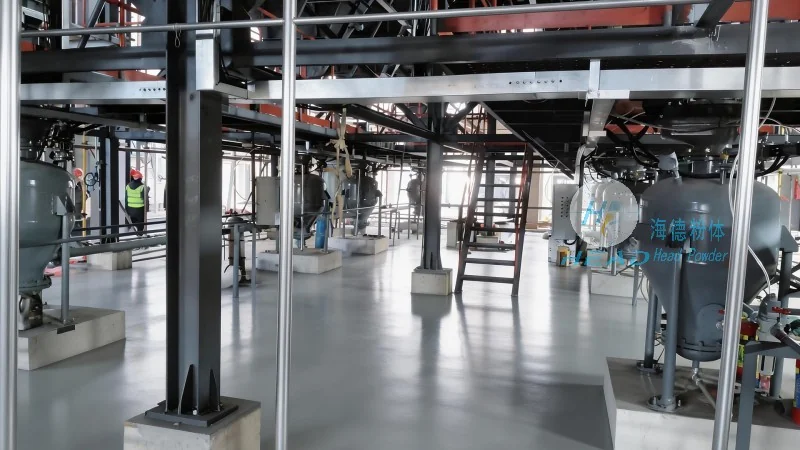
Option 1: Positive Pressure Pneumatic Conveying
Positive pressure systems operate by blowing air or gas into the conveying line, creating a pressure higher than the ambient air pressure. This method is particularly effective for conveying fine powders over short to medium distances. The primary advantage of positive pressure systems is their ability to handle abrasive materials without causing excessive wear on the equipment. Additionally, these systems are relatively simple to install and maintain, making them a cost-effective solution for many applications. However, they may not be suitable for long-distance conveying or when handling highly sensitive materials that could be damaged by the high pressure.
Option 2: Negative Pressure (Vacuum) Pneumatic Conveying
Negative pressure systems, also known as vacuum conveying, work by creating a vacuum in the receiving hopper or container, drawing the material into the pipeline. This approach is ideal for applications requiring material to be transported from multiple points to a central collection point. The main benefits of vacuum systems include gentle material handling, which minimizes particle breakage and degradation. They are also well-suited for conveying materials from elevated or hard-to-reach locations. Nevertheless, vacuum systems may have limitations in terms of conveying distance and material capacity, as the pressure differential decreases with increased distance.
Option 3: Mixed-Pressure Pneumatic Conveying
Mixed-pressure systems combine elements of both positive and negative pressure, offering a versatile solution for complex conveying tasks. These systems typically use a vacuum at the inlet to draw material into the line and then switch to positive pressure to propel it through the pipeline. This hybrid approach allows for the efficient handling of materials over longer distances while maintaining the gentleness of vacuum conveying. Mixed-pressure systems are often preferred in applications where the material needs to be transported from multiple sources to multiple destinations, as they provide greater flexibility in system design and operation.
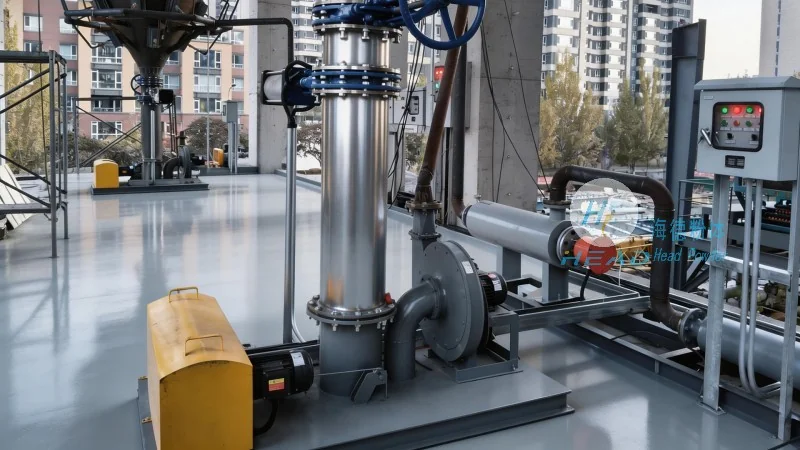
Key Considerations for Selecting a Pneumatic Conveying Solution
When choosing a pneumatic conveying system for coke powder, several key factors must be considered. First, the particle size and density of the coke powder will influence the choice of system, as finer particles may require more energy to transport. Second, the conveying distance and layout of the facility will dictate whether a positive, negative, or mixed-pressure system is most appropriate. Third, the need for material containment and dust control is critical, as coke powder can be a source of air pollution and health hazards. Finally, the overall cost of installation, operation, and maintenance should be evaluated to ensure the selected system provides a favorable return on investment.
Conclusion and HeadPowder's Commitment
Efficient pneumatic conveying of coke powder is essential for optimizing industrial processes and ensuring operational efficiency. By understanding the characteristics of different conveying systems and considering the specific requirements of the application, industries can select the most suitable solution. Shandong HeadPowder Engineering Co., Ltd. remains committed to providing innovative and reliable pneumatic conveying solutions tailored to the unique needs of its clients, helping them achieve enhanced productivity and cost savings in their material handling operations.