

Classification and Application Analysis of Soap Granule Pneumatic Conveying Systems
HeadPowder, formally known as Shandong HeadPowder Engineering Co., Ltd., is a professional manufacturer based in Shandong, China. The company specializes in the design, production, and application of pneumatic conveying systems, particularly for handling soap granules. Pneumatic conveying is a critical technology in material handling, enabling the efficient transport of bulk materials through a pressurized air system. This method offers advantages such as non-contact material handling, reduced contamination risk, and the ability to transport materials over long distances without the need for mechanical components like belts or buckets.
Classification of Soap Granule Pneumatic Conveying Systems
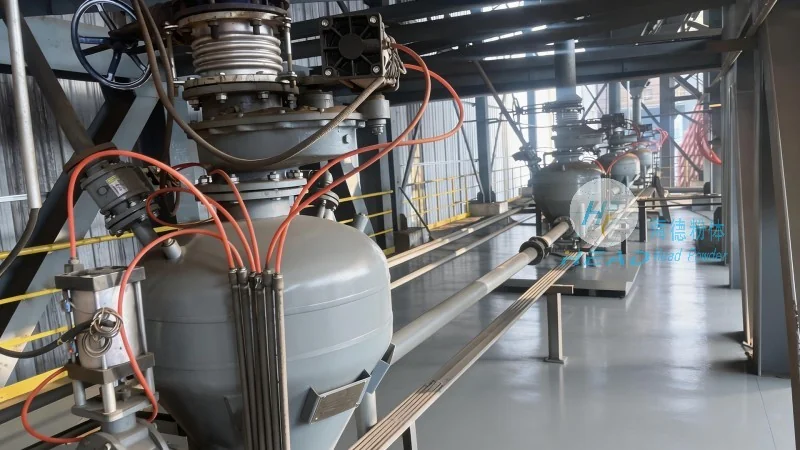
Soap granule pneumatic conveying systems can be categorized based on several key factors, including the type of air flow, system design, and application requirements. The primary classifications include positive pressure systems, negative pressure systems, and hybrid systems. Positive pressure systems use a blower to force air and material through the system, making them suitable for long-distance and high-capacity applications. Negative pressure systems, on the other hand, use a vacuum to draw material into the system, which is ideal for short-distance or low-volume operations. Hybrid systems combine elements of both positive and negative pressure, offering flexibility for varied process needs. Additionally, systems can be classified by the material handling method, such as dilute phase and dense phase conveying. Dilute phase systems operate at higher velocities, suitable for fine granules like soap granules, while dense phase systems use lower velocities to minimize material degradation and ensure gentle handling.
Key Components of a Pneumatic Conveying System for Soap Granules
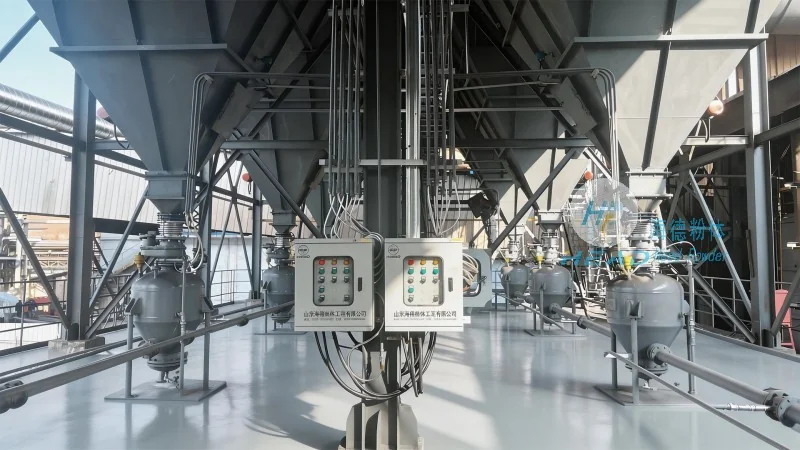
Effective soap granule pneumatic conveying systems consist of several essential components that work in tandem to ensure reliable operation. The core components include a material feeder, which controls the flow of soap granules into the system; a conveying line, typically made of stainless steel or other corrosion-resistant materials to prevent contamination and ensure durability; a blower or vacuum pump, which provides the necessary air pressure or vacuum; and a separator, which separates the material from the air at the discharge end. The material feeder is crucial for maintaining consistent flow rates, preventing blockages, and ensuring the system operates efficiently. The conveying line must be designed to handle the specific characteristics of soap granules, such as size, shape, and moisture content, to avoid material degradation or system clogging. The blower or vacuum pump must be capable of providing sufficient pressure or vacuum to overcome system resistance and maintain the desired flow rate. The separator, often a cyclone or bag filter, ensures that the soap granules are collected efficiently and the air is cleaned before release. Other optional components may include a silencer to reduce noise, a pressure regulator to control system pressure, and a control system to monitor and adjust the operation of the conveying system.
Application Analysis of Soap Granule Pneumatic Conveying Systems
Soap granule pneumatic conveying systems find wide applications in various industries, particularly in the manufacturing and processing of soap products. One primary application is in the transportation of soap granules from storage silos to processing lines, such as mixing or molding equipment. This method allows for seamless integration into existing production lines, reducing downtime and improving overall efficiency. Another application is in the transfer of soap granules between different production stages, such as from a drying unit to a packaging line. Pneumatic conveying enables the gentle handling of soap granules, preventing damage to the product and maintaining its quality. Additionally, these systems are used in the distribution of soap granules to different locations within a facility, such as from a central storage area to multiple processing units. The flexibility of pneumatic conveying systems allows for easy reconfiguration of the system to accommodate changes in production volume or product specifications. In the soap manufacturing industry, the ability to handle soap granules efficiently and safely is critical, as any contamination or degradation can significantly impact product quality and customer satisfaction. Pneumatic conveying systems provide a solution that meets these requirements, offering a reliable and cost-effective method for material handling.
Advantages and Considerations for Soap Granule Pneumatic Conveying
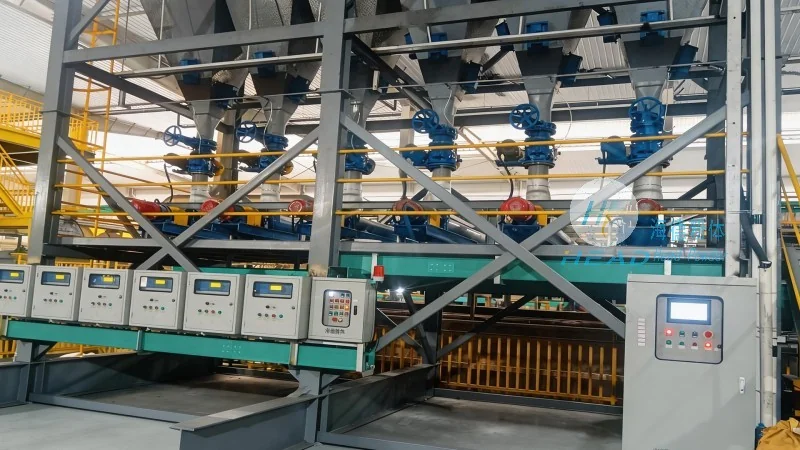
Implementing a soap granule pneumatic conveying system offers several advantages over traditional material handling methods. One of the key benefits is the non-contact handling of materials, which reduces the risk of contamination from external sources and prevents the introduction of foreign particles into the soap granules. This is particularly important in the soap manufacturing industry, where product purity is a top priority. Another advantage is the ability to transport materials over long distances without the need for mechanical components, which reduces maintenance costs and increases system reliability. Pneumatic conveying systems also offer high throughput rates, allowing for increased production efficiency and reduced processing time. However, there are also considerations to keep in mind when implementing such systems. The design of the system must account for the specific characteristics of soap granules, such as their size, shape, and moisture content, to ensure optimal performance. Additionally, the system must be properly maintained to prevent clogging and ensure consistent operation. Regular cleaning and inspection of the conveying line and components are essential to maintain system efficiency and prevent downtime. The choice of materials for the conveying line and components is also critical, as soap granules can be corrosive and may require specialized materials to prevent degradation over time.