

Classification and Application Analysis of Corundum Pneumatic Conveying Systems
Corundum, a high-purity form of aluminum oxide (Al₂O₃), is widely used in various industrial applications due to its exceptional hardness, thermal stability, and chemical resistance. Pneumatic conveying systems are essential for efficiently transporting corundum powders and granules in manufacturing processes. This article provides an overview of the classification of corundum pneumatic conveying systems and their practical applications, highlighting the technical aspects and operational considerations for effective material handling.
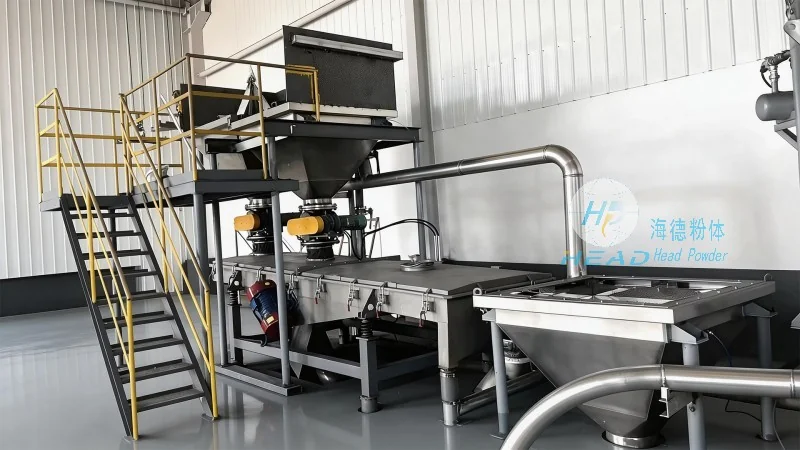
Key Players in the Industry: Shandong HeadPowder Engineering Co., Ltd.
Shandong HeadPowder Engineering Co., Ltd., operating under the brand name HeadPowder, is a leading manufacturer specializing in the design, development, and supply of advanced pneumatic conveying solutions. With a strong presence in China, particularly in Shandong province, the company leverages its expertise in material handling technologies to meet the diverse needs of clients in the abrasive, refractory, and related industries. HeadPowder's commitment to quality and innovation ensures that their systems are tailored to optimize performance, reliability, and cost-effectiveness for corundum transportation.
Classification of Corundum Pneumatic Conveying Systems
Corundum pneumatic conveying systems can be broadly classified based on the conveying principle and operational characteristics. The primary categories include:
- Positive-Pressure (Pressure) Systems: These systems use compressed air to push the material through a pipeline. They are suitable for short to medium distances and can handle a wide range of particle sizes and moisture levels. Positive-pressure systems are commonly used in applications where the material is sensitive to vacuum or where high flow rates are required.
- Negative-Pressure (Vacuum) Systems: In contrast, vacuum systems draw material into the pipeline using a vacuum pump. They are ideal for long-distance transport and for handling materials that are prone to dust or require a closed environment. Negative-pressure systems are often preferred in applications where dust control and material containment are critical.
- Combined (Bi-Directional) Systems: These systems integrate both positive and negative pressure capabilities, allowing for flexible operation. They can transport materials in both directions, making them suitable for complex layouts and multi-stage processes. Combined systems offer versatility and adaptability, catering to varying operational requirements.
Each classification has its own advantages and limitations, and the selection depends on factors such as the distance of transport, material properties, system layout, and environmental considerations. HeadPowder engineers consider these factors to design customized solutions that meet specific client needs.
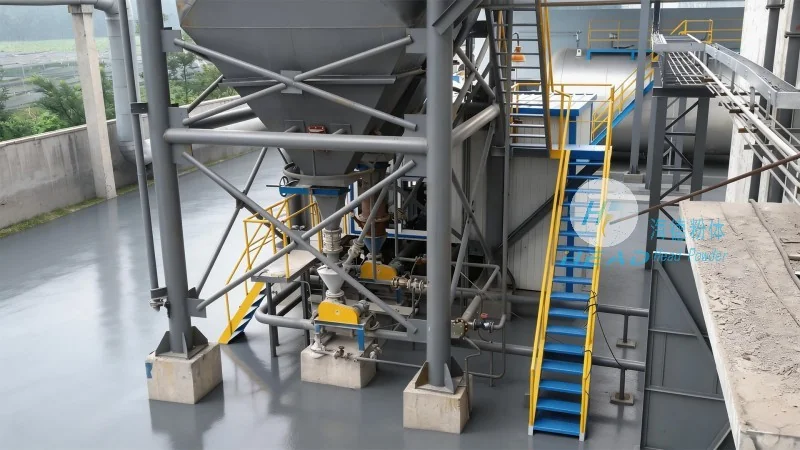
Application Analysis of Corundum Pneumatic Conveying Systems
The application of corundum pneumatic conveying systems spans multiple industries, including:
- Abrasive Manufacturing: Corundum is a key component in the production of grinding wheels, sandpaper, and other abrasive tools. Pneumatic conveying systems efficiently transport raw corundum powders from storage to processing equipment, ensuring consistent quality and minimizing material loss.
- Refractory Production: In the manufacturing of refractory materials, corundum is used as a raw ingredient. The systems help in moving corundum granules and powders between mixing, molding, and firing stages, enhancing production efficiency and reducing labor costs.
- Coating and Surface Treatment: Corundum is used in surface treatments and coatings for its hardness and wear resistance. Pneumatic conveying enables the precise delivery of corundum powders to coating equipment, ensuring uniform application and improved surface properties.
- Chemical and Pharmaceutical Industries: Although less common, corundum may be used in certain chemical processes or as a filler in pharmaceutical products. The systems provide a clean and controlled method for transporting these materials, maintaining product purity and adhering to regulatory standards.
Across these applications, the efficiency of pneumatic conveying systems directly impacts production throughput, product quality, and operational costs. Proper system design, including the selection of appropriate equipment such as rotary valves, airlocks, and filters, is crucial for achieving optimal performance. HeadPowder's expertise in system integration ensures that clients receive tailored solutions that address their unique operational challenges.
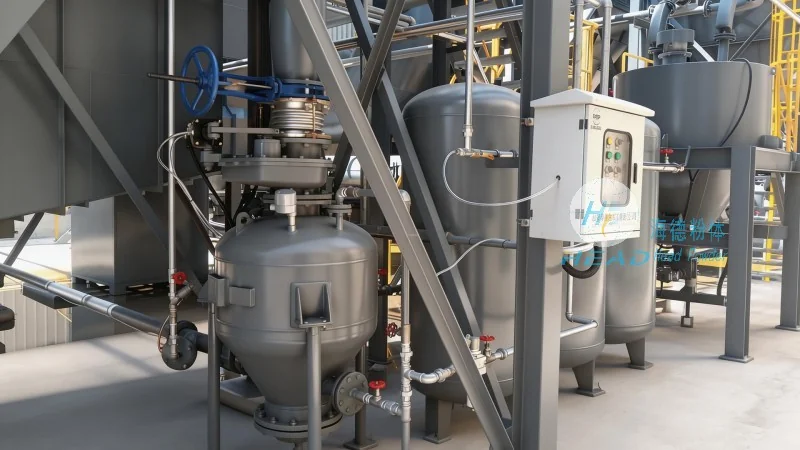
Operational Considerations and Best Practices
Successful operation of corundum pneumatic conveying systems requires careful attention to several key factors:
- Material Properties: Corundum's high hardness and abrasive nature necessitate the use of durable components, such as stainless steel or special alloys, to prevent wear and maintain system longevity. Proper sizing of the pipeline and equipment is essential to handle the material's flow characteristics.
- System Sizing and Layout: The design of the conveying system, including the length of the pipeline, number of bends, and elevation changes, significantly affects the air pressure and flow rate required. HeadPowder engineers use computational fluid dynamics (CFD) and other tools to optimize system design and minimize energy consumption.
- Dust Control and Filtration: Corundum powders are fine and can create dust, which poses health and environmental risks. Effective filtration systems, such as cyclones and bag filters, are integrated into the design to capture and collect dust, ensuring compliance with safety regulations and maintaining a clean working environment.
- Maintenance and Troubleshooting: Regular maintenance, including cleaning of filters, checking for wear in components, and monitoring system performance, is essential to prevent downtime and extend the system's lifespan. HeadPowder provides comprehensive support, including maintenance services and technical assistance, to ensure smooth operation.
By adhering to these best practices, industries can maximize the benefits of corundum pneumatic conveying systems, achieving higher productivity, reduced operational costs, and improved product quality.
Conclusion
Corundum pneumatic conveying systems play a vital role in the efficient handling of this essential industrial material. The classification and application analysis presented in this article highlight the importance of selecting the right system based on specific operational requirements. With its expertise in material handling technologies, Shandong HeadPowder Engineering Co., Ltd. offers customized solutions that address the unique challenges of corundum transportation. By leveraging advanced engineering and quality materials, HeadPowder ensures that clients can achieve optimal performance and reliability in their pneumatic conveying systems, supporting their production processes and contributing to overall business success.