

Technology Analysis of Corn Pneumatic Conveying Systems: Comparison of Positive Pressure and Negativ
When it comes to efficiently transporting corn from storage to processing facilities, pneumatic conveying systems offer a reliable and effective solution. These systems utilize air pressure to move bulk materials like corn, providing advantages such as reduced dust, improved hygiene, and the ability to transport materials over long distances without the need for mechanical components. In this technical analysis, we will delve into the two primary modes of operation for corn pneumatic conveying systems: positive pressure and negative pressure, examining their characteristics, applications, and performance differences. The insights shared here are based on the expertise of Shandong HeadPowder Engineering Co., Ltd., a leading provider of pneumatic conveying solutions for agricultural applications.
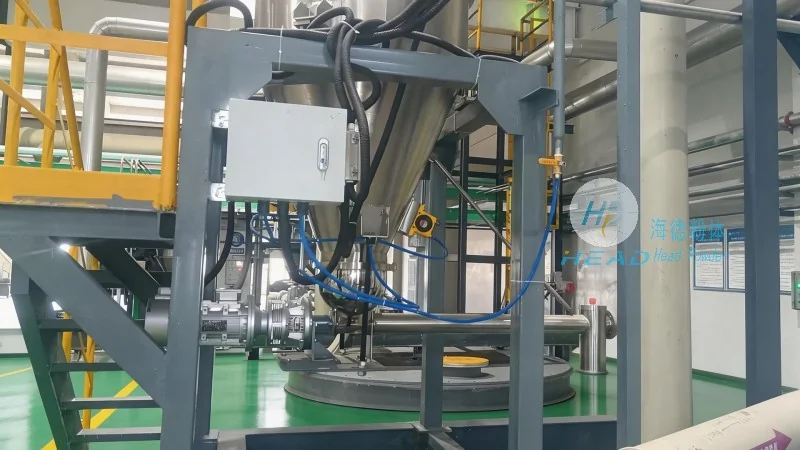
Positive Pressure Conveying Mode
Positive pressure conveying systems operate by blowing air into the material to be transported, creating a pressure differential that propels the corn through the pipeline. This method is often preferred for applications requiring high material flow rates and long-distance transport. The system typically includes a blower or fan that generates the necessary air pressure, with the corn being drawn into the pipeline as the air flows forward. A key advantage of positive pressure systems is their ability to handle a wide range of particle sizes and moisture content, making them suitable for various corn types, including whole kernels, broken corn, and even wet corn. The positive pressure approach also minimizes the risk of material degradation due to friction and abrasion, as the air flow is gentle and controlled. However, these systems may require more maintenance, as the blower and associated components are subject to higher wear and tear from the abrasive nature of corn particles. Additionally, positive pressure systems can be more energy-intensive, as they need to overcome the resistance of the pipeline and any elevation changes in the transport path.
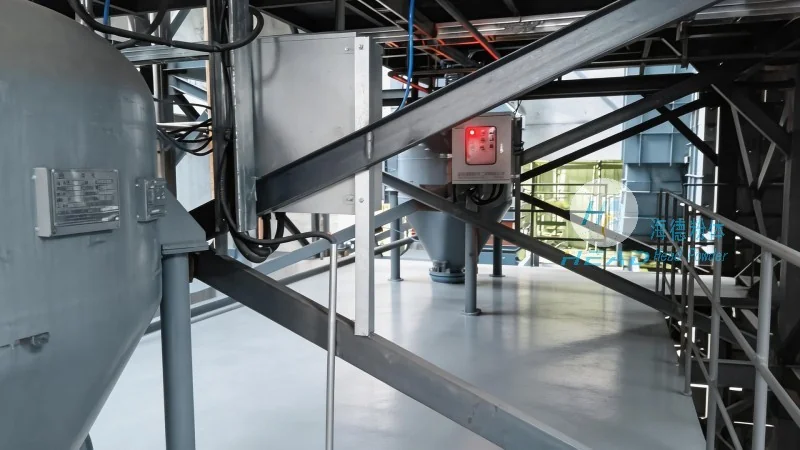
Negative Pressure Conveying Mode
Negative pressure conveying, also known as vacuum conveying, works by creating a vacuum in the pipeline, which draws the corn into the system. The vacuum is generated by a vacuum pump, and the corn is pulled through the pipeline as the air is drawn out. This mode is often used for shorter transport distances and applications where the material needs to be collected from multiple points or where the material is sensitive to high air velocities. Negative pressure systems are particularly effective for handling fine or dusty corn, as the vacuum helps to control dust emissions and maintain a clean environment. One of the main benefits of negative pressure conveying is its lower energy consumption compared to positive pressure systems, as the vacuum pump operates at a lower pressure level. However, these systems may have limitations in terms of the maximum distance they can cover, as the vacuum strength diminishes over longer pipelines. Additionally, negative pressure systems can be more susceptible to clogging, especially with wet or sticky corn, as the material may stick to the pipeline walls under low air flow conditions.
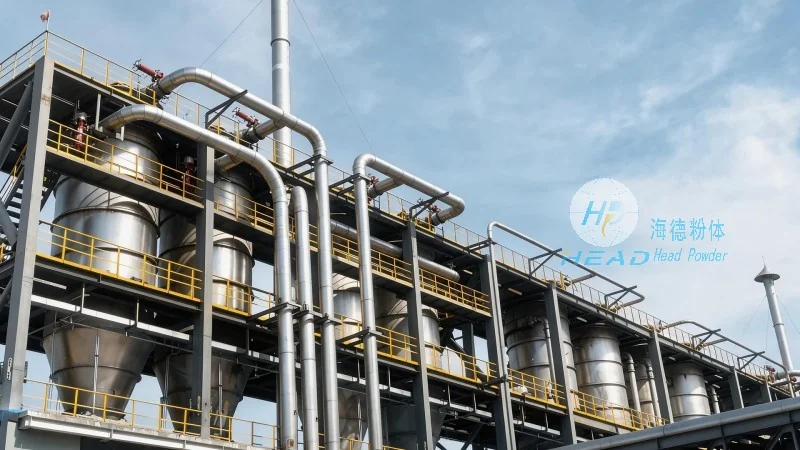
Comparison of Positive and Negative Pressure Modes
When comparing positive and negative pressure conveying modes for corn, several factors come into play. The choice between the two depends on the specific requirements of the application, including the distance to be covered, the material characteristics, and the desired flow rate. Positive pressure systems are generally more suitable for long-distance transport and high-volume applications, as they can maintain consistent air pressure and material flow. They are also better equipped to handle abrasive or high-moisture corn without significant degradation. On the other hand, negative pressure systems excel in shorter transport distances and applications where dust control and low energy consumption are critical. They are ideal for handling fine or sensitive corn that requires gentle handling. In terms of maintenance, positive pressure systems may require more frequent inspections and repairs due to the higher stress on the blower and pipeline components. Negative pressure systems, while requiring less maintenance in terms of the pump, may need more attention to pipeline cleaning and clog prevention. From an operational perspective, positive pressure systems are often easier to start and stop, as the blower can be turned on and off without affecting the vacuum state. Negative pressure systems, however, may take longer to reach the desired vacuum level and can be more complex to control, especially in systems with multiple collection points.