

Technical Analysis of Cement Pneumatic Conveying Systems: Comparison of Positive Pressure and Negati
For industrial applications, the efficient and reliable transport of bulk materials like cement is crucial. Pneumatic conveying systems have emerged as a key solution, offering flexibility and automation in material handling. This article provides a technical analysis of cement pneumatic conveying systems, focusing on the comparison between positive pressure and negative pressure conveying modes. The discussion aims to help industry professionals understand the operational principles, advantages, and limitations of each mode, enabling informed decisions for system selection and optimization.
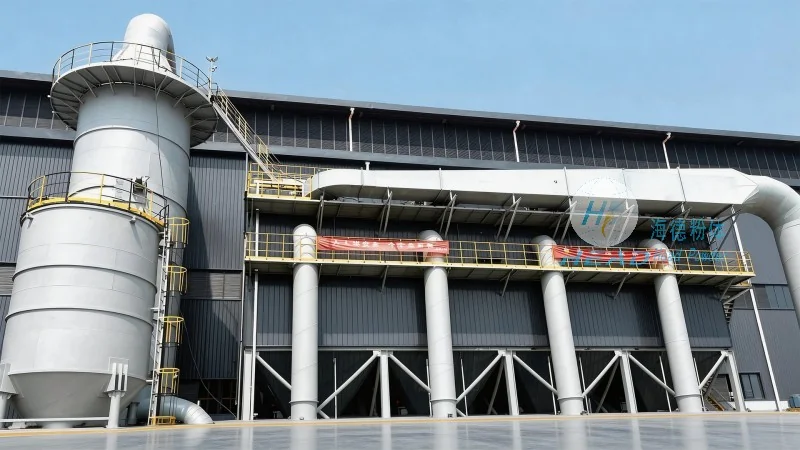
Introduction to Cement Pneumatic Conveying Systems
Pneumatic conveying systems utilize air or gas to transport bulk materials through a pipeline network. In the context of cement handling, these systems are designed to move cement from storage silos or production lines to processing units, packaging stations, or storage facilities. The choice of conveying mode—positive pressure or negative pressure—significantly impacts system performance, energy consumption, and operational safety. Understanding the technical nuances of each mode is essential for selecting the most suitable solution for specific industrial requirements.
Positive Pressure Conveying Mode
Positive pressure conveying systems operate by blowing air or gas into the conveying line, creating a pressure higher than the ambient air pressure. This method propels the material forward through the pipeline. The system typically includes a blower or compressor at the inlet, which generates the necessary pressure to move the cement particles. One of the primary advantages of positive pressure systems is their ability to handle abrasive materials like cement without causing excessive wear on components. Additionally, these systems can operate over longer distances and through complex network configurations, making them suitable for large-scale industrial applications. However, positive pressure systems require robust filtration and dust control measures to prevent air pollution and maintain system efficiency. The energy consumption is generally higher compared to negative pressure systems due to the continuous operation of the blower.
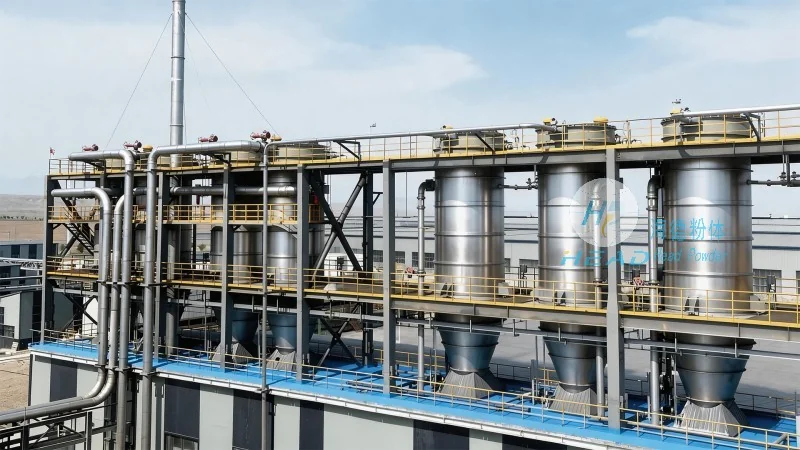
Negative Pressure Conveying Mode
Negative pressure conveying systems, also known as vacuum conveying, operate by creating a vacuum in the conveying line, which draws material from the source into the system. The material is then transported through the pipeline by the suction force. This mode is often preferred for applications requiring gentle handling of materials, as the lower pressure and reduced air velocity minimize particle degradation and dust generation. Negative pressure systems are particularly effective for short-distance conveying and handling of fine powders, where the risk of material degradation is high. The main advantage of this mode is lower energy consumption, as the vacuum is maintained by a relatively small vacuum pump. However, negative pressure systems have limitations in terms of conveying distance and the ability to handle abrasive or heavy materials, as the vacuum may not be sufficient to move materials over long distances or through complex networks without additional assistance.
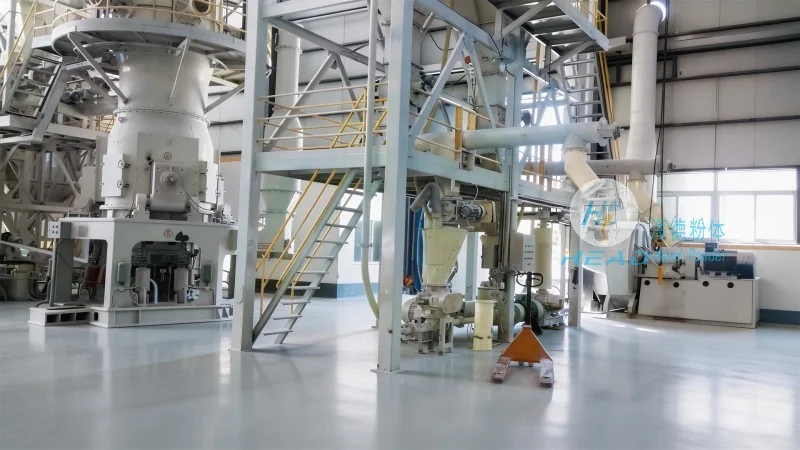
Key Factors in System Selection
When selecting between positive and negative pressure conveying modes for cement applications, several factors must be considered. The distance between the source and destination is a critical factor; positive pressure systems are better suited for longer distances, while negative pressure is more appropriate for shorter runs. The material characteristics, such as particle size, moisture content, and abrasiveness, also influence the choice. For example, abrasive cement particles may benefit from the higher pressure and robust design of positive pressure systems, whereas fine, low-abrasion powders might be better handled by negative pressure systems to avoid degradation. Operational safety and environmental regulations are also important considerations. Positive pressure systems require stringent dust control measures to comply with air quality standards, whereas negative pressure systems may generate more dust at the source, necessitating additional filtration at the intake point. The cost of equipment and maintenance is another factor; positive pressure systems often involve higher upfront costs due to the need for powerful blowers, while negative pressure systems may have lower initial investments but higher long-term maintenance due to the vacuum pump.
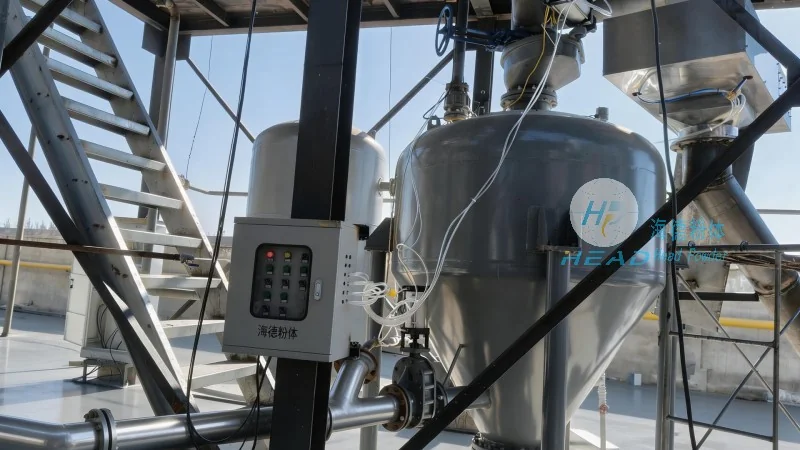
Case Study: Application in Cement Production
Shandong HeadPowder Engineering Co., Ltd., a leading provider of bulk material handling solutions, has extensive experience in implementing both positive and negative pressure conveying systems for cement production. One of their recent projects involved the installation of a positive pressure system in a large cement plant in China. The system was designed to transport cement from storage silos to the packaging line over a distance of 500 meters, handling up to 50 tons per hour. The positive pressure mode was chosen due to the long distance and the need to handle abrasive cement particles. The system included a high-efficiency blower, advanced filtration, and a network of pipelines with multiple inlets and outlets. The implementation resulted in improved material flow efficiency, reduced downtime, and compliance with local environmental regulations. In another project, HeadPowder installed a negative pressure system for a smaller cement plant, where the conveying distance was limited to 100 meters and the material was a fine, low-abrasion powder. The negative pressure system was selected to minimize material degradation and reduce energy consumption. The system utilized a vacuum pump and a compact pipeline network, achieving successful material transport with minimal dust generation.
Conclusion
In conclusion, the choice between positive pressure and negative pressure conveying modes for cement pneumatic systems depends on a range of technical, operational, and economic factors. Positive pressure systems offer robustness and flexibility for long-distance, abrasive material handling, while negative pressure systems provide efficiency and gentleness for short-distance, fine powder transport. Industrial users should evaluate their specific requirements, including material characteristics, conveying distance, and environmental regulations, to select the most appropriate mode. Companies like Shandong HeadPowder Engineering Co., Ltd. play a vital role in designing and implementing customized pneumatic conveying solutions that meet the unique needs of cement production and processing facilities, ensuring optimal performance and reliability.