

Soap Granule Pneumatic Conveying and Automatic Feeding System
HeadPowder, a leading engineering firm based in Shandong, China, specializes in the design and implementation of advanced pneumatic conveying and automatic feeding systems tailored for soap granule processing. This article provides an in-depth overview of such systems, highlighting their technical features, operational benefits, and the role of Shandong HeadPowder Engineering Co., Ltd. in delivering reliable solutions for industrial applications.
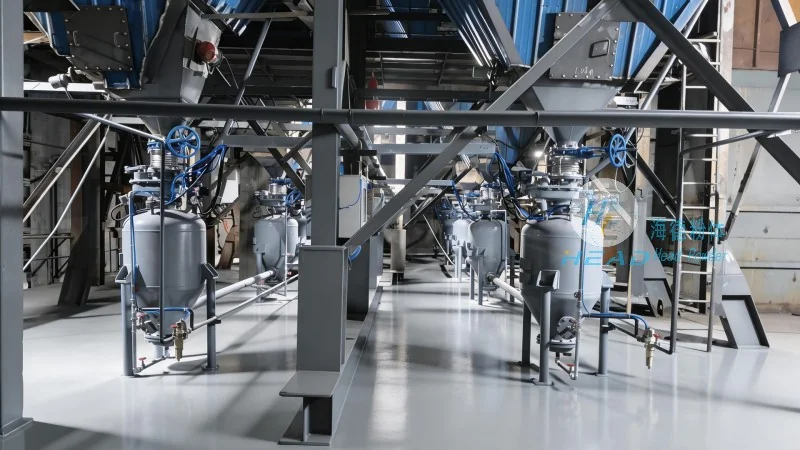
Understanding Pneumatic Conveying for Soap Granules
Pneumatic conveying systems are essential for the efficient transport of soap granules from storage silos or processing units to production lines. These systems utilize air pressure to move granular materials, eliminating the need for mechanical components like conveyor belts or buckets that may cause contamination or material degradation. The core components of a typical pneumatic conveying system for soap granules include a hopper for material storage, a rotary valve or feeder to control the flow rate, a pipeline network, and a receiver where the material is deposited. The system can operate in either positive or negative pressure modes, depending on the specific requirements of the process. Positive pressure systems push the material through the pipeline using compressed air, while negative pressure systems draw the material by creating a vacuum. This flexibility allows for the adaptation of the system to various plant layouts and material handling needs.
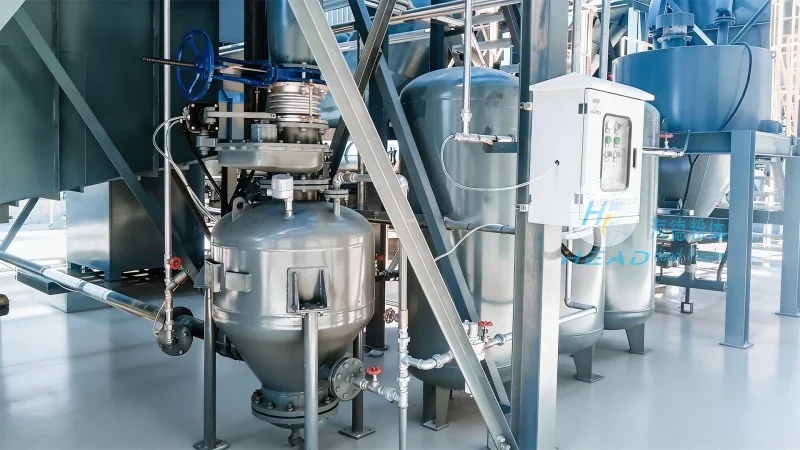
Automatic Feeding Systems: Precision and Control
Automated feeding systems are integrated with the pneumatic conveying infrastructure to ensure precise and consistent material delivery to downstream processes, such as mixing, compounding, or packaging. These systems typically employ sensors and control logic to monitor the material level in the hopper and adjust the feeding rate accordingly. For soap granules, which require uniform particle size and composition, the accuracy of the feeding process is critical. The automatic feeding system may include a gravimetric feeder or a volumetric feeder, depending on the desired level of precision. Gravimetric feeders measure the mass of material being fed, providing high accuracy even with varying material density or flow characteristics. Volumetric feeders, on the other hand, measure the volume of material, which is suitable for applications where high precision is less critical but consistent flow is required. The integration of these feeding systems with the pneumatic conveying network ensures that the soap granules are delivered to the processing equipment at the exact rate needed, minimizing waste and optimizing production efficiency.
Technical Advantages and Operational Benefits
The combination of pneumatic conveying and automatic feeding systems offers several key advantages for soap granule processing facilities. Firstly, the systems enhance operational efficiency by automating the material handling process, reducing the need for manual intervention and labor costs. The automated feeding system ensures consistent material flow, which improves the quality and uniformity of the final product. Secondly, the pneumatic conveying method minimizes material contamination, as it avoids direct contact with mechanical parts that could introduce foreign particles or moisture. This is particularly important for soap granules, which are sensitive to impurities that can affect their performance and appearance. Thirdly, the systems provide flexibility in terms of plant layout and scalability. The modular design of the pneumatic conveying and feeding equipment allows for easy expansion or reconfiguration as production needs change. This adaptability is crucial for businesses that may experience growth or need to adjust their production processes over time. Additionally, the use of advanced control systems enables real-time monitoring and adjustment of the conveying and feeding parameters, ensuring optimal performance and reducing downtime.
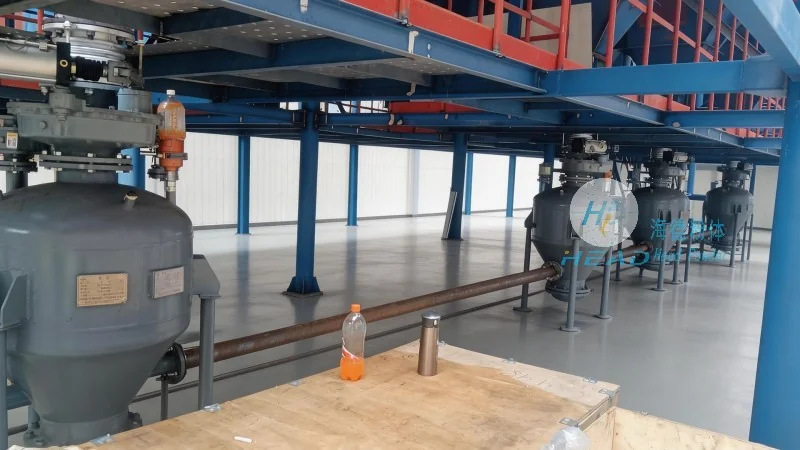
HeadPowder's Expertise in System Design and Implementation
Shandong HeadPowder Engineering Co., Ltd. leverages its extensive experience in chemical engineering and material handling to design and manufacture customized pneumatic conveying and automatic feeding systems for soap granule applications. The company's team of engineers works closely with clients to understand their specific production requirements, including material characteristics, processing capacity, and plant layout. Based on this understanding, they develop tailored system solutions that meet the unique needs of each project. HeadPowder utilizes high-quality components and materials in the construction of its systems, ensuring durability and reliability in demanding industrial environments. The company also provides comprehensive after-sales support, including installation, commissioning, and maintenance services, to ensure that the systems operate at peak performance throughout their service life. By partnering with HeadPowder, soap granule manufacturers can benefit from a reliable and efficient material handling solution that enhances their production capabilities and improves overall operational efficiency.