

Technical Analysis of White Clay Pneumatic Conveying Systems: Comparison of Positive Pressure and Ne
White clay, a key raw material in various industrial applications, requires efficient and reliable transportation methods to ensure smooth production processes. Pneumatic conveying systems have emerged as a preferred solution for handling white clay due to their ability to transport bulk materials with minimal contamination and high throughput. This article provides a technical analysis of white clay pneumatic conveying systems, focusing on the comparison between positive pressure and negative pressure conveying modes. The discussion is based on the expertise of Shandong HeadPowder Engineering Co., Ltd., a leading provider in the field.
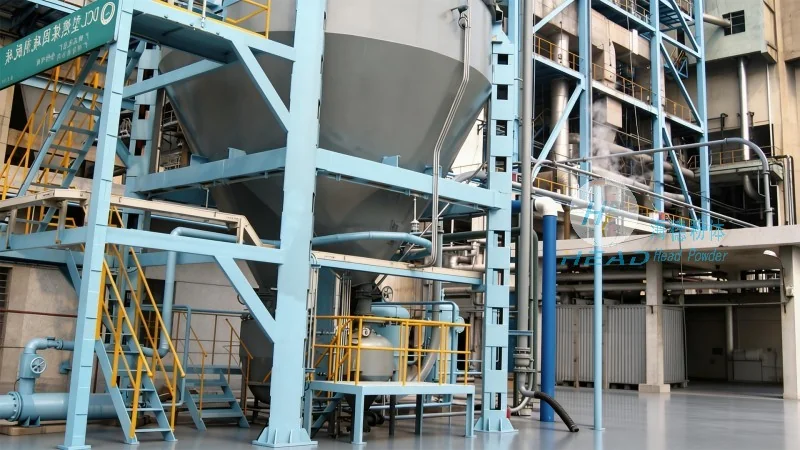
Understanding Pneumatic Conveying Modes
Pneumatic conveying systems utilize air or gas to transport bulk materials through a pipeline. The two primary modes are positive pressure and negative pressure systems, each with distinct operational principles and applications. Positive pressure systems operate by blowing air into the conveying line, while negative pressure systems create a vacuum to draw material into the line. The choice between these modes depends on factors such as material properties, system layout, and operational requirements.
Positive Pressure Conveying Mode
Positive pressure conveying systems are characterized by the use of a blower or compressor to generate air pressure within the conveying line. This mode is suitable for transporting materials that are prone to caking or agglomeration, as the high pressure helps maintain material flow and prevents blockages. The system typically includes a hopper, a rotary valve, a blower, and a pipeline network. The blower supplies compressed air, which propels the white clay particles through the line. The positive pressure mode is often preferred for long-distance or high-capacity conveying applications. HeadPowder, with its advanced engineering solutions, offers customized positive pressure systems tailored to specific white clay handling needs. These systems ensure efficient material transport while minimizing energy consumption and maintenance costs.
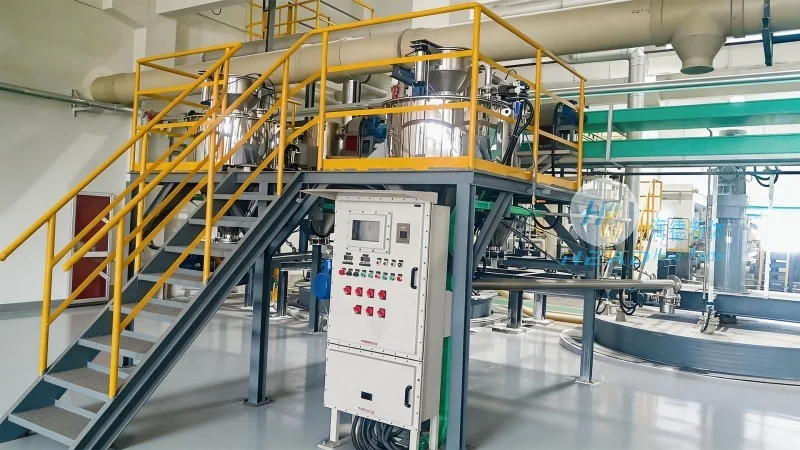
Negative Pressure Conveying Mode
Negative pressure conveying systems operate by creating a vacuum in the conveying line, which draws the white clay material from the source into the system. This mode is ideal for applications where material contamination is a concern, as the sealed pipeline prevents external particles from entering. The system consists of a vacuum pump, a hopper, a rotary valve, and a pipeline. The vacuum pump generates a low-pressure environment, allowing the white clay to be drawn into the line. Negative pressure systems are commonly used for short-distance conveying or when the material is sensitive to pressure changes. HeadPowder's negative pressure solutions are designed to handle delicate white clay materials, ensuring minimal degradation and high purity. The company's expertise in vacuum technology enables the development of efficient and reliable systems that meet stringent industry standards.
Comparison of Positive and Negative Pressure Modes
When comparing positive and negative pressure conveying modes for white clay, several factors come into play. Positive pressure systems generally offer higher conveying capacities and are more suitable for long-distance transport. They are also more energy-efficient in high-capacity applications. However, they may require more maintenance due to the higher pressure components. Negative pressure systems, on the other hand, provide better material containment and are ideal for applications where product purity is critical. They are often more suitable for short-distance or sensitive material handling. The choice between the two modes depends on the specific requirements of the white clay handling process, including material characteristics, system layout, and operational constraints. HeadPowder's technical team conducts thorough assessments to recommend the most appropriate conveying mode for each client's needs, ensuring optimal performance and cost-effectiveness.
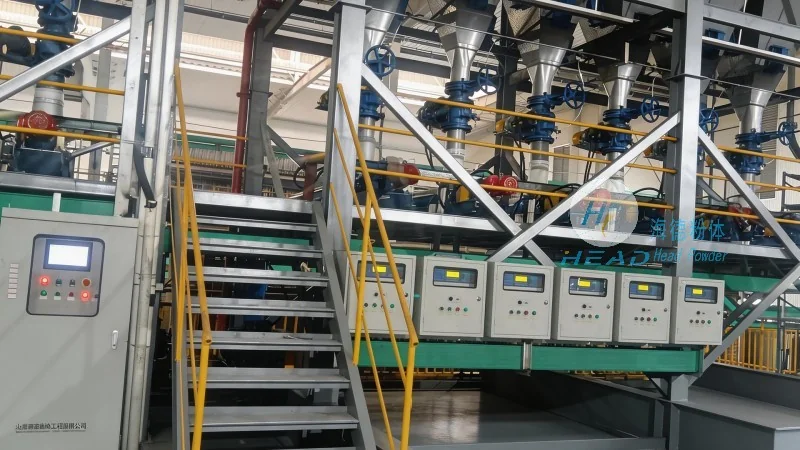
Key Considerations for White Clay Pneumatic Conveying
Implementing an effective white clay pneumatic conveying system involves several key considerations. Material properties, such as particle size, moisture content, and flowability, significantly impact system design. The system layout, including pipeline length, elevation changes, and number of transfer points, must be carefully planned to ensure smooth material flow. Energy efficiency and operational costs are also critical factors, as pneumatic conveying systems can be energy-intensive. Maintenance and reliability are essential for long-term system performance. HeadPowder addresses these considerations through comprehensive engineering services, including system design, installation, and maintenance support. The company's expertise in white clay handling ensures that clients receive tailored solutions that meet their specific operational and performance requirements.
Conclusion
White clay pneumatic conveying systems are essential for efficient material handling in various industrial applications. The comparison between positive pressure and negative pressure modes highlights the importance of selecting the appropriate system based on specific operational needs. Positive pressure systems offer high capacity and efficiency for long-distance transport, while negative pressure systems provide better material containment and are suitable for sensitive applications. Shandong HeadPowder Engineering Co., Ltd. provides comprehensive solutions for white clay pneumatic conveying, leveraging advanced technology and engineering expertise to meet the diverse needs of its clients. By understanding the technical aspects of both conveying modes, industries can optimize their material handling processes and enhance overall operational efficiency.