

Technical Analysis of Bone Powder Pneumatic Conveying Systems: Comparison of Positive Pressure vs. N
When it comes to the efficient and reliable handling of bone powder, pneumatic conveying systems have emerged as a critical solution in the processing industry. These systems utilize air to transport bulk materials like bone powder, offering advantages such as reduced contamination, improved safety, and enhanced process control. However, the choice between positive pressure and negative pressure conveying modes is a key decision that impacts system performance, maintenance, and operational costs. This article provides a technical analysis of bone powder pneumatic conveying systems, focusing on the comparison between positive pressure and negative pressure modes, and highlights the expertise of Shandong HeadPowder Engineering Co., Ltd. in designing and implementing these solutions.
Understanding Pneumatic Conveying Fundamentals
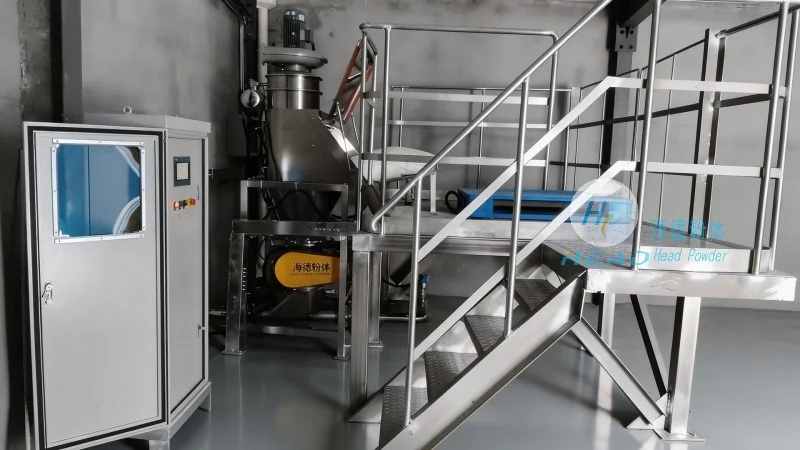
Pneumatic conveying systems operate by transporting bulk materials through a pipeline using air. The two primary modes—positive pressure and negative pressure—differ in how air is introduced and managed within the system. Positive pressure systems force air into the material stream, while negative pressure systems create a vacuum to draw material into the pipeline. Both modes have distinct characteristics that make them suitable for different applications and material properties.
Positive Pressure Conveying Mode: Advantages and Applications
Positive pressure conveying systems operate by blowing air into the material, creating a pressure higher than the ambient air. This method is particularly effective for transporting bone powder due to its ability to handle abrasive and dusty materials. One of the key advantages of positive pressure systems is their high conveying capacity, which allows for the movement of large volumes of bone powder over long distances. Additionally, positive pressure systems are generally more suitable for abrasive materials like bone powder, as the air flow helps to reduce material buildup and wear on system components. However, they may require more robust equipment and higher energy consumption compared to negative pressure systems.
Negative Pressure Conveying Mode: Benefits and Considerations
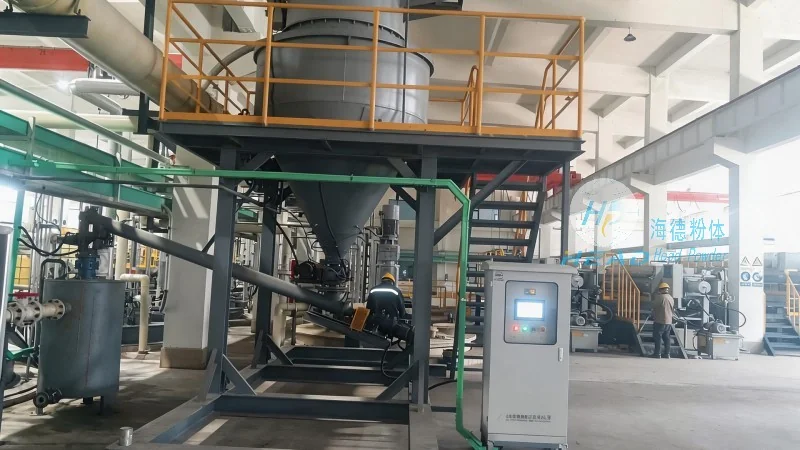
Negative pressure conveying systems, on the other hand, create a vacuum in the pipeline to draw material into the system. This mode is often preferred for applications where dust control and environmental compliance are critical. The vacuum helps to minimize dust emissions and maintain a cleaner working environment, which is particularly important in facilities handling bone powder. Negative pressure systems are also generally more energy-efficient and may require less maintenance compared to positive pressure systems. However, they may have limitations in terms of conveying distance and material capacity, especially for highly abrasive or dense materials like bone powder.
Key Factors in Selecting the Right Conveying Mode
The choice between positive and negative pressure conveying modes depends on several factors, including the material properties of bone powder, the distance to be conveyed, the required flow rate, and the environmental regulations of the facility. For instance, if the bone powder is abrasive and needs to be transported over long distances, a positive pressure system may be more suitable due to its higher capacity and durability. Conversely, if dust control and energy efficiency are top priorities, a negative pressure system might be preferred. It is essential to conduct a thorough analysis of the specific requirements and constraints of the application to determine the most appropriate conveying mode.
Expertise of Shandong HeadPowder Engineering Co., Ltd.
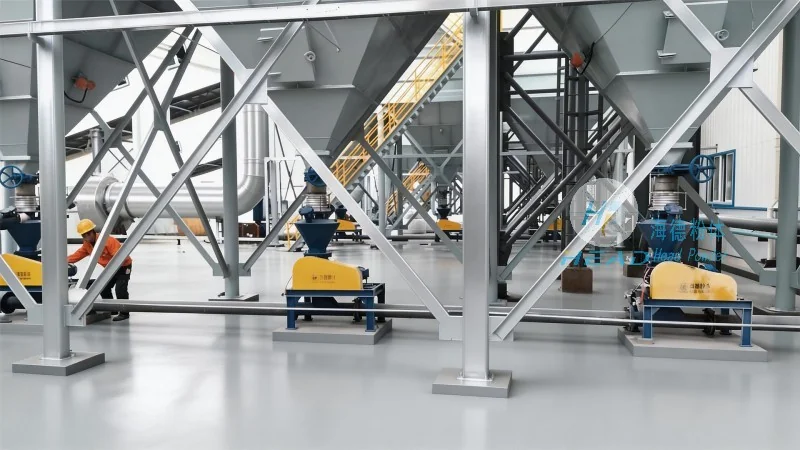
Shandong HeadPowder Engineering Co., Ltd., a leading provider of pneumatic conveying solutions, specializes in designing and implementing customized systems for bone powder handling. With years of experience in the industry, the company has developed a deep understanding of the unique challenges associated with processing bone powder, such as its abrasive nature and the need for efficient dust control. HeadPowder engineers work closely with clients to assess their specific needs and recommend the most suitable conveying mode and system configuration. The company's expertise extends to the integration of advanced technologies, such as variable frequency drives and material flow sensors, to optimize system performance and reduce operational costs.
Conclusion: Balancing Performance and Efficiency
In conclusion, the selection of the right pneumatic conveying mode—positive or negative—for bone powder handling is a critical decision that impacts system efficiency, maintenance, and overall operational costs. Positive pressure systems offer high capacity and durability for abrasive materials, while negative pressure systems provide superior dust control and energy efficiency. By understanding the specific requirements of the application and leveraging the expertise of companies like Shandong HeadPowder Engineering Co., Ltd., facilities can achieve optimal performance and reliability in their bone powder handling processes. Whether choosing positive or negative pressure, the goal is to balance the technical advantages of each mode with the practical needs of the operation to ensure long-term success.