

Technical Analysis of Fly Ash Pneumatic Conveying Systems: Comparison of Positive Pressure and Negat
Fly ash, a byproduct of coal combustion in thermal power plants, poses significant challenges for handling and disposal. Efficient and reliable transportation of fly ash is crucial for maintaining operational efficiency and environmental compliance. Pneumatic conveying systems have emerged as a preferred solution for this task, offering a range of advantages over traditional methods such as belt conveyors or truck transport. This technical analysis explores the key differences between positive pressure and negative pressure pneumatic conveying modes, providing insights into their applications and performance characteristics.
Positive Pressure Pneumatic Conveying: Technical Overview
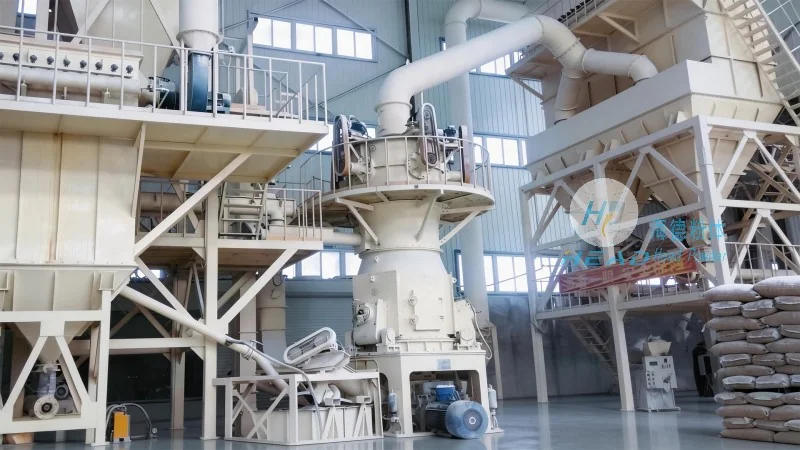
Positive pressure systems operate by blowing air or a gas mixture into the conveying line, creating a pressure higher than the ambient air pressure. This method is widely used in industrial applications due to its ability to handle abrasive materials like fly ash. The system typically consists of a blower, a hopper for material storage, and a pipeline network. The air pressure forces the fly ash particles to move through the pipeline, with the velocity of the air determining the conveying capacity. One of the primary advantages of positive pressure systems is their ability to handle long distances and multiple delivery points without the need for intermediate storage. However, they require robust equipment to withstand the higher pressure and can be more energy-intensive compared to negative pressure systems. The design of the pipeline, including the diameter and bends, is critical to ensure efficient flow and minimize pressure drop. HeadPowder Engineering, a leading provider of industrial conveying solutions, offers customized positive pressure systems tailored to specific fly ash handling requirements. Their expertise in material handling ensures that the systems are optimized for durability and performance, reducing maintenance costs and increasing operational uptime.
Negative Pressure Pneumatic Conveying: Technical Overview
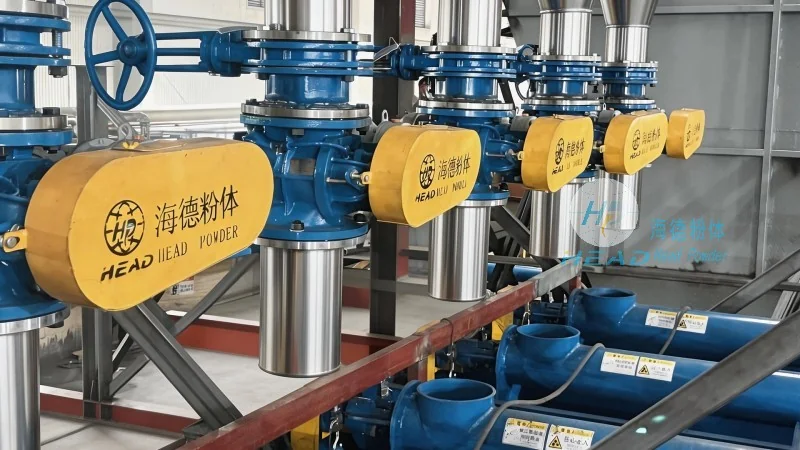
Negative pressure systems, also known as vacuum conveying, operate by creating a vacuum in the conveying line, drawing material from the source into the pipeline. This method is particularly suitable for applications where the material needs to be transported from a source that is difficult to access or where dust control is a priority. The system includes a vacuum pump, a hopper, and a pipeline with a filter at the receiving end to capture the material. The vacuum level determines the conveying distance and capacity. Negative pressure systems are generally more energy-efficient than positive pressure systems, as they use less power to maintain the vacuum. However, they have limitations in terms of conveying distance and the ability to handle abrasive or high-density materials. The filter at the receiving end is a critical component, as it prevents dust from escaping into the environment and requires regular maintenance to ensure efficient operation. HeadPowder Engineering also provides negative pressure conveying solutions, designed to meet the specific needs of clients in the power generation industry. Their systems are equipped with advanced filtration technology to ensure compliance with environmental regulations and to maintain a clean working environment.
Comparison of Positive Pressure vs. Negative Pressure Conveying
When selecting a pneumatic conveying system for fly ash, it is essential to consider the specific operational requirements, such as the distance to be covered, the volume of material to be transported, and the environmental constraints. Positive pressure systems are generally more suitable for long-distance and high-volume applications, as they can maintain consistent pressure and flow. They are also better equipped to handle abrasive materials and multiple delivery points. On the other hand, negative pressure systems are ideal for short-distance transport and applications where dust control is paramount. They are more energy-efficient and can be more cost-effective for smaller-scale operations. The choice between the two modes also depends on the available space and the layout of the facility. For example, positive pressure systems may require more space for the blower and pipeline, while negative pressure systems can be more compact. HeadPowder Engineering offers comprehensive technical support to help clients evaluate their options and select the most appropriate conveying system. Their engineers work closely with clients to analyze the specific conditions and provide customized solutions that optimize performance and reduce operational costs.
About HeadPowder Engineering
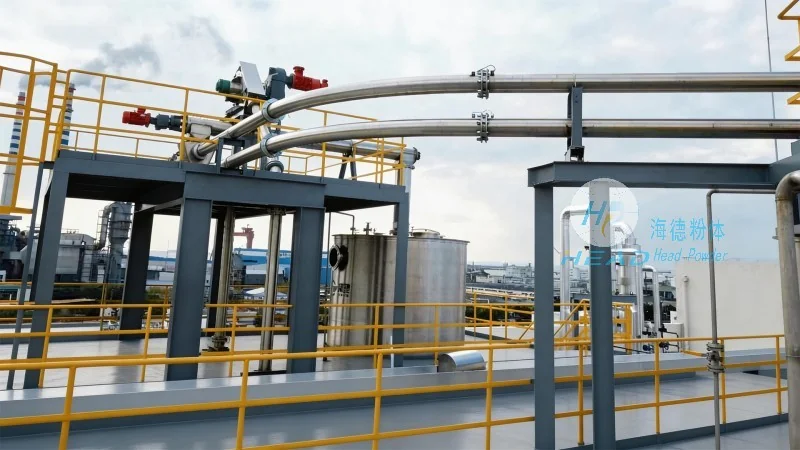
HeadPowder Engineering, a prominent company based in Shandong, China, specializes in the design, manufacturing, and installation of industrial conveying systems. With years of experience in the power generation and material handling sectors, the company has developed a strong reputation for delivering high-quality solutions tailored to the needs of its clients. HeadPowder Engineering's commitment to innovation and customer satisfaction has enabled it to serve a wide range of industries, including thermal power plants, cement factories, and mining operations. The company's headquarters is located in Shandong, China, providing a strategic base for serving clients in the region and beyond. HeadPowder Engineering's team of experts includes experienced engineers, technicians, and project managers who are dedicated to providing reliable and efficient conveying solutions. The company's products are designed to meet international standards and are backed by a comprehensive after-sales service, ensuring that clients receive the support they need throughout the lifecycle of their systems.