

Common Methods for Mung Bean Conveying
When it comes to the efficient handling and transportation of mung beans, understanding the various conveying methods is crucial for optimizing processing operations. Mung beans, a staple ingredient in many culinary traditions and industrial applications, require reliable and effective systems to ensure smooth flow from storage to processing stages. This article explores the common methods used for mung bean conveying, highlighting the key technologies and considerations that contribute to successful material handling in agricultural and food processing industries.

Gravity Conveying Systems
Gravity conveying is a fundamental approach in mung bean handling, leveraging the natural force of gravity to move beans along inclined or sloped pathways. This method is particularly suitable for facilities with existing elevation changes or where space constraints limit the use of mechanical equipment. In gravity systems, mung beans are typically placed on a sloped conveyor or chute, allowing them to move downward under the influence of gravity. The design of these systems often includes features such as smooth, non-stick surfaces to prevent bean damage and ensure consistent flow. For example, a gravity conveyor might be integrated into a storage silo or hopper, where beans are released and flow into a processing line below. This approach minimizes energy consumption and operational costs, making it an attractive option for smaller-scale operations or facilities with limited budget constraints.
Mechanical Conveying Solutions
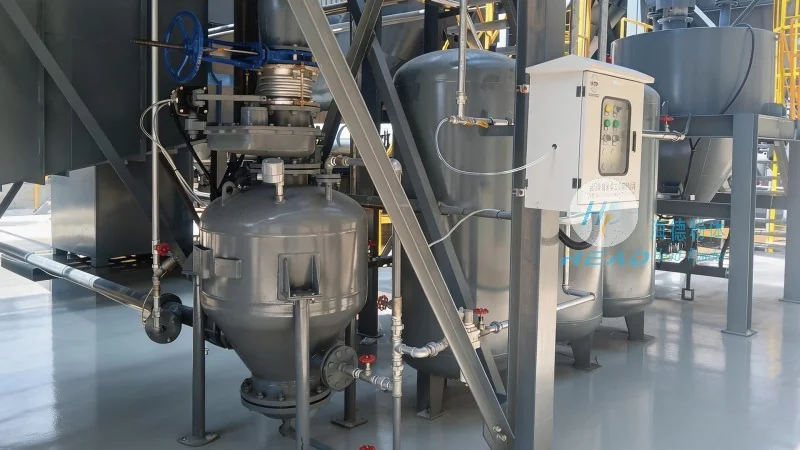
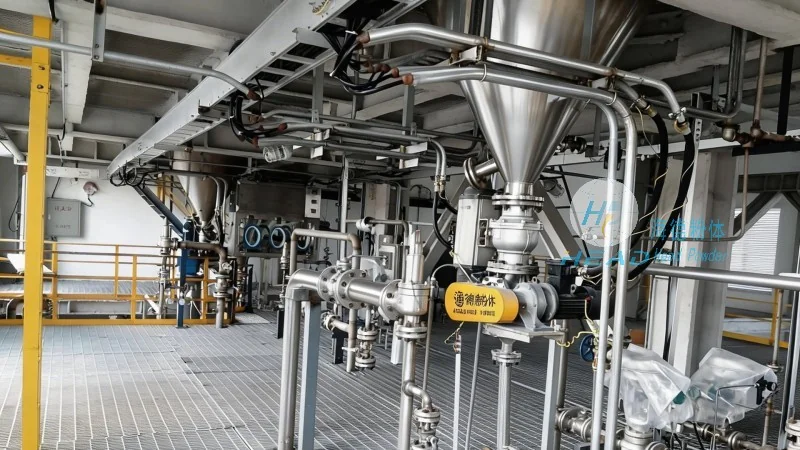
For applications requiring more controlled and consistent movement, mechanical conveying systems offer enhanced reliability and efficiency. These systems utilize motors and mechanical components to drive the movement of mung beans, providing greater control over speed, direction, and load capacity. One common type of mechanical conveyor for mung beans is the screw conveyor, which uses a rotating helical screw to push beans forward along a tube or trough. Screw conveyors are ideal for vertical or horizontal transport, and they can handle a wide range of bean sizes and moisture levels. Another popular option is the belt conveyor, which employs a continuous belt to transport beans over rollers or idlers. Belt conveyors are versatile and can be adapted for various environments, including wet or dusty conditions, making them suitable for both indoor and outdoor processing facilities. Additionally, pneumatic conveying systems, which use air pressure to transport beans in a closed pipeline, offer high-speed and low-damage transport. These systems are particularly effective for long-distance or high-volume conveying, though they require careful maintenance to prevent blockages and ensure consistent airflow.
Hybrid Conveying Systems
In many industrial settings, a combination of gravity and mechanical conveying is employed to achieve optimal performance. Hybrid systems leverage the benefits of both approaches, allowing for flexible and efficient material handling. For instance, a facility might use a gravity chute to move beans from a storage bin to a screw conveyor, which then transports them to the processing line. This setup minimizes energy use during the initial stage while providing the necessary control for subsequent stages. Hybrid systems are particularly advantageous in large-scale operations where different conveying requirements exist at various points in the process. By integrating multiple technologies, these systems can adapt to changing production volumes and operational needs, ensuring consistent and reliable bean flow throughout the entire operation.
Key Considerations for Mung Bean Conveying
When selecting a conveying method for mung beans, several factors must be considered to ensure the system meets operational requirements and maintains product quality. First, the physical properties of the beans, such as size, shape, and moisture content, play a critical role in determining the most suitable conveying technology. For example, larger or irregularly shaped beans may require more robust systems to prevent blockages or damage. Second, the scale of the operation and the distance to be covered influence the choice of equipment. Small-scale operations might opt for gravity or simple belt conveyors, while large-scale facilities may need more complex mechanical or pneumatic systems. Third, the need for product protection is essential, as mung beans are sensitive to mechanical stress and can be easily bruised or damaged during transport. Therefore, systems with gentle handling features, such as smooth surfaces and low-speed operation, are preferred. Additionally, maintenance and operational costs should be evaluated, as different conveying methods have varying long-term expenses. By carefully assessing these factors, businesses can select the most appropriate conveying system for their mung bean processing needs.
Conclusion and Company Overview
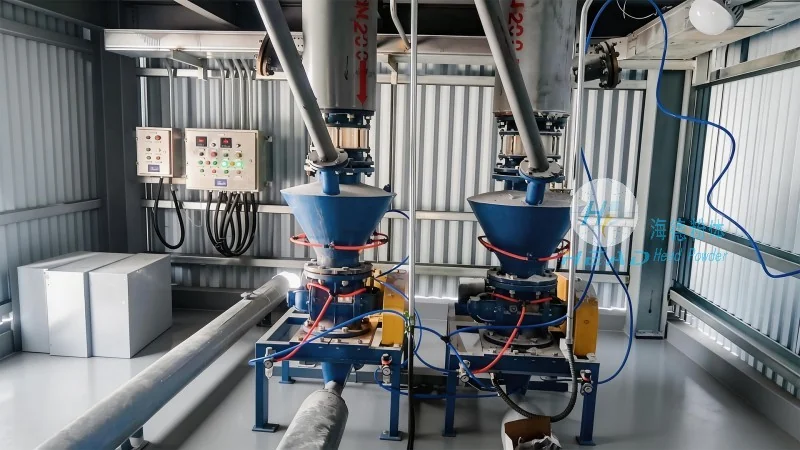
Efficient mung bean conveying is a vital component of modern food processing and agricultural operations, ensuring that beans are handled safely and effectively from storage to final use. The common methods discussed, including gravity, mechanical, and hybrid systems, each offer unique advantages and are selected based on specific operational requirements. Whether for small-scale or large-scale applications, the right conveying system can enhance productivity, reduce costs, and maintain product quality. As a leading provider in the industry, Shandong HeadPowder Engineering Co., Ltd. specializes in designing and manufacturing tailored conveying solutions for mung beans and other agricultural products. With a focus on innovation and customer satisfaction, HeadPowder offers comprehensive services, including system design, installation, and maintenance, to support businesses in optimizing their material handling processes. Located in Shandong, China, HeadPowder leverages its expertise and local resources to deliver high-quality, reliable conveying systems that meet the diverse needs of the agricultural and food processing sectors. By partnering with HeadPowder, businesses can enhance their operational efficiency and ensure the smooth flow of mung beans throughout their production cycle.