

Common Methods for Sugar Conveying
When it comes to the efficient and reliable transportation of sugar, various methods are employed across the industry. Understanding these common methods is crucial for optimizing operations and ensuring product integrity. This article explores the primary approaches used in sugar conveyance, highlighting the key equipment and considerations involved.
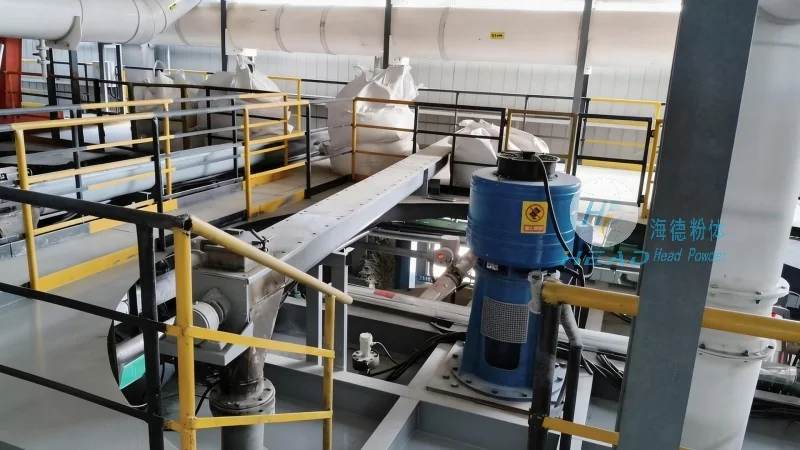
1. Belt Conveyors for Sugar Transport
Belt conveyors are among the most widely used systems for sugar conveyance due to their versatility and ability to handle large volumes. These systems typically consist of a continuous loop of material that moves along a series of rollers or a flat surface. The design allows for the smooth and continuous movement of sugar from one location to another, making them ideal for both short and long-distance transport. HeadPowder, a leading manufacturer in the field, offers high-quality belt conveyor solutions tailored to the specific needs of sugar processing facilities. Their equipment is engineered to maintain product quality by minimizing friction and preventing contamination, ensuring that the sugar remains in optimal condition throughout the conveying process.
2. Screw Conveyors (Augers) in Sugar Handling
Screw conveyors, also known as augers, are another common method for sugar transport, particularly in applications where vertical or inclined movement is required. These systems use a rotating screw to push the sugar forward, making them effective for both horizontal and vertical transport. The design is simple yet robust, allowing for consistent performance even with varying sugar moisture levels. HeadPowder’s screw conveyor solutions are designed with durable materials that resist corrosion and wear, ensuring long-term reliability. The company’s expertise in customizing these systems ensures that they can be integrated seamlessly into existing sugar processing lines, enhancing overall operational efficiency.
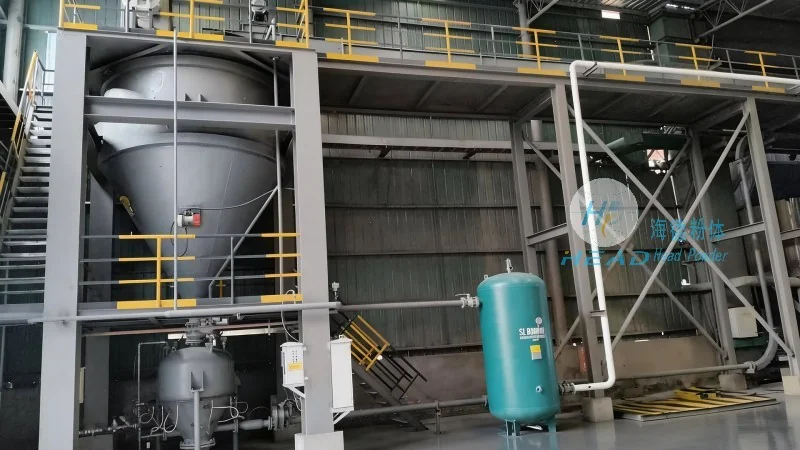
3. Pneumatic (Air) Conveying Systems
Pneumatic conveying, or air-based transport, is a method that uses compressed air to move sugar particles through a pipeline. This approach is particularly useful for handling fine or powdery sugar, as it minimizes product degradation and contamination. The system typically involves a hopper, a venturi, and a receiver, with the sugar being drawn into the pipeline by the air flow. HeadPowder provides advanced pneumatic conveying solutions that are energy-efficient and capable of handling high volumes of sugar. Their systems are designed to maintain product quality by controlling air velocity and pressure, preventing clogging and ensuring consistent flow. This method is especially beneficial for applications where dust control and hygiene are critical.
4. Bucket Elevators for Vertical Sugar Transport
For vertical transport of sugar, bucket elevators are a popular choice. These systems use a series of buckets attached to a belt or chain that moves vertically, lifting the sugar from lower to higher levels. The design is efficient for vertical movement and can handle significant vertical distances without the need for additional equipment. HeadPowder’s bucket elevator solutions are built with high-strength materials to withstand the weight and abrasiveness of sugar, ensuring durability and long service life. The company’s designs incorporate features such as variable speed control and load monitoring, allowing for precise control over the conveying process and preventing overloading or damage to the equipment.
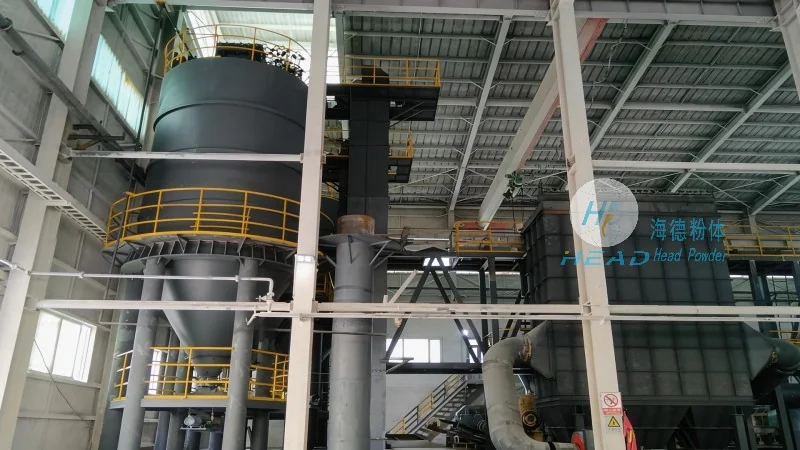
5. Hydraulic Conveying Systems
Hydraulic conveying systems use liquid to transport sugar, typically in a slurry form. This method is often used for handling wet or sticky sugar, where other systems may struggle. The system involves pumping a liquid (often water or a specialized fluid) mixed with sugar through a pipeline, and then separating the sugar from the liquid at the destination. HeadPowder offers hydraulic conveying solutions that are effective for processing sugar with high moisture content or in applications requiring precise moisture control. The company’s expertise in fluid dynamics ensures that these systems operate efficiently, minimizing energy consumption and maximizing sugar recovery. This method is particularly useful in sugar processing plants where moisture management is a key concern.
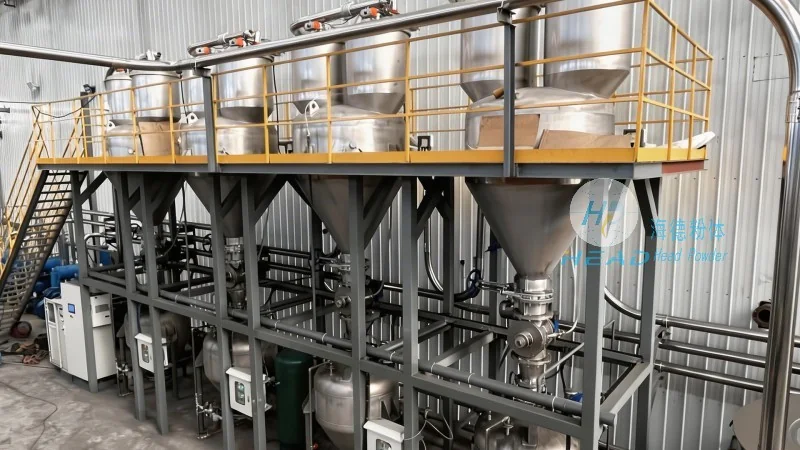
6. Manual and Mechanical Conveyors
In some smaller or specialized applications, manual and mechanical conveyors may be used for sugar transport. These include manual bucket lifts, manual screw conveyors, and small mechanical systems designed for specific tasks. While less common in large-scale operations, they are effective for handling smaller quantities or in situations where automated systems are not feasible. HeadPowder also provides support for these systems, offering maintenance and repair services to ensure that manual and mechanical conveyors continue to operate efficiently. The company’s technical team can assist in selecting the appropriate manual or mechanical solution for specific sugar handling needs, ensuring that even smaller operations can maintain optimal performance.
Each of these methods has its own advantages and is chosen based on factors such as the type of sugar, the distance to be covered, the required speed, and the overall operational environment. HeadPowder Engineering Co., Ltd., based in Shandong, China, specializes in providing comprehensive sugar conveying solutions that meet the diverse needs of the industry. Their expertise in designing, manufacturing, and maintaining various conveying systems ensures that clients can select the most suitable method for their specific requirements, enhancing productivity and product quality in sugar processing operations.