

Classification and Composition of Calcined Lime Pneumatic Conveying Systems
For industrial applications requiring efficient handling of calcined lime, pneumatic conveying systems offer a reliable solution. These systems are designed to transport bulk materials like calcined lime through a network of pipes using air pressure or suction. Understanding the classification and composition of such systems is crucial for selecting the most suitable equipment for specific operational needs.
Introduction to Calcined Lime Pneumatic Conveying Systems
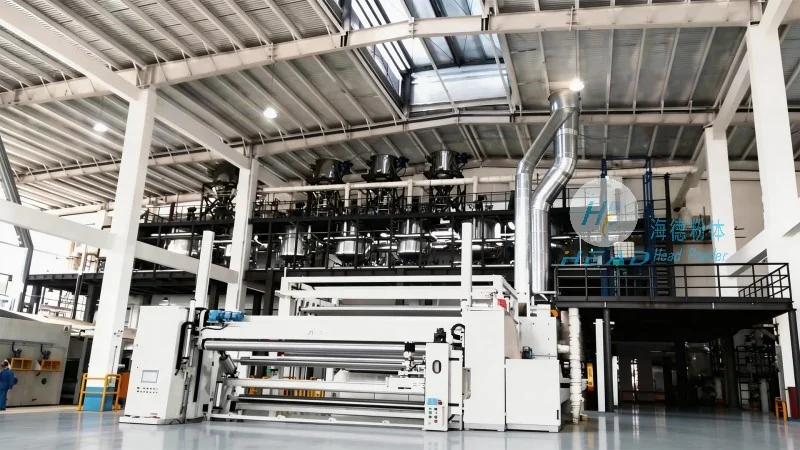
Calcined lime, also known as quicklime, is a versatile material widely used in industries like construction, chemical processing, and environmental treatment. The efficient transportation of this material from storage to processing units is essential for maintaining production efficiency. Pneumatic conveying systems provide a dust-free, continuous, and energy-efficient method for moving calcined lime, reducing the need for manual handling and associated safety risks.
Key Components of Pneumatic Conveying Systems
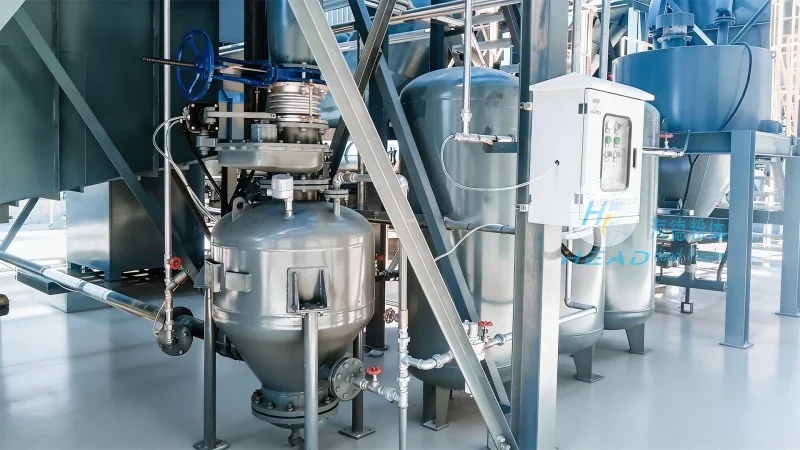
HeadPowder, a leading manufacturer based in Shandong, China, specializes in designing and manufacturing comprehensive pneumatic conveying solutions. The core components of a calcined lime pneumatic conveying system typically include the following:
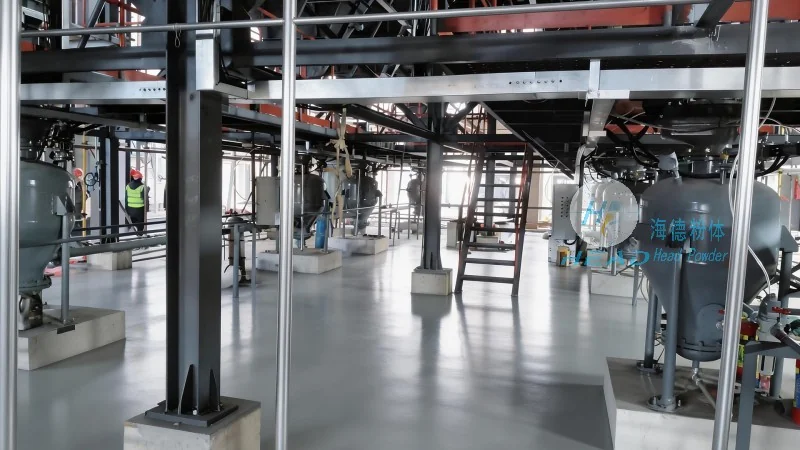
- Feeder: The feeder is responsible for accurately dosing and feeding calcined lime into the conveying line. It ensures a consistent flow rate, which is critical for maintaining system efficiency and preventing blockages.
- Pneumatic Conveying Pipe: The pipe network forms the main transport channel for the material. It is constructed from materials resistant to corrosion and abrasion, such as stainless steel or special alloys, to withstand the chemical and physical properties of calcined lime.
- Air Supply Unit: This unit generates the necessary air pressure or suction to move the material through the pipes. It may include compressors, blowers, or vacuum pumps, depending on the system design and required conveying distance.
- Control System: The control system monitors and regulates the operation of the conveying process. It ensures that the system operates within safe parameters, adjusts air pressure as needed, and alerts operators to any potential issues.
- Receiving Hopper: The receiving hopper collects the calcined lime at the destination point. It is designed to handle the material's characteristics, such as its density and flowability, and may include features like level sensors to indicate when the hopper is full.
Classification of Pneumatic Conveying Systems
Pneumatic conveying systems for calcined lime can be classified based on several factors, including the conveying method, system pressure, and application requirements. The primary classifications include:
- Positive Pressure Systems: These systems use compressed air to push the material through the pipes. They are suitable for short to medium conveying distances and are commonly used in applications where the material needs to be transported to a higher elevation.
- Negative Pressure (Vacuum) Systems: These systems use suction to draw the material into the pipes. They are ideal for applications requiring long-distance transport or where the material needs to be collected from multiple sources.
- Combined Systems: Some systems use a combination of positive and negative pressure to optimize conveying efficiency. This approach is particularly useful for complex layouts or when handling materials with varying properties.
System Design Considerations for Calcined Lime Handling
When designing a calcined lime pneumatic conveying system, several factors must be considered to ensure optimal performance and longevity. These include:
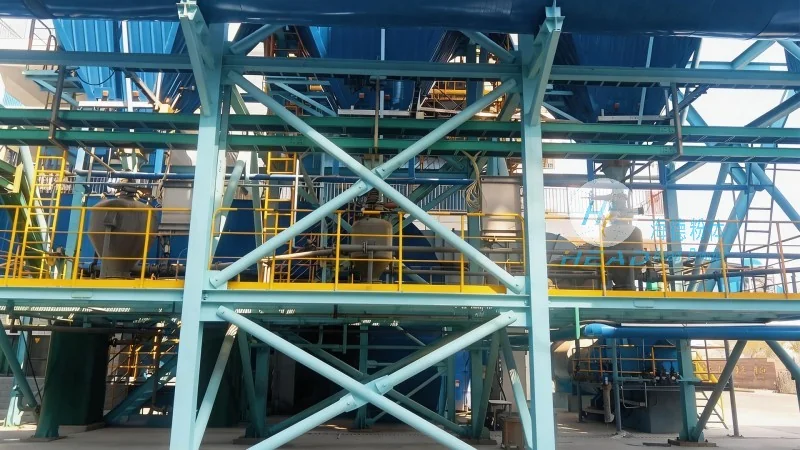
- Material Properties: Calcined lime is a highly reactive and abrasive material. The system components must be selected to withstand these properties, including corrosion from moisture and abrasion from the material's particles.
- Conveying Distance and Height: The system design must account for the required distance and elevation change. Longer distances or higher elevations may require more powerful air supply units or additional booster stations.
- Flow Rate and Capacity: The system must be sized to handle the desired flow rate and material capacity. This involves calculating the required air volume and pressure to achieve the desired material throughput.
- Environmental and Safety Factors: Pneumatic conveying systems should be designed to minimize dust emissions and ensure operator safety. Features like dust collection systems and explosion-proof components may be incorporated to meet regulatory requirements.
Conclusion
HeadPowder Engineering Co., Ltd., with its headquarters in Shandong, China, provides comprehensive solutions for calcined lime pneumatic conveying systems. By understanding the classification and composition of these systems, industries can select the most appropriate equipment to enhance operational efficiency, reduce costs, and improve safety. The company's expertise in designing and manufacturing tailored pneumatic conveying systems ensures that clients receive reliable and efficient solutions for their calcined lime handling needs.