

Classification and Composition of Granular Urea Pneumatic Conveying Systems
Granular urea, a critical fertilizer and industrial chemical, requires efficient and reliable transportation methods to ensure optimal distribution. Pneumatic conveying systems have emerged as a preferred solution for handling urea granules due to their ability to transport materials in a closed system, minimizing dust and contamination. This article explores the classification and essential components of granular urea pneumatic conveying systems, highlighting the technical aspects and practical applications that make them indispensable in modern industrial operations.
Classification of Granular Urea Pneumatic Conveying Systems
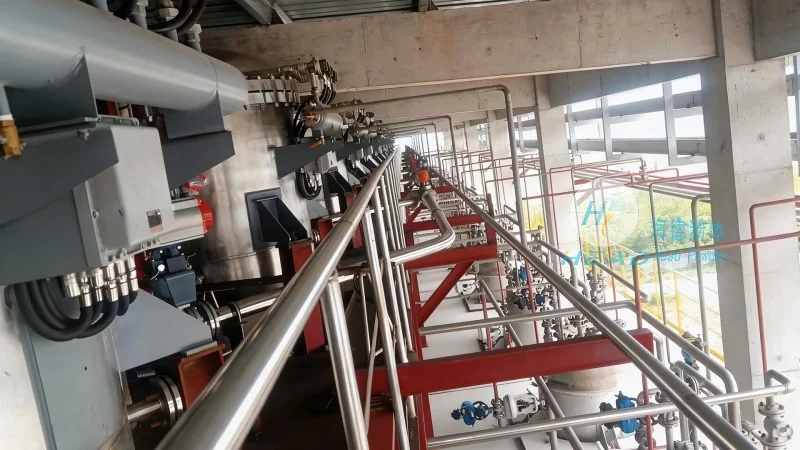
Granular urea pneumatic conveying systems can be classified based on several key factors, including the type of air flow, the method of material transport, and the system pressure. The primary classifications include positive pressure systems, negative pressure (or vacuum) systems, and hybrid systems. Positive pressure systems use a blower or compressor to force air and urea granules through the pipeline, while negative pressure systems employ a vacuum to draw material into the system. Hybrid systems combine elements of both, offering flexibility in handling different material characteristics and system requirements. Each classification has distinct advantages and is selected based on factors such as material properties, distance, and operational constraints.
Key Components of Granular Urea Pneumatic Conveying Systems
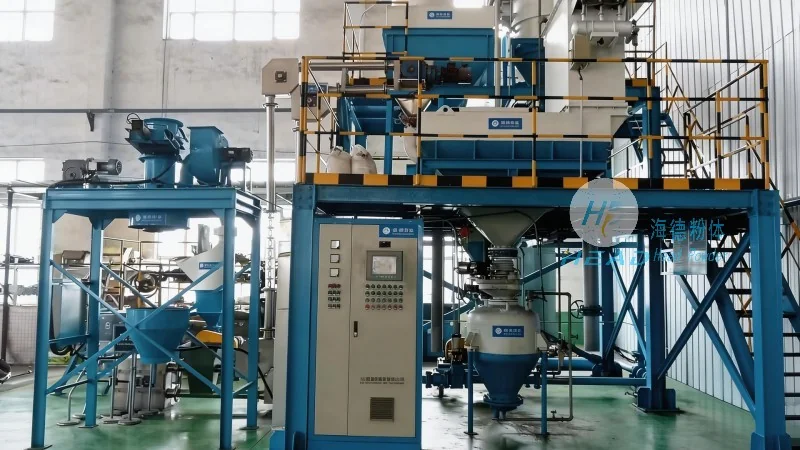
The effectiveness of a granular urea pneumatic conveying system relies on its integrated components, each designed to perform specific functions in the material handling process. The main components include the material feed system, air supply unit, conveying pipeline, separation and collection equipment, and control mechanisms. The material feed system, typically a hopper or bin, stores and feeds urea granules into the system at a controlled rate, preventing blockages and ensuring consistent flow. The air supply unit, which may consist of a blower, compressor, or vacuum pump, generates the necessary air pressure or vacuum to move the material through the pipeline. The conveying pipeline, often made of stainless steel or other corrosion-resistant materials, transports the urea granules and air mixture. Separation and collection equipment, such as cyclones or filters, separate the urea granules from the air stream, allowing for safe and efficient material discharge. Control mechanisms, including sensors and valves, monitor and regulate the system's operation, ensuring optimal performance and safety.
HeadPowder's Expertise in Granular Urea Pneumatic Conveying Systems
Shandong HeadPowder Engineering Co., Ltd., commonly known as HeadPowder, is a leading manufacturer specializing in the design, development, and implementation of granular urea pneumatic conveying systems. HeadPowder is headquartered in Shandong, China, and has established a strong presence in the global market with its innovative solutions and customer-centric approach. With years of experience in the industry, HeadPowder's team of engineers and technicians leverages advanced technology and rigorous testing to ensure that each system meets the highest standards of performance, durability, and safety. The company's commitment to quality and customer satisfaction has made it a preferred choice for clients across various industries, including agriculture, chemical manufacturing, and logistics.
Application Scenarios and Benefits of Granular Urea Pneumatic Conveying Systems
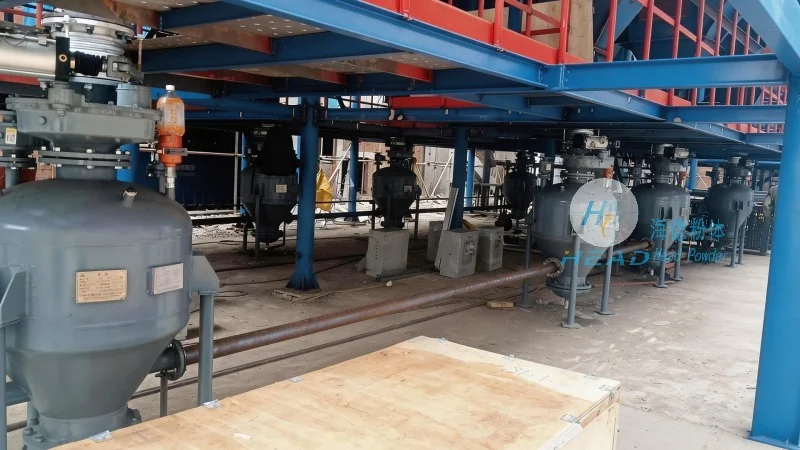
Granular urea pneumatic conveying systems are widely used in various applications, from small-scale fertilizer storage and distribution to large-scale industrial production lines. In agricultural settings, these systems facilitate the efficient transport of urea granules from storage facilities to application equipment, reducing labor costs and improving operational efficiency. In chemical manufacturing, they enable the seamless transfer of urea granules between processing units, ensuring consistent product quality and minimizing downtime. The benefits of using pneumatic conveying systems for urea granules include reduced dust exposure, improved safety for operators, lower maintenance costs compared to traditional methods, and the ability to handle materials over long distances without the need for intermediate storage. Additionally, these systems are adaptable to different operational conditions, making them suitable for both indoor and outdoor applications.