

Comparison of Common Gypsum Powder Conveying Methods: Advantages and Disadvantages
For industrial applications involving gypsum powder, selecting the right conveying method is crucial for efficiency, cost-effectiveness, and operational safety. This article provides a detailed comparison of common gypsum powder conveying methods, highlighting their advantages and disadvantages, to help businesses make informed decisions. The information is presented by Shandong HeadPowder Engineering Co., Ltd., a leading manufacturer specializing in powder handling solutions.
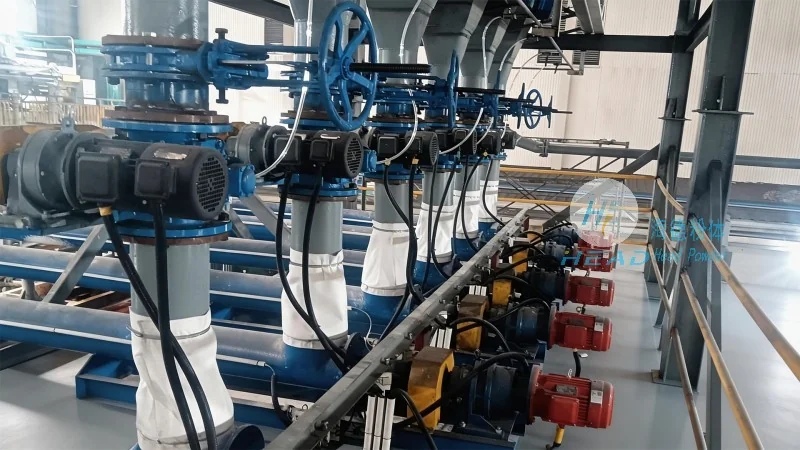
Pneumatic Conveying Systems
Pneumatic conveying is a widely used method for transporting gypsum powder due to its ability to handle fine powders and provide a closed system, reducing dust emissions. This method utilizes air pressure to move material through a pipeline. One of the key advantages of pneumatic conveying is its flexibility in handling different powder types, including gypsum, without the need for mechanical contact. It also offers a high degree of automation, which can enhance operational efficiency. However, pneumatic conveying has some drawbacks. For instance, it requires significant energy input to generate the necessary air pressure, leading to higher operational costs. Additionally, the system can be prone to blockages if the powder is too fine or has high moisture content, which may affect the conveying capacity and reliability. The system also needs regular maintenance to ensure optimal performance, as components like air filters and pumps are subject to wear and tear.
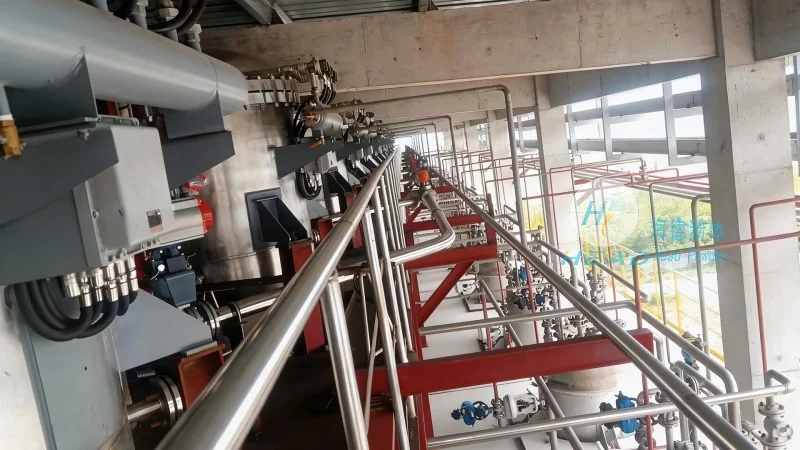
Screw Conveyors
Screw conveyors are another common option for gypsum powder transport, particularly in applications where the material needs to be moved vertically or at a moderate angle. These systems consist of a rotating screw inside a tube, which pushes the material forward. The main advantage of screw conveyors is their simplicity and low cost compared to pneumatic systems. They are relatively easy to install and maintain, making them suitable for small to medium-scale operations. Screw conveyors also provide a continuous and reliable flow of material, which is beneficial for consistent production processes. Nevertheless, there are limitations to consider. Screw conveyors are not ideal for handling very fine or abrasive powders, as the screw and tube can wear out quickly, leading to increased maintenance costs and potential downtime. Furthermore, they are less effective for long-distance transport, as the material may experience segregation or degradation if the conveying distance is too great. The system also generates more dust compared to pneumatic methods, which may require additional dust control measures.
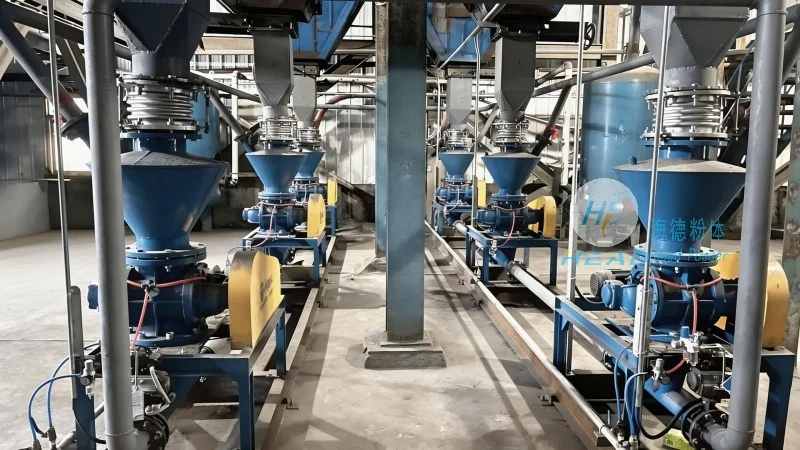
Belt Conveyors
Belt conveyors are commonly used in bulk material handling, including gypsum powder, due to their ability to transport large quantities over long distances. These systems use a continuous belt that moves material from one point to another. The primary advantage of belt conveyors is their high capacity and long-distance transport capability, making them suitable for large-scale industrial applications. They are also relatively low-maintenance and can handle a wide range of material sizes and types. However, belt conveyors have some disadvantages. For instance, they require a significant amount of space for installation, which may be a constraint in facilities with limited floor area. The system is also susceptible to material spillage and belt damage, especially when handling abrasive or heavy gypsum powder. Additionally, belt conveyors may not be as efficient for fine powders, as the material can slip or fall off the belt, leading to losses and potential safety hazards. The system also needs regular inspection to ensure the belt is in good condition and the pulleys are properly aligned.
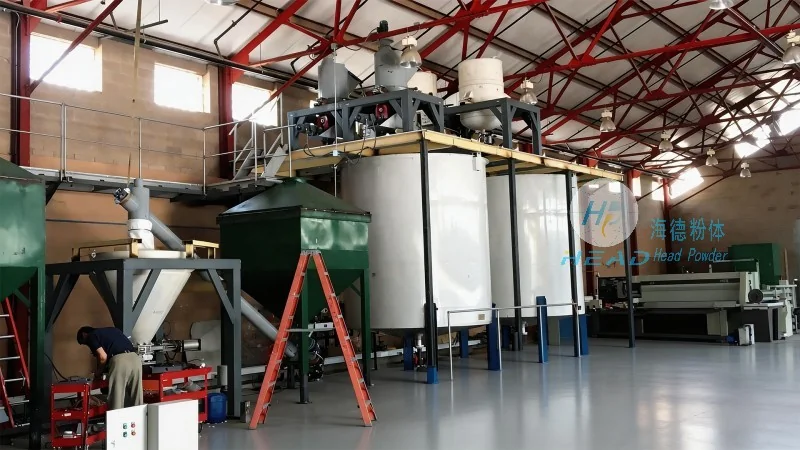
Comparison and Selection Guidance
When choosing a conveying method for gypsum powder, it is essential to consider several factors, including the powder's properties, the required conveying distance, and the operational budget. Pneumatic conveying is often preferred for fine powders and applications requiring a closed system, while screw conveyors are suitable for moderate distances and less abrasive materials. Belt conveyors are ideal for large-scale, long-distance transport but may not be as effective for fine powders. Shandong HeadPowder Engineering Co., Ltd. offers customized powder handling solutions tailored to specific industrial needs, ensuring that clients select the most appropriate conveying method for their operations. By understanding the advantages and disadvantages of each method, businesses can optimize their production processes, reduce costs, and enhance overall efficiency.