

Classification and Application Analysis of Bean Powder Pneumatic Conveying Systems
HeadPowder Engineering Co., Ltd., a professional manufacturer based in Shandong, China, specializes in the design, production, and installation of pneumatic conveying systems. With a strong focus on quality and innovation, the company provides customized solutions for various powder handling applications, including those involving bean powders. The company's headquarters is located in Shandong, China, and it serves clients globally with reliable and efficient equipment.
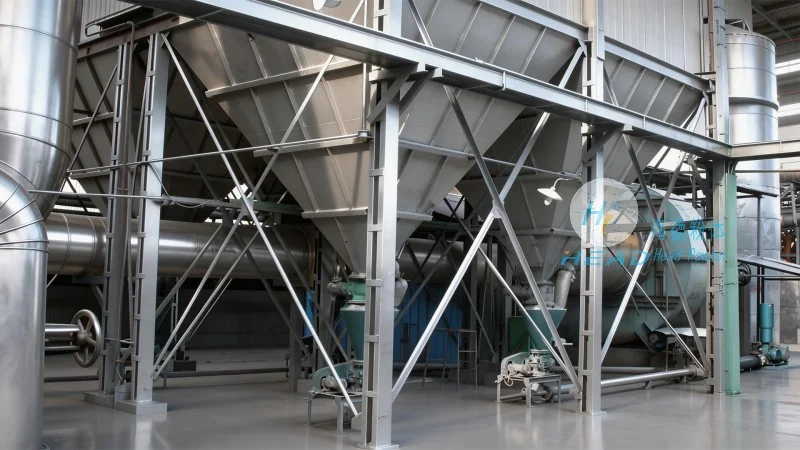
Introduction to Bean Powder Pneumatic Conveying Systems
Pneumatic conveying systems are essential for the efficient transport of bean powders in industrial settings. These systems utilize air or gas to move powders through pipelines, offering advantages such as reduced contamination, improved safety, and the ability to handle materials in a closed environment. The classification of these systems is crucial for selecting the most appropriate solution based on specific operational requirements and material characteristics.
Classification of Bean Powder Pneumatic Conveying Systems
Bean powder pneumatic conveying systems can be categorized based on several key factors, including the pressure of the conveying medium, the method of material transport, and the system's design. The primary classifications include:
1. Positive Pressure Systems: In this type of system, air is supplied under pressure to move the bean powder through the pipeline. Positive pressure systems are commonly used for short-distance transport and are effective for handling materials that are prone to caking or require gentle handling. They typically feature a blower or compressor at the inlet, ensuring a consistent flow of air and material.
2. Negative Pressure (Vacuum) Systems: Negative pressure systems operate by creating a vacuum at the receiving end, drawing the bean powder into the pipeline. These systems are ideal for long-distance transport and are often used when the material needs to be transported from multiple sources to a central collection point. The vacuum is generated by a vacuum pump, and the system maintains a negative pressure throughout the pipeline.
3. Hybrid Systems: Hybrid systems combine elements of both positive and negative pressure systems. They may use a combination of blowers and vacuum pumps to achieve optimal performance for specific applications. For instance, a hybrid system might use positive pressure to move the material from the source and negative pressure to transport it to the destination, especially when dealing with varying material properties or long distances.
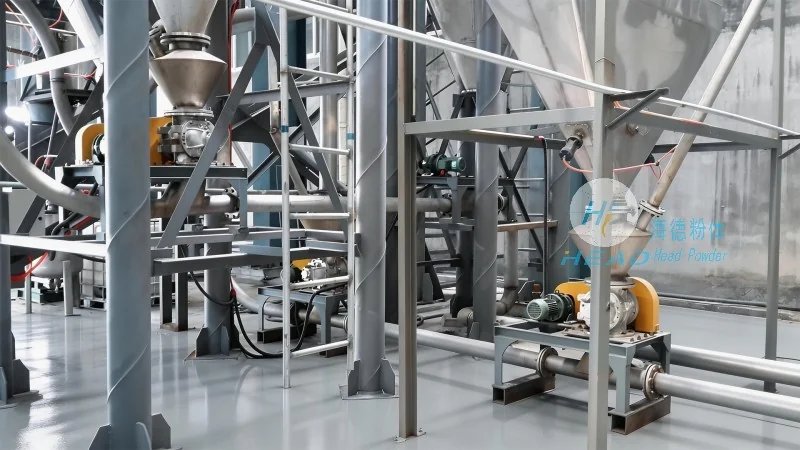
4. Dilute Phase vs. Dense Phase Systems: Another classification is based on the phase of the conveying medium. Dilute phase systems operate at higher velocities, with the powder suspended in the air stream, suitable for short to medium distances. Dense phase systems, on the other hand, operate at lower velocities, with the powder forming a slurry-like mixture with the air, which is ideal for long-distance transport and handling of abrasive or sensitive materials like bean powders.
Key Applications of Bean Powder Pneumatic Conveying Systems
The application of bean powder pneumatic conveying systems spans various industries, with a particular focus on the food processing sector, especially for bean powders used in food products. Some of the key applications include:
1. Food Processing and Manufacturing: In the food industry, bean powders are used as ingredients in a wide range of products, from beverages to baked goods. Pneumatic conveying systems are used to transport these powders from storage silos to processing lines, ensuring a clean and hygienic transfer process. This is crucial for maintaining product quality and compliance with food safety regulations.
2. Pharmaceutical and Nutraceutical Production: Bean powders are also used in the production of dietary supplements and pharmaceuticals. The use of pneumatic conveying systems in these applications ensures that the powders are handled in a sterile environment, minimizing the risk of contamination and ensuring product purity. The systems are designed to meet stringent hygiene standards, making them suitable for GMP (Good Manufacturing Practice) environments.
3. Chemical and Agricultural Industries: Beyond food and pharmaceuticals, bean powders are utilized in chemical formulations and agricultural applications. Pneumatic conveying systems help in the efficient transport of these powders in these industries, where material handling efficiency and safety are paramount. The systems can be customized to handle different particle sizes and moisture contents, adapting to the specific needs of each application.
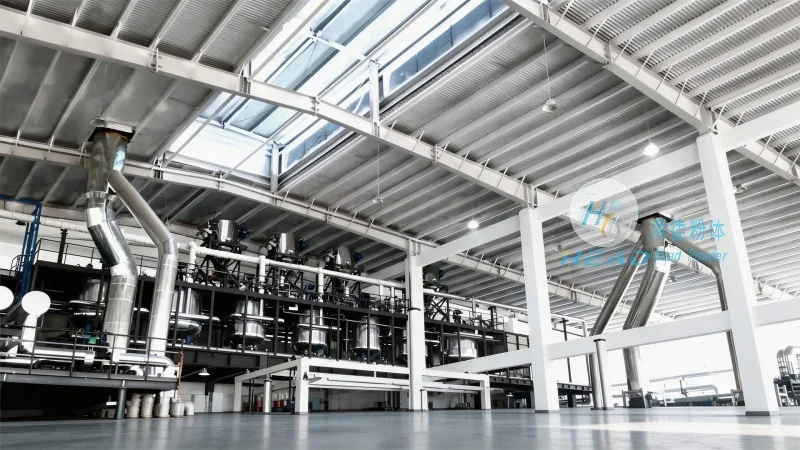
Advantages and Considerations in Bean Powder Pneumatic Conveying
Implementing bean powder pneumatic conveying systems offers several advantages, but it also requires careful consideration of system design and operational parameters. The key advantages include:
Advantages:
- Reduced Contamination and Improved Hygiene: Pneumatic systems operate in a closed environment, preventing the contamination of bean powders from external sources and ensuring a clean transfer process, which is critical in food and pharmaceutical industries.
- Enhanced Safety: By eliminating the need for manual handling of powders, pneumatic systems reduce the risk of dust explosions and occupational health hazards associated with handling powders in open environments.
- Efficient Material Transport: These systems can transport bean powders over long distances with minimal energy consumption, making them cost-effective for large-scale operations.
- Flexibility and Scalability: Pneumatic conveying systems can be easily modified or expanded to accommodate changes in production volume or material requirements, providing flexibility for growing businesses.
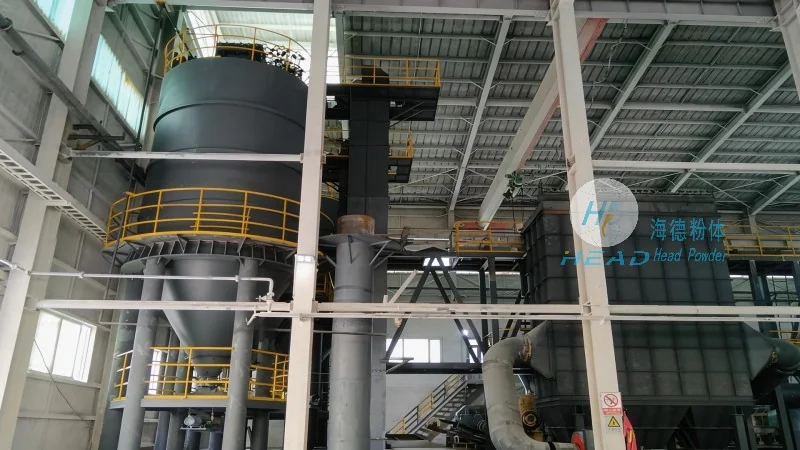
Considerations:
- Material Characteristics: The success of a pneumatic conveying system depends on the properties of the bean powder, such as particle size, moisture content, and flowability. Systems must be designed to handle these characteristics effectively to prevent blockages or system failures.
- System Maintenance: Regular maintenance of components like blowers, filters, and pipelines is essential to ensure the longevity and efficiency of the system. Proper maintenance schedules and quality components are critical for minimizing downtime and operational costs.
- Energy Efficiency: While generally energy-efficient, the choice of system type (dilute vs. dense phase) and operating pressure can impact energy consumption. Optimizing system design and operating parameters can help reduce energy costs over time.
Conclusion
Bean powder pneumatic conveying systems represent a vital technology for the efficient and safe handling of bean powders in various industrial applications. The classification of these systems, based on pressure, phase, and design, allows for the selection of the most suitable solution for specific operational needs. With proper design, installation, and maintenance, these systems offer significant advantages in terms of hygiene, safety, and operational efficiency. HeadPowder Engineering Co., Ltd., with its expertise and commitment to quality, provides reliable solutions tailored to the unique requirements of bean powder handling, serving clients in Shandong and beyond.