

What is Titanium Dioxide Pneumatic Conveying? Classification and Applications of Pneumatic Conveying
Understanding the principles and applications of pneumatic conveying systems is crucial for industries dealing with fine powders like titanium dioxide. This article explores the concept of titanium dioxide pneumatic conveying, outlines the different classifications of pneumatic conveying systems, and highlights their practical applications in various industrial settings.
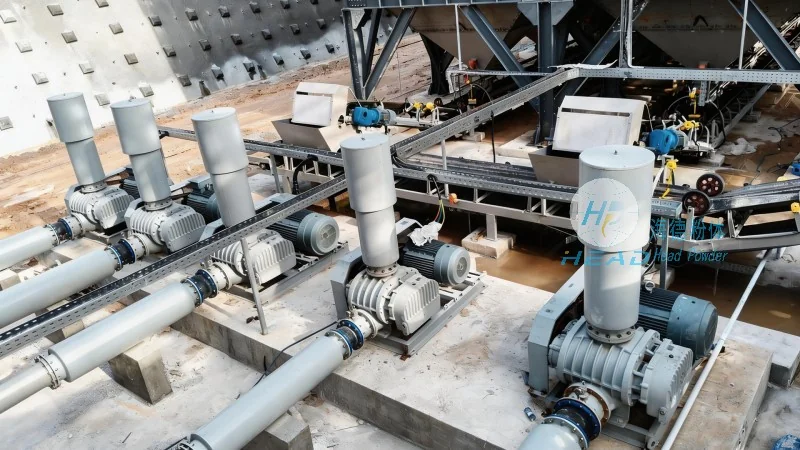
Introduction to Titanium Dioxide Pneumatic Conveying
Titanium dioxide (TiO₂) is a widely used white pigment and a key component in numerous industrial products, including paints, plastics, and cosmetics. Handling this fine powder efficiently is essential to maintain product quality and operational efficiency. Pneumatic conveying, a method of transporting bulk materials through a pipeline using air or other gases, offers a solution for moving titanium dioxide from storage to processing units or end-use applications. This technique minimizes dust exposure, reduces material loss, and enhances safety compared to traditional methods like bucket elevators or belt conveyors.
About HeadPowder: A Leading Provider of Pneumatic Conveying Solutions
HeadPowder, or Shandong HeadPowder Engineering Co., Ltd., is a professional manufacturer and supplier specializing in pneumatic conveying equipment and systems. With a base in Shandong, China, the company has established itself as a trusted partner for industries requiring reliable and efficient material handling solutions. HeadPowder's expertise lies in designing customized pneumatic conveying systems tailored to the specific needs of clients, ensuring optimal performance and durability for handling fine powders such as titanium dioxide.
Classification of Pneumatic Conveying Systems
Pneumatic conveying systems are categorized based on the pressure used to transport materials. The two primary types are pressure and vacuum systems. Pressure systems operate by forcing air or gas under pressure into the conveying line, pushing the material forward. These systems are suitable for long-distance and high-volume transport and are commonly used in industrial applications where materials need to be moved over significant distances. Vacuum systems, on the other hand, use a vacuum to draw material into the conveying line, making them ideal for short-distance or low-volume transport, often in applications where material is collected from multiple sources.
Within these main categories, pneumatic conveying can further be classified by the type of air flow and the method of material transport. Dilute-phase systems use high-velocity air to suspend particles, allowing for rapid and efficient transport over long distances. Dense-phase systems, in contrast, use lower air velocities and higher material concentrations, which are beneficial for transporting sensitive or abrasive materials like titanium dioxide, as they reduce particle degradation and equipment wear.
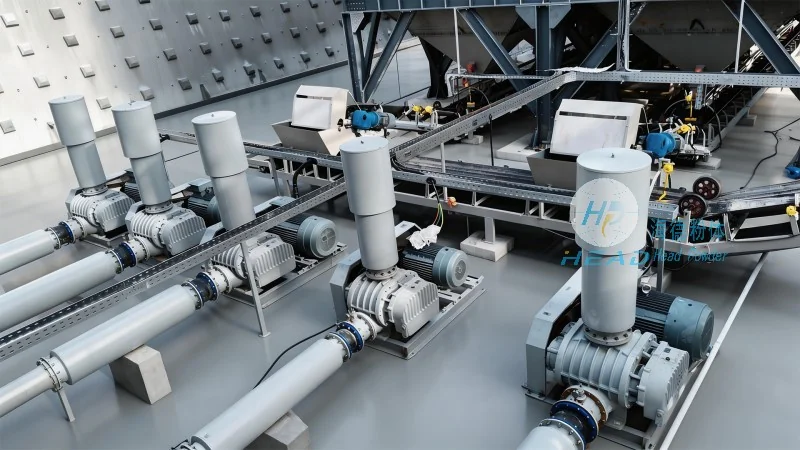
Applications of Pneumatic Conveying in Titanium Dioxide Handling
The application of pneumatic conveying in titanium dioxide handling spans various stages of the production and processing workflow. In the initial stages, titanium dioxide powders are often stored in silos or hoppers. Pneumatic conveying systems can be integrated with these storage units to transfer the material to processing equipment such as mills or mixers. This integration ensures a continuous and controlled flow of material, preventing bottlenecks and maintaining consistent production rates.
During the processing stage, pneumatic conveying is used to transport titanium dioxide from one processing unit to another, such as from a mill to a dryer or from a dryer to a packaging unit. This method allows for seamless material transfer without the need for manual handling or intermediate storage, which can lead to contamination or material loss. The ability to handle fine powders with minimal dust generation makes pneumatic conveying particularly advantageous in the production of high-purity titanium dioxide products.
In the final stages of production, pneumatic conveying systems are employed to transport titanium dioxide to packaging facilities or to end-use customers. This ensures that the material is delivered in a clean, controlled manner, maintaining its quality and meeting regulatory standards. The versatility of pneumatic conveying systems allows them to be adapted to different production scales, from small-scale laboratory applications to large-scale industrial operations.
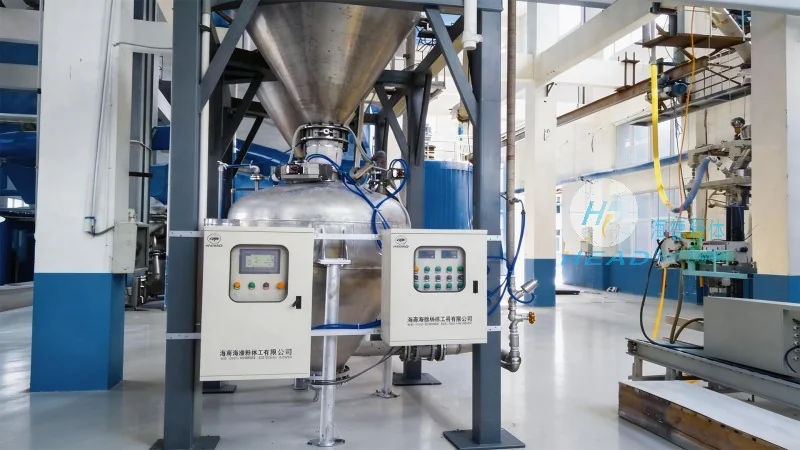
Advantages of Using Pneumatic Conveying for Titanium Dioxide
Implementing pneumatic conveying systems for titanium dioxide handling offers several key advantages. Firstly, it significantly reduces dust exposure, which is critical for maintaining a safe working environment and complying with occupational health and safety regulations. Unlike other methods that may generate large amounts of dust, pneumatic conveying keeps the material contained within the system, minimizing airborne particles and improving air quality in the workplace.
Secondly, pneumatic conveying reduces material loss and waste. Traditional handling methods often result in material spillage or degradation, leading to increased costs and environmental concerns. By using a closed system, pneumatic conveying minimizes these issues, ensuring that the material is transported efficiently and with minimal loss. This is particularly important for titanium dioxide, which is a valuable commodity and often used in high-purity applications where even small amounts of loss can impact product quality.
Thirdly, pneumatic conveying systems enhance operational efficiency and flexibility. These systems can be easily integrated with existing production lines and can be adjusted to handle varying material volumes and flow rates. The ability to transport materials over long distances without the need for multiple transfer points or equipment reduces downtime and improves overall productivity. Additionally, pneumatic conveying systems are less prone to mechanical failure compared to traditional conveyor systems, as they have fewer moving parts and are less susceptible to wear and tear from abrasive materials like titanium dioxide.
Conclusion
Titanium dioxide pneumatic conveying is a vital technology in the efficient and safe handling of this essential industrial material. By understanding the different classifications of pneumatic conveying systems and their applications, industries can optimize their material handling processes, improve product quality, and enhance operational efficiency. With companies like Shandong HeadPowder Engineering Co., Ltd. providing specialized solutions, the adoption of pneumatic conveying systems continues to grow, ensuring that titanium dioxide is transported safely and effectively in various industrial applications.