

What is Iron Oxide Powder Pneumatic Conveying? Classification and Applications of Pneumatic Conveyin
Pneumatic conveying is a widely used method for transporting bulk materials, including iron oxide powders, through a pipeline system using air or other gases. This technique offers several advantages over traditional mechanical conveying methods, such as reduced dust generation, improved safety, and the ability to handle materials in a closed system. In this article, we will explore the concept of iron oxide powder pneumatic conveying, its classification, and practical applications.
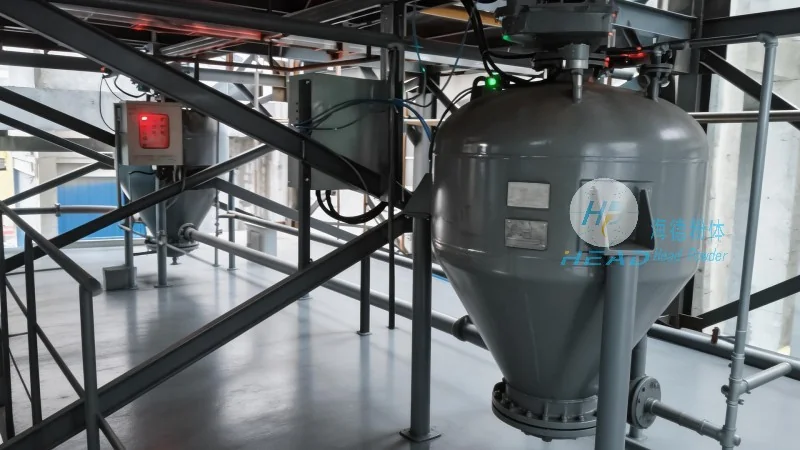
Understanding Pneumatic Conveying Systems
A pneumatic conveying system typically consists of a hopper, a conveyor line, and a receiver. The material is fed into the hopper, and a fan or blower creates a flow of air that carries the powder through the pipeline to the receiver. The design of the system, including the type of air flow (positive or negative pressure) and the configuration of the pipeline, significantly impacts the efficiency and performance of the conveying process.
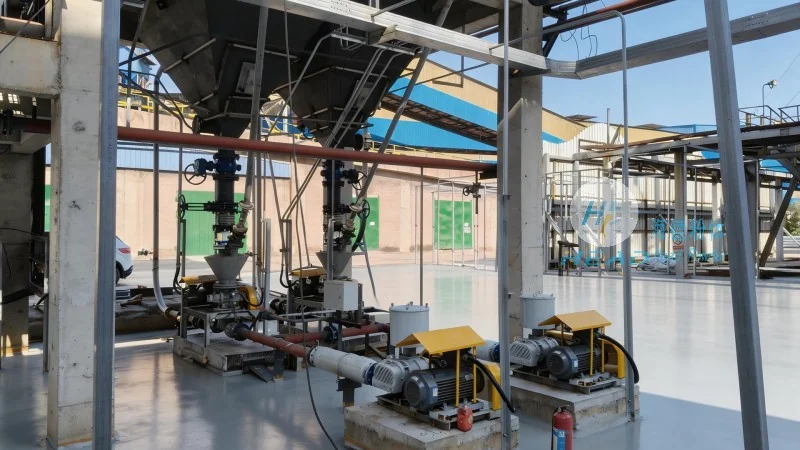
Classification of Pneumatic Conveying Methods
Pneumatic conveying can be classified into several categories based on the pressure and flow characteristics. The two main types are:
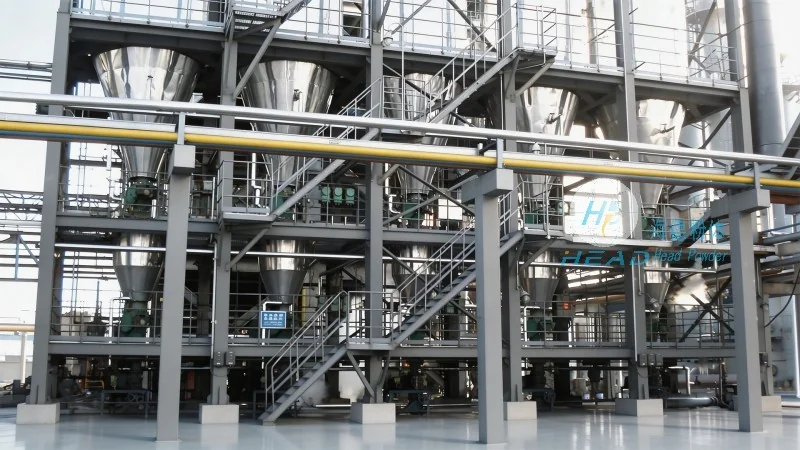
- Positive Pressure Conveying: In this method, air is blown into the system, creating a positive pressure that pushes the material forward. This is suitable for short distances and low to medium material loads.
- Negative Pressure (Vacuum) Conveying: Here, a vacuum is created at the receiver end, drawing the material through the pipeline. This method is ideal for longer distances and handling fine powders that may be prone to dusting.
Applications of Iron Oxide Powder Pneumatic Conveying
Iron oxide powders, commonly used in industries such as pigments, coatings, and ceramics, require efficient and safe transportation. Pneumatic conveying is particularly beneficial for these applications due to its ability to minimize contamination and environmental impact. Some common applications include:
- Pigment Production: In the production of iron oxide pigments, pneumatic conveying is used to transport raw materials and finished products between processing units.
- Coating and Paint Industries: Iron oxide powders are used as colorants in coatings and paints. Pneumatic systems ensure consistent color and quality by preventing material degradation during transport.
- Ceramic Manufacturing: In the production of ceramic products, iron oxide powders are used as raw materials. Pneumatic conveying helps maintain the purity and consistency of the powder, which is critical for the final product quality.
Advantages of Using Pneumatic Conveying for Iron Oxide Powders
Compared to other conveying methods, pneumatic conveying offers several benefits when handling iron oxide powders:
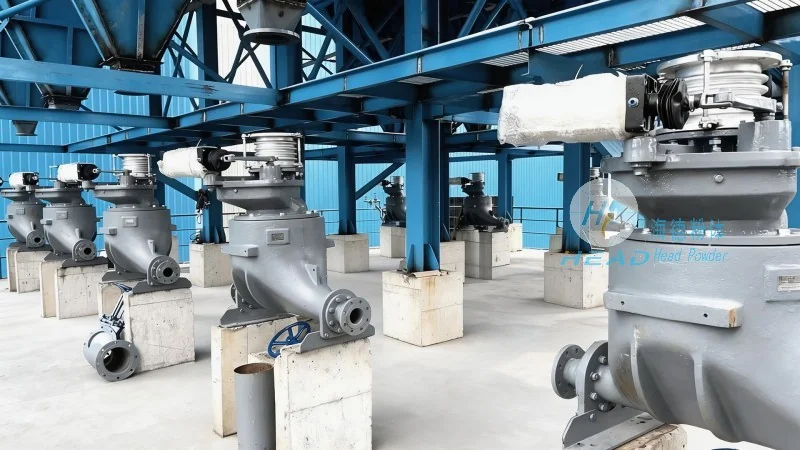
- Reduced Dust and Contamination: The closed system minimizes dust exposure, which is crucial for maintaining product quality and ensuring workplace safety.
- Improved Material Handling: Pneumatic systems can handle fine powders that are difficult to transport with mechanical methods, such as those prone to caking or agglomeration.
- Energy Efficiency: Modern pneumatic conveying systems are designed to be energy-efficient, reducing operational costs while maintaining high throughput.
- Flexibility in System Design: The system can be easily adapted to different plant layouts and production requirements, allowing for scalability and integration with existing processes.
Conclusion
Iron oxide powder pneumatic conveying is a reliable and efficient method for transporting bulk materials in various industrial applications. By understanding the different classification methods and their applications, industries can optimize their material handling processes to enhance productivity and product quality. Companies like Shandong HeadPowder Engineering Co., Ltd. specialize in providing tailored pneumatic conveying solutions that meet the specific needs of their clients, ensuring safe and effective transport of iron oxide powders.