

What is Metal Aluminum Powder Pneumatic Conveying, Classification and Applications of Pneumatic Conv
HeadPowder, a leading provider in the field, specializes in the technology and application of metal aluminum powder pneumatic conveying systems. This article aims to explain what metal aluminum powder pneumatic conveying is, its classification, and practical applications in industrial settings. By understanding the fundamentals of this process, industries can optimize material handling, enhance safety, and improve operational efficiency.
Understanding Metal Aluminum Powder Pneumatic Conveying
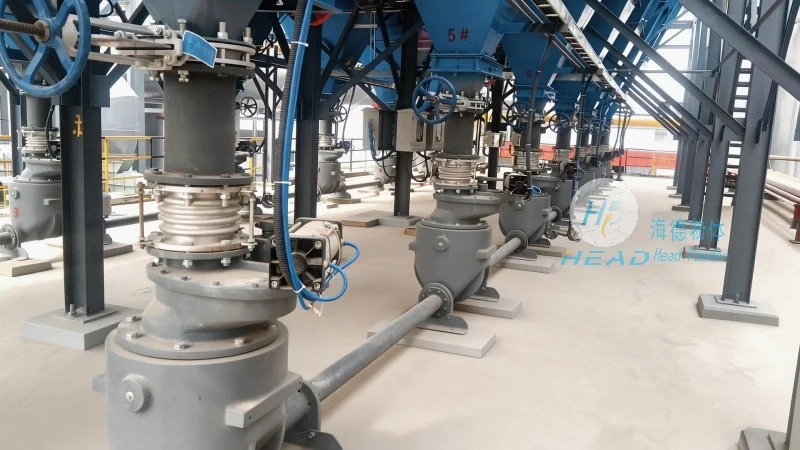
Metal aluminum powder pneumatic conveying involves the transport of aluminum powder particles through a pipeline using air or other gas as the conveying medium. This method is particularly effective for handling fine powders that are prone to dusting and require controlled movement without direct contact with mechanical components. The process typically includes a hopper, a feeder, a conveying line, and a receiver, with the air flow creating a negative pressure or positive pressure environment to move the powder. HeadPowder's expertise lies in designing systems that ensure minimal product degradation, consistent flow rates, and efficient energy use, which are critical for aluminum powder applications.
Classification of Pneumatic Conveying Systems
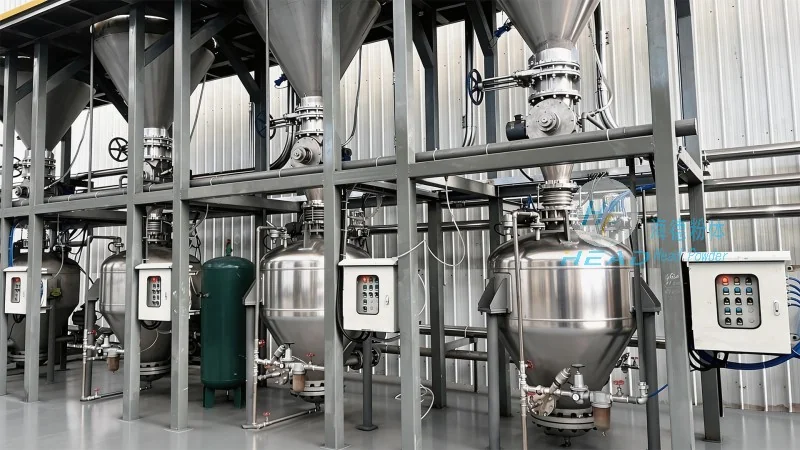
Pneumatic conveying systems are broadly classified into two main categories: dilute-phase and dense-phase systems. Dilute-phase systems operate at higher air velocities, typically moving particles in a dispersed state, making them suitable for short distances and low to medium particle loads. Dense-phase systems, on the other hand, use lower air velocities and higher particle concentrations, ensuring a more stable and controlled flow, ideal for longer distances and higher particle loads. HeadPowder offers both types of systems, allowing clients to choose based on their specific material characteristics, distance requirements, and operational constraints. For metal aluminum powder, the choice between dilute and dense-phase often depends on factors such as particle size, moisture content, and the need for minimal segregation or degradation.

Applications of Metal Aluminum Powder Pneumatic Conveying
The applications of metal aluminum powder pneumatic conveying span across various industries, including aerospace, automotive, and chemical manufacturing. In aerospace, aluminum powder is used in composite materials and coatings, where precise and dust-free handling is essential to maintain material integrity. The automotive industry utilizes aluminum powder in lightweighting components and surface treatments, requiring efficient transport to production lines. Chemical manufacturers rely on this technology for processing aluminum powders in reactors and mixing processes, ensuring uniform distribution and safety. HeadPowder's systems are tailored to meet the unique demands of each application, whether it's handling fine aluminum powders for high-performance coatings or bulk transport for industrial-scale production. The ability to control air flow and particle concentration allows for consistent quality and reduced waste, which are key advantages in these sectors.
Key Considerations for Implementing Metal Aluminum Powder Pneumatic Conveying
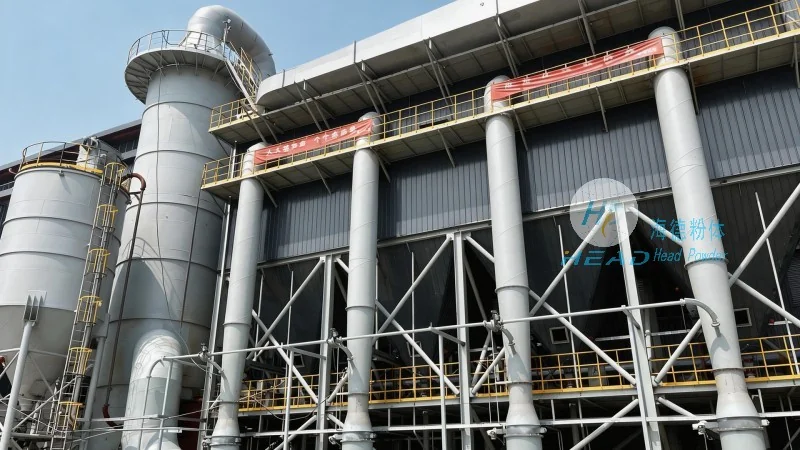
When implementing metal aluminum powder pneumatic conveying systems, several factors must be considered to ensure optimal performance. First, the particle size and density of the aluminum powder are critical, as they affect the air velocity required for effective transport. Larger or denser particles may necessitate dense-phase systems to prevent blockages and ensure smooth flow. Second, the system's design must account for the potential for dust explosion hazards, as aluminum powders are flammable. HeadPowder incorporates explosion-proof features and dust collection systems to mitigate these risks, ensuring compliance with safety standards. Third, energy efficiency is a significant consideration, as pneumatic conveying can be energy-intensive. Advanced control systems and optimized air flow designs help reduce energy consumption while maintaining performance. Finally, the system's integration with existing production lines is essential, requiring careful planning to avoid disruptions and ensure seamless operation. HeadPowder's engineering team provides comprehensive support, from system design and installation to maintenance and troubleshooting, ensuring that clients achieve their operational goals with minimal downtime.