

What is Calcined Gypsum Pneumatic Conveying, Classification and Applications of Pneumatic Conveying
Calcined gypsum, also known as plaster of Paris, is a widely used material in construction and industrial processes. Pneumatic conveying is a method used to transport bulk materials like calcined gypsum through a pipeline using air or gas. This article explores the concept of calcined gypsum pneumatic conveying, the different classifications of pneumatic conveying systems, and their practical applications.
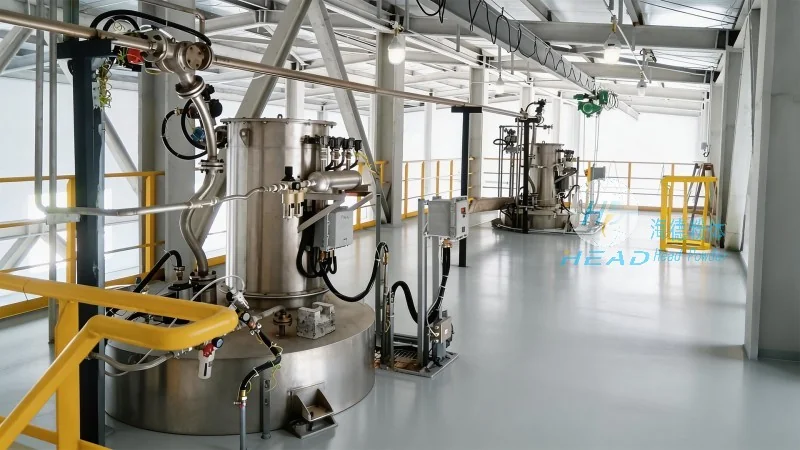
Understanding Pneumatic Conveying Systems
Pneumatic conveying systems are designed to move bulk materials from one location to another by utilizing the force of air or gas. These systems are essential in industries where traditional methods like belt conveyors or bucket elevators may not be suitable. The primary components of a pneumatic conveying system include a material hopper, a conveyor line, a fan or blower, and a discharge point. The process involves feeding the calcined gypsum into the hopper, where it is then drawn into the conveyor line by the air flow generated by the fan. The air carries the material through the pipeline to the desired destination, where it is discharged and collected.
Types of Pneumatic Conveying Systems
There are several types of pneumatic conveying systems, each with its own advantages and applications. The main classifications are based on the pressure used to transport the material. The two primary categories are:
- Positive Pressure Conveying: In this system, air is blown into the conveyor line, creating a positive pressure that pushes the material forward. This method is suitable for short to medium distances and is commonly used for transporting calcined gypsum in construction sites or small-scale industrial applications.
- Negative Pressure (Vacuum) Conveying: This system uses a vacuum to draw the material into the conveyor line. The material is pulled by the negative pressure created by the fan, which is typically more efficient for longer distances and can handle larger quantities of material. Negative pressure systems are often used in large-scale industrial settings where calcined gypsum needs to be transported over significant distances.
Another classification is based on the velocity of the air flow. High-velocity systems use air speeds above 20 m/s, which are effective for short distances and small particle sizes. Low-velocity systems operate at lower air speeds, typically 5-15 m/s, and are more suitable for longer distances and larger particle sizes. For calcined gypsum, which has a relatively fine particle size, low-velocity systems are often preferred to minimize material degradation and ensure efficient transport.
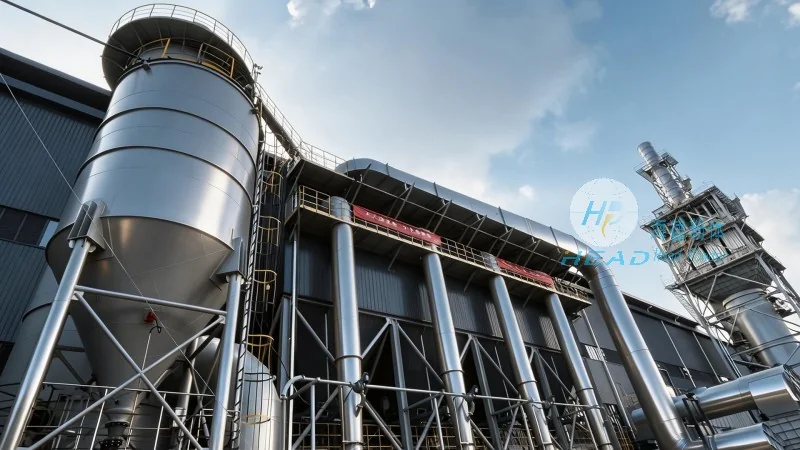
Applications of Calcined Gypsum Pneumatic Conveying
The use of pneumatic conveying for calcined gypsum offers several benefits, including improved material handling efficiency, reduced labor costs, and enhanced safety. In construction, calcined gypsum is commonly used as a raw material for gypsum board production. Pneumatic conveying systems can transport the calcined gypsum from storage silos to the production facilities, ensuring a continuous and reliable supply. This is particularly important in large-scale gypsum board manufacturing plants where consistent material flow is crucial for maintaining production rates.
In industrial applications, calcined gypsum is used in various processes such as cement production, where it serves as a set retarder. Pneumatic conveying allows for the precise control of the gypsum feed rate, which is essential for maintaining the desired cement properties. Additionally, in the pharmaceutical and food industries, calcined gypsum is used as a filler or binder. Pneumatic conveying systems ensure that the material is transported hygienically and without contamination, meeting the strict quality standards required in these sectors.
Another application is in the agricultural sector, where calcined gypsum is used to improve soil quality. Pneumatic conveyors can transport the material from storage to application sites, such as farms or orchards, ensuring uniform distribution. This method is more efficient than manual application and reduces the risk of over-application, which can be harmful to crops and the environment.
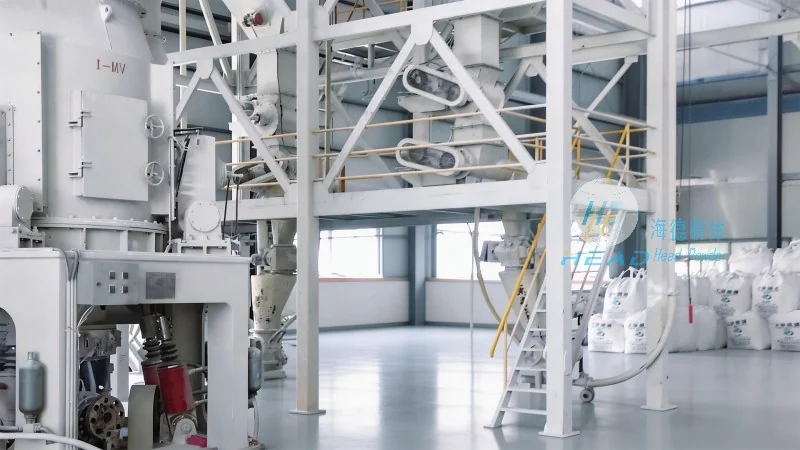
Advantages of Using Pneumatic Conveying for Calcined Gypsum
There are several advantages to using pneumatic conveying systems for calcined gypsum. First, it provides a dust-free and clean transport method, which is essential for maintaining a safe working environment. Unlike traditional methods that may generate dust and require additional dust control measures, pneumatic conveying systems contain the material within the pipeline, reducing the risk of inhalation and other health hazards. Second, it offers high efficiency and reliability. The continuous flow of material ensures that production processes are not interrupted, and the system can be easily controlled to adjust the feed rate as needed. Third, it is versatile and can be adapted to various applications and distances. Whether it's short or long distances, high or low velocities, pneumatic conveying systems can be customized to meet the specific requirements of calcined gypsum transport.
Furthermore, pneumatic conveying systems are relatively low maintenance compared to other material handling equipment. The absence of moving parts in the pipeline reduces the risk of wear and tear, and the system can be easily cleaned and maintained. This results in lower operational costs and longer service life. Additionally, the system is compact and can be installed in limited spaces, making it suitable for both new and existing facilities.
Conclusion
Calcined gypsum pneumatic conveying is an effective and efficient method for transporting bulk materials in various industries. The different classifications of pneumatic conveying systems, including positive and negative pressure systems, as well as high and low velocity systems, provide flexibility in meeting the specific needs of calcined gypsum transport. The applications of this technology range from construction and manufacturing to agriculture and pharmaceuticals, highlighting its versatility and importance in modern industrial processes. As a leading provider in the field, Shandong HeadPowder Engineering Co., Ltd. specializes in designing and manufacturing pneumatic conveying systems tailored to the unique requirements of calcined gypsum, ensuring reliable and efficient material handling solutions for its clients.