

What is Monosodium Glutamate Pneumatic Conveying? Classification and Applications of Pneumatic Conve
Monosodium glutamate (MSG), a widely used flavor enhancer in the food industry, often requires efficient and reliable material handling solutions for its transportation. Pneumatic conveying is a key technology in this regard, offering a versatile method to move MSG from one point to another within industrial facilities. This article explores the concept of monosodium glutamate pneumatic conveying, delves into the classification of pneumatic conveying systems, and highlights their practical applications, with a focus on the expertise of Shandong HeadPowder Engineering Co., Ltd. (referred to as HeadPowder).
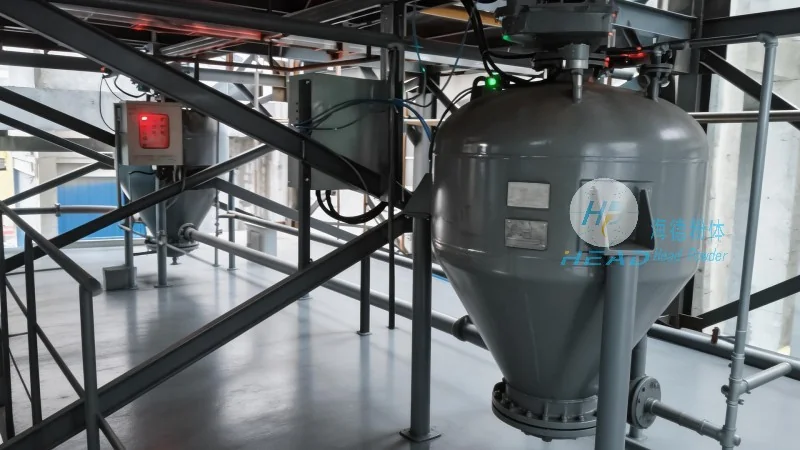
Understanding Monosodium Glutamate Pneumatic Conveying
Pneumatic conveying, also known as air conveying, is a process that uses compressed air or vacuum to transport bulk materials like monosodium glutamate through a pipeline. The system typically consists of a material feed hopper, a conveying line, and a discharge device. By creating a pressure differential, the system can either push (positive pressure) or pull (negative pressure) the material along the pipeline. For monosodium glutamate, which is often in powder form, pneumatic conveying provides a hygienic, dust-free, and efficient method compared to traditional mechanical conveying systems. This is particularly important in food processing environments where maintaining product quality and safety is paramount.
Classification of Pneumatic Conveying Systems
Pneumatic conveying systems are broadly classified based on several factors, including the pressure used, the type of material flow, and the system design. The primary classifications are:
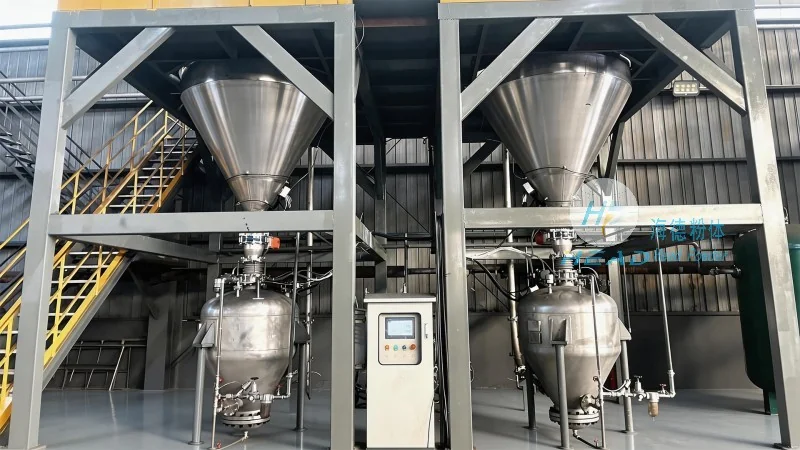
- Positive Pressure Systems: These systems use compressed air to push the material through the pipeline. They are suitable for short to medium distances and can handle a wide range of materials, including fine powders like monosodium glutamate. Positive pressure systems are often preferred for their simplicity and ability to handle multiple discharge points.
- Negative Pressure (Vacuum) Systems: In these systems, a vacuum is created to pull the material into the pipeline. They are ideal for applications requiring dust collection or when the material needs to be conveyed from multiple sources to a single point. Negative pressure systems are commonly used in environments where dust control is critical.
- Solid-Bed (Dilute Phase) Systems: This type of system operates with a low concentration of material in the air stream, typically at a velocity above the material's terminal velocity. It is efficient for long-distance conveying and is suitable for monosodium glutamate when the pipeline length is significant.
- Solid-Bed (Dense Phase) Systems: Dense phase systems transport material in a higher concentration, often at a lower velocity. This method is beneficial for handling sensitive materials like monosodium glutamate, as it reduces particle impact and friction, minimizing product degradation.
Each classification has its advantages and is chosen based on factors such as the distance to be covered, the volume of material to be conveyed, the required system pressure, and the specific characteristics of the monosodium glutamate being handled. HeadPowder specializes in designing and implementing these systems tailored to the unique needs of food processing industries.
Applications of Monosodium Glutamate Pneumatic Conveying
Monosodium glutamate pneumatic conveying finds extensive applications in various stages of the food production process. Some key applications include:
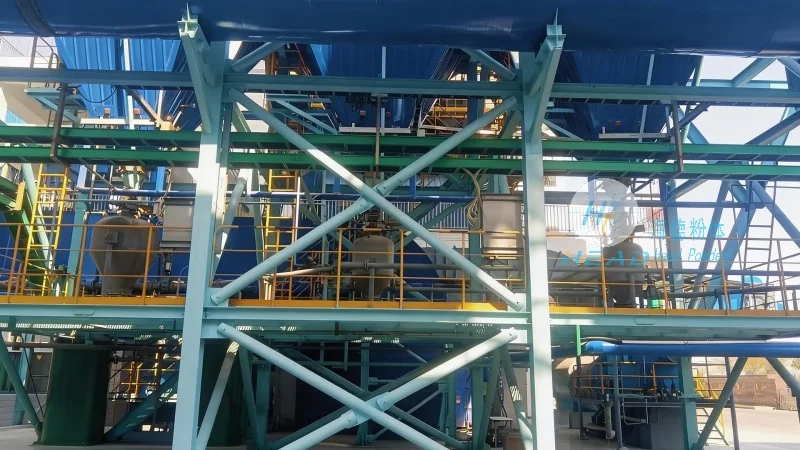
- Raw Material Handling: In the initial stages of production, monosodium glutamate raw materials are often received in bulk and need to be transported from storage silos to processing units. Pneumatic conveying systems efficiently move these powders, ensuring minimal loss and contamination.
- Processing Line Integration: During the manufacturing process, different components of the MSG production line may require material transfer between processing equipment, such as mixers, reactors, and packaging machines. Pneumatic conveying provides a seamless integration, allowing for continuous and automated material flow.
- Packaging and Distribution: After processing, the final MSG product needs to be transported to packaging lines or storage areas. Pneumatic conveying systems can efficiently move the finished product, ensuring that the packaging process is smooth and that the product remains in optimal condition.
- Waste Management: In some cases, pneumatic conveying is used for handling waste materials or byproducts from the MSG production process. This helps in maintaining a clean and organized production environment while adhering to environmental regulations.
By leveraging the appropriate pneumatic conveying system, food manufacturers can enhance operational efficiency, reduce labor costs, and maintain the quality and safety of monosodium glutamate throughout the supply chain.
About Shandong HeadPowder Engineering Co., Ltd.
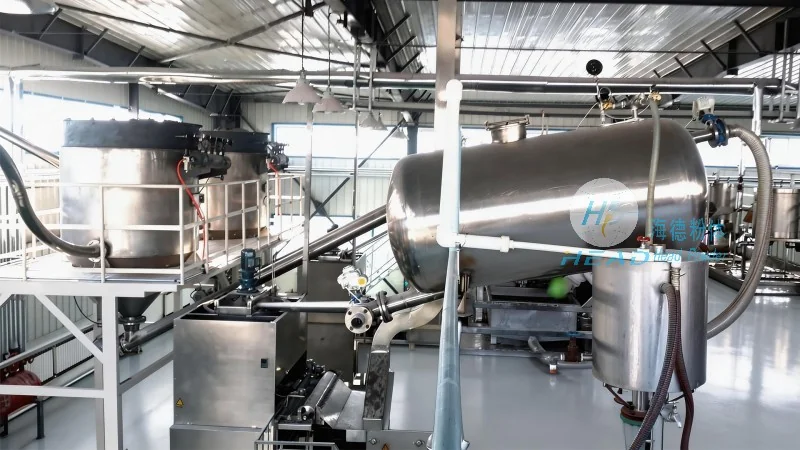
Shandong HeadPowder Engineering Co., Ltd., operating under the brand name HeadPowder, is a leading provider of engineering solutions for the food and chemical industries. With a focus on innovation and customer-centric design, HeadPowder specializes in the development and implementation of pneumatic conveying systems for monosodium glutamate and other bulk materials. The company's team of experienced engineers and technicians works closely with clients to understand their specific requirements and design customized solutions that meet industry standards and regulatory requirements. HeadPowder's commitment to quality, reliability, and sustainability has made it a trusted partner for businesses seeking efficient material handling solutions in the food processing sector.
Conclusion
Monosodium glutamate pneumatic conveying is a critical technology in the food industry, offering a hygienic, efficient, and flexible method for material handling. The classification of pneumatic conveying systems allows for tailored solutions based on specific operational needs, ensuring optimal performance and product quality. As a leader in the field, Shandong HeadPowder Engineering Co., Ltd. provides expert design, installation, and maintenance services to help food manufacturers streamline their operations and meet the demands of the modern market. By investing in advanced pneumatic conveying systems, companies can enhance productivity, reduce costs, and maintain the highest standards of product safety and quality.